احجز موعدك
رعاية السكتة الدماغية في دبي: خبراء الوقاية وإدارة ما بعد السكتة
تقييم شامل لمخاطر السكتة الدماغية ودعم التعافي
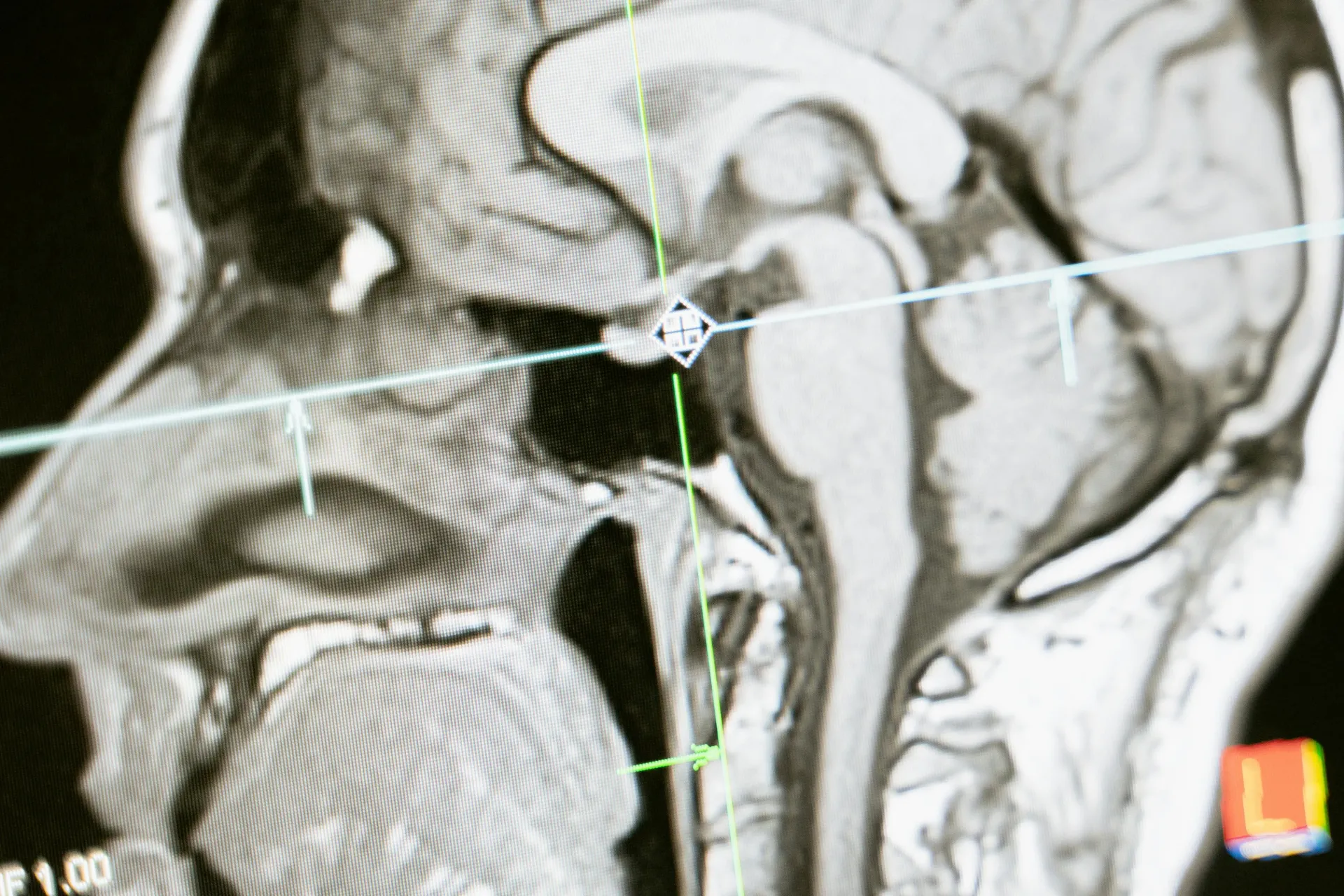
تقييم الخطر المتقدم
تقييم شامل لعوامل خطر السكتة الدماغية
رعاية متخصصة للوقاية من السكتة الدماغية والعناية اللاحقة في مدينة دبي الطبية. تقييم المخاطر والوقاية الثانوية وتنسيق إعادة التأهيل. احجز الآن.
تقييم الخطر المتقدم
تقييم شامل لعوامل خطر السكتة الدماغية
رعاية السكتة الدماغية في دبي: خبراء الوقاية وإدارة ما بعد السكتة
تقييم شامل لمخاطر السكتة الدماغية ودعم التعافي
رعاية متخصصة للوقاية من السكتة الدماغية والعناية اللاحقة في مدينة دبي الطبية. تقييم المخاطر والوقاية الثانوية وتنسيق إعادة التأهيل. احجز الآن.
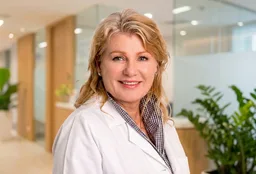
Dr. Heike Jacobs
استكشف خدماتنا
خدمات رعاية السكتة الدماغية الشاملة في مركز DCDC بمدينة دبي الطبية.
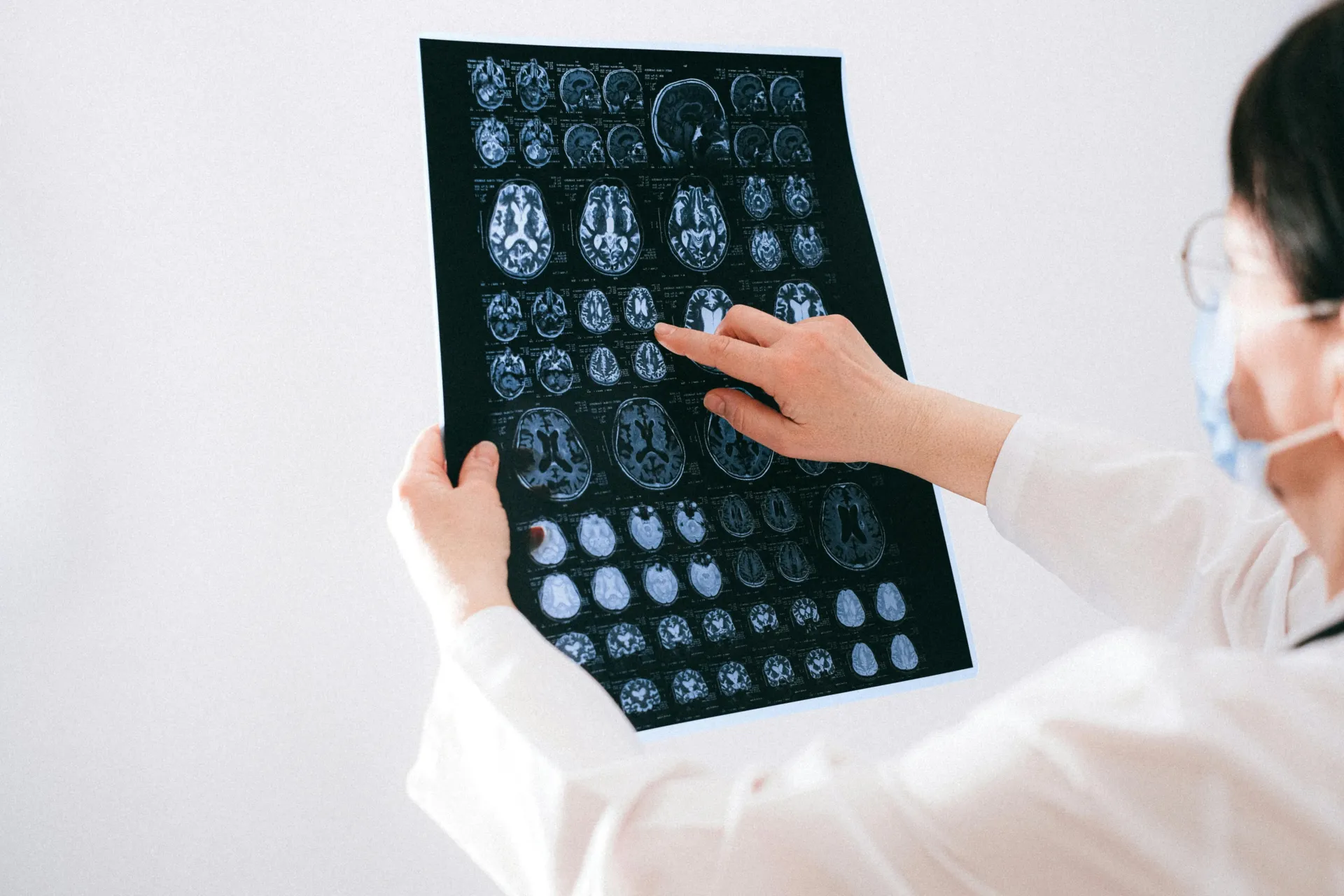
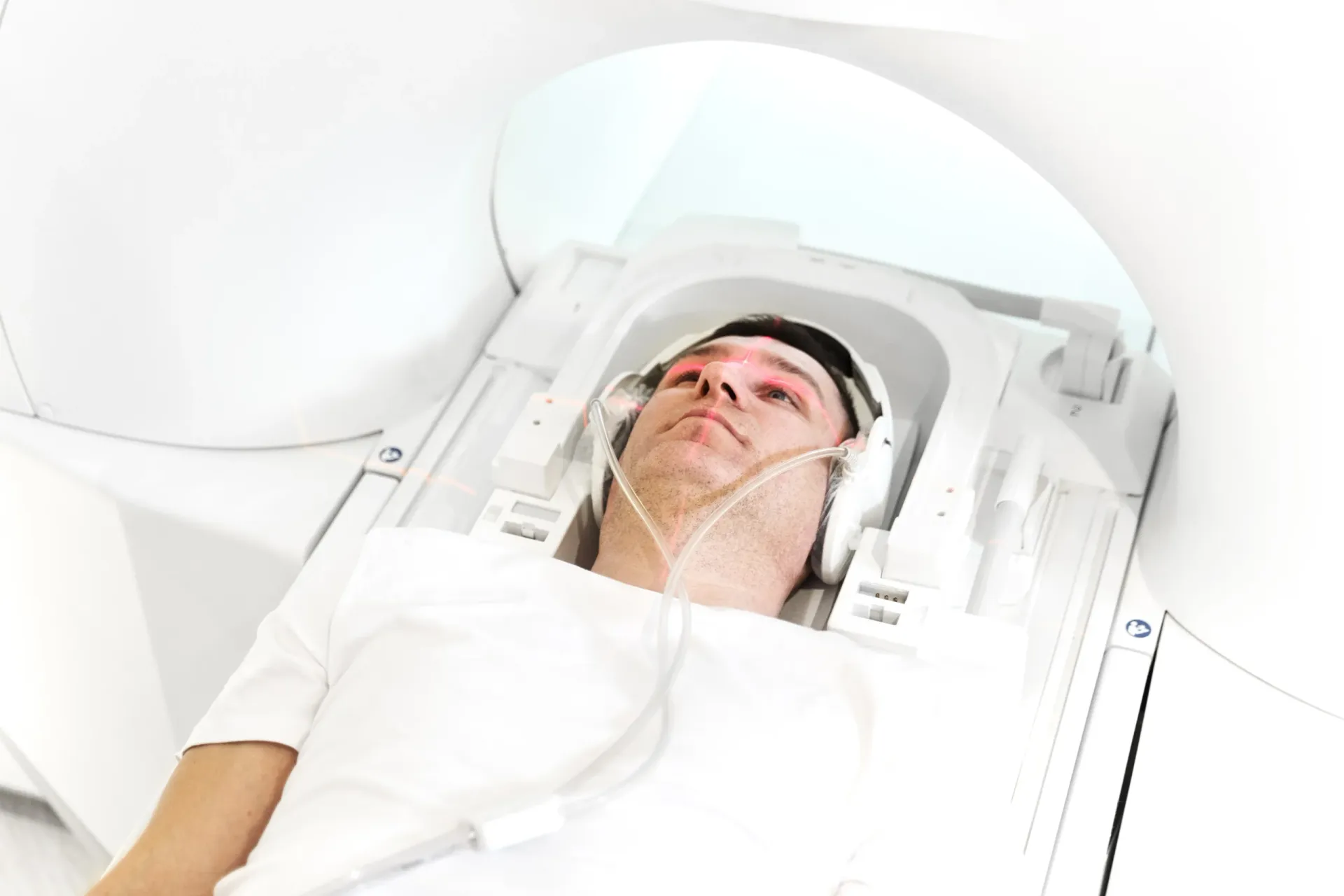
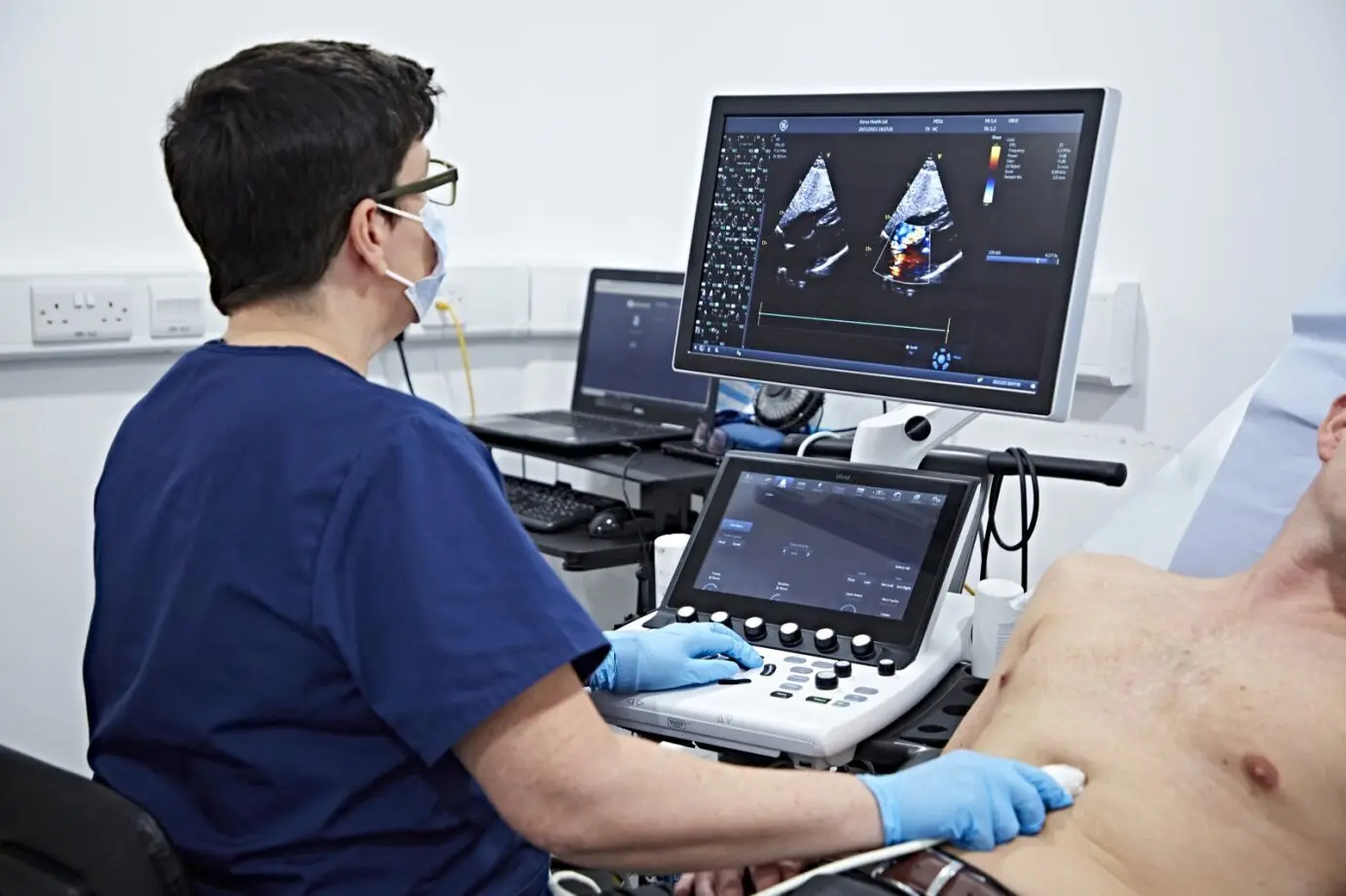
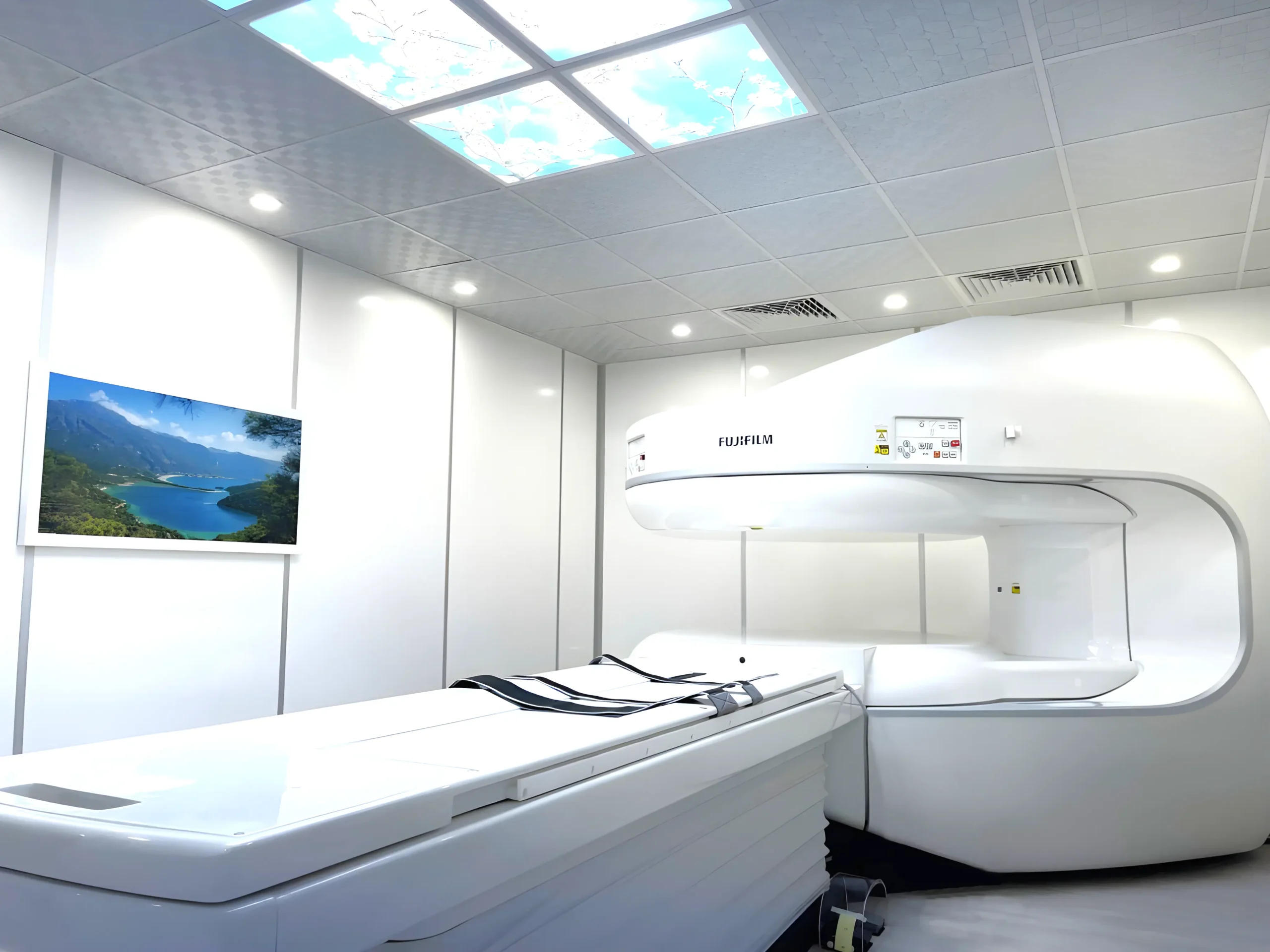
جميع الخدمات تقدم بواسطة متخصصين مرخصين من هيئة الصحة
من يحتاج لرعاية السكتة الدماغية
يُنصح بالرعاية المتخصصة للأفراد الذين يعانون من مخاطر السكتة الدماغية أو يتعافون منها. تشمل الخدمات تقييم المخاطر والوقاية والإدارة الطبية الشاملة.
Previous stroke or TIA (mini-stroke)
High blood pressure not well controlled
Atrial fibrillation or heart rhythm disorders
Diabetes with cardiovascular risk factors
High cholesterol or carotid artery disease
Family history of stroke
لماذا تختار DCDC لرعاية السكتة الدماغية
خدمات متخصصة بمعايير عالمية
مرخص من MOHAP
معايير عالية في الجودة والسلامة
خبرة طبية متقدمة
فريق متخصص في أمراض الأعصاب
Advanced Imaging
On-site MRI, CT, and carotid ultrasound capabilities.
Prevention Focus
Evidence-based strategies to reduce stroke risk.
Planned Follow-Up
Book outpatient review after emergency hospital assessment and discharge.
Insurance Support
Direct billing with major insurers.
زيارتك المريحة
عملية رعاية بسيطة خطوة بخطوة مصممة للراحة والسرعة والدقة.
خدمات رعاية السكتة الدماغية
تختلف أسعار رعاية في دبي حسب نوع الخدمة والتغطية التأمينية لـ أنواع الخدمات المختلفة.
- يختلف السعر حسب نوع الفحص وما إذا كان يتطلب صبغة
- تغطية التأمين مقبولة مع الإحالة والتحقق
- أسعار شفافة للدفع الذاتي متاحة مع عرض سعر فوري عند الطلب
التحقق من التأمين خلال دقائق • بدون رسوم مخفية • استجابة سريعة على واتساب
دليل المريض
ما يمكن أن تتوقعه
تقديم رعاية شاملة تبدأ بتقييم دقيق للمخاطر، متبوعة بخطة علاج مخصصة وتنسيق إعادة التأهيل. نحن نضمن متابعة مستمرة لضمان أفضل النتائج.
التأمين والموقع
شركاء التأمين
- •أكثر من 20 شركة تأمين في دبي بما في ذلك ضمان، أكسا، أدنيك وغيرها
- •دعم الموافقة المسبقة والفوترة المباشرة (حيثما ينطبق)
- •التحقق من التغطية قبل موعدك في عيادتنا بمدينة دبي الطبية
- •أسعار شفافة بدون رسوم مخفية لخدمات رعاية السكتة الدماغية




زرنا في مدينة دبي الطبية
مركز الأطباء التشخيصي
المبنى 64، البلوك أ، مجمع الرازي الطبي، مدينة دبي الطبية، دبي، الإمارات
قرب طريق عود ميثاء · سهولة الوصول من بر دبي، داون تاون دبي، الخليج التجاري · مواقف مجانية مخصصة متاحة
ساعات العمل
الإثنين-الخميس، السبت: 8 ص - 10:30 م | الأحد: 8:30 ص - 10:30 م | الجمعة: 9 ص - 10 م
كيف يعمل التأمين في DCDC
تحقق من التغطية
تحقق من أن خطتك تغطي رعاية السكتة الدماغية
احصل على إحالة
بعض شركات التأمين تتطلب إحالة من طبيب عام — يمكننا مساعدتك
الموافقة المسبقة
نتعامل مع الموافقة المسبقة مباشرة مع شركة التأمين
الفوترة المباشرة
لا دفع مقدم — نحن نفوتر شركة التأمين مباشرة
الدفع المشترك فقط
تدفع فقط أي مبلغ مشترك مطبق في العيادة
تحقق من التغطية
تحقق من أن خطتك تغطي رعاية السكتة الدماغية
احصل على إحالة
بعض شركات التأمين تتطلب إحالة من طبيب عام — يمكننا مساعدتك
الموافقة المسبقة
نتعامل مع الموافقة المسبقة مباشرة مع شركة التأمين
الفوترة المباشرة
لا دفع مقدم — نحن نفوتر شركة التأمين مباشرة
الدفع المشترك فقط
تدفع فقط أي مبلغ مشترك مطبق في العيادة
Your Specialist
Dr. Heike Jacobs
Consultant Neurologist
MD, MRCP, Consultant Neurologist
German · English
دليل المريض
فهم السكتة الدماغية: الوقاية والتعرف والتعافي
تحدث السكتة الدماغية عندما ينقطع إمداد الدم إلى جزء من الدماغ سواء بسبب جلطة دموية تسد شرياناً (السكتة الإقفارية التي تمثل نحو 85% من الحالات) أو بسبب انفجار وعاء دموي ونزيف في الدماغ (السكتة النزفية). بدون إمداد الدم تبدأ خلايا الدماغ بالموت في غضون دقيقة واحدة ولهذا تُعدّ السكتة طارئة طبية يكون فيها سرعة العلاج أمراً حاسماً. تعكس عبارة "الوقت هو الدماغ" حقيقة أن ما يقارب 1.9 مليون خلية عصبية تضيع في كل دقيقة خلال سكتة إقفارية غير معالجة.
تواجه الإمارات عبئاً متزايداً من السكتات الدماغية بسبب ارتفاع معدلات عوامل الخطر القابلة للتعديل. تُشير الدراسات إلى أن ارتفاع ضغط الدم والسكري وعسر شحوم الدم أكثر انتشاراً بكثير في منطقة الخليج مقارنةً بالمتوسطات العالمية. وإضافةً إلى ذلك فإن صغر متوسط أعمار السكان يعني أن السكتات الدماغية عند البالغين الأصغر سناً تترك أثراً غير متناسب على الإنتاجية والأسر.
الوقاية الثانوية من السكتة الدماغية بعد حدثها الأول أمر بالغ الأهمية لأن السكتات المتكررة تميل إلى أن تكون أشد وطأةً وتُسبب إعاقة أكبر. يكون خطر التكرار في أعلاه في السنة الأولى خاصةً في أول 90 يوماً بعد النوبة الإقفارية العابرة أو السكتة. يشمل برنامج الحد من الخطر الثانوي الفعال الإدارة المثلى للأدوية والسيطرة الحازمة على عوامل الخطر وتعديل نمط الحياة والمراقبة المنتظمة. تُظهر الأبحاث أن برامج الحد الشامل من الخطر الثانوي يمكنها خفض خطر التكرار بنسبة تصل إلى 80% مقارنةً بالرعاية المعيارية.
التعافي بعد السكتة الدماغية مسيرة تدريجية تستمر لأشهر وسنوات. يمتلك الدماغ قدرة رائعة على إعادة التنظيم والتكيف تُعرف بالمرونة العصبية وهي ما يسمح للمناطق السليمة بالتعويض جزئياً عن الوظائف المفقودة. تستغل إعادة التأهيل هذه المرونة من خلال تمارين متكررة وموجهة للحركة والكلام والإدراك. يحدث أسرع التعافي عادةً في الأشهر الثلاثة إلى الستة الأولى لكن التحسن الملموس يمكن أن يستمر لفترة أطول مع الجهد المستمر والدعم العلاجي المناسب.
الحالات الوعائية الدماغية التي نديرها
السكتة الدماغية الإقفارية
سكتة ناجمة عن جلطة دموية تسد شرياناً دماغياً، تُدار بالوقاية الثانوية شاملةً العلاج المضاد للصفيحات والتخثر وتحسين عوامل الخطر.
النوبة الإقفارية العابرة (TIA)
سكتة عابرة بأعراض مؤقتة تستلزم تقييماً عاجلاً وتدابير وقاية فورية للحد من الخطر المرتفع للسكتة اللاحقة على المدى القصير.
السكتة الدماغية النزفية
سكتة ناجمة عن نزيف في الدماغ، تُدار بتحسين ضغط الدم وتحديد الأسباب الكامنة وتنسيق الرعاية المتابعة المناسبة.
تضيق الشريان السباتي
تضيق الشرايين السباتية بسبب تصلب الشرايين يُكشف بالموجات فوق الصوتية ويُدار بالأدوية أو الإحالة الجراحية بحسب الشدة والأعراض.
الرجفان الأذيني وخطر السكتة
اضطراب نظم القلب الذي يرفع خطر السكتة بشكل ملحوظ، يُدار بالعلاج المضاد للتخثر بالتنسيق مع قسم أمراض القلب لرعاية قلبية شاملة.
خطر السكتة المرتبط بارتفاع ضغط الدم
ارتفاع ضغط الدم بوصفه عامل الخطر الأول القابل للتعديل للسكتة، يُدار بتحسين الأدوية وتغييرات نمط الحياة لتحقيق أهداف ضغط دم محددة.
مقالات ذات صلة
الموجات فوق الصوتية دوبلر للشريان السباتي والوقاية من السكتة الدماغية
تعلم كيف تساعد الموجات فوق الصوتية للشريان السباتي في الكشف عن تضيق الشريان وتوجيه قرارات الوقاية من السكتة الدماغية.
ارتفاع ضغط الدم: القاتل الصامت في دبي
افهم لماذا يُعدّ ضغط الدم المرتفع عامل الخطر الأكثر قابلية للتعديل للسكتة الدماغية وكيفية إدارته.
الوقاية من أمراض القلب في دبي
اكتشف عوامل الخطر المشتركة بين أمراض القلب والسكتة الدماغية وكيف تُقلل الوقاية من أمراض القلب والأوعية الدموية خطر السكتة الدماغية.
إدارة السكري في دبي
تعلم كيف تُقلل الإدارة المثلى للسكري خطر السكتة الدماغية وتُحسّن الصحة الوعائية الشاملة.
خدمات ذات صلة
استكشف خدمات التشخيص والاستشارات الأخرى المتوفرة في عيادتنا بمدينة دبي الطبية.
الأسئلة الشائعة
أسئلة شائعة حول رعاية السكتة الدماغية في دبي.
نقدم رعاية السكتة الدماغية في مدينة دبي للرعاية الصحية. فريقنا من المتخصصين ذوي الخبرة متاح لإجراء فحص وإرشاد شاملين. تواصل معنا للمزيد من المعلومات.
تختلف المدة حسب كل حالة. سيُعلمك فريقنا مسبقاً بالوقت الدقيق المطلوب. تواصل معنا لحجز موعدك.
تغطي معظم خطط التأمين الكبرى في دبي رعاية السكتة الدماغية. نقدم فوترة مباشرة مع أكثر من 20 شركة تأمين بما فيها دامان وAXA وبوبا. تواصل معنا للتحقق من تغطيتك.
سيزودك فريقنا بتعليمات تحضير محددة قبل موعدك. بشكل عام، نوصي بإحضار جميع أدويتك الحالية وسجلاتك الطبية ذات الصلة.
في DCDC، نقدم رعاية السكتة الدماغية بفريق من المتخصصين ذوي الخبرة ومعدات حديثة ورعاية استثنائية للمرضى في مدينة دبي للرعاية الصحية. منشأتنا مرخصة من MOHAP وتتبع معايير سريرية صارمة.
يمكنك حجز موعد لـرعاية السكتة الدماغية عبر الاتصال بـ +971 54 219 5008 أو من خلال نظام الحجز الإلكتروني. نوفر مواعيد مرنة بما فيها مواعيد في اليوم ذاته عند التوفر.
الحقائق الأساسية
المراجعة والإشراف الطبي
جميع الخدمات تقدم تحت إشراف متخصصين طبيين مرخصين في منشأتنا المعتمدة من وزارة الصحة.