
احجز موعدك
علاج اعتلال الأعصاب في دبي: رعاية متخصصة للأعصاب الطرفية
تقييم شامل وإدارة اضطرابات الأعصاب
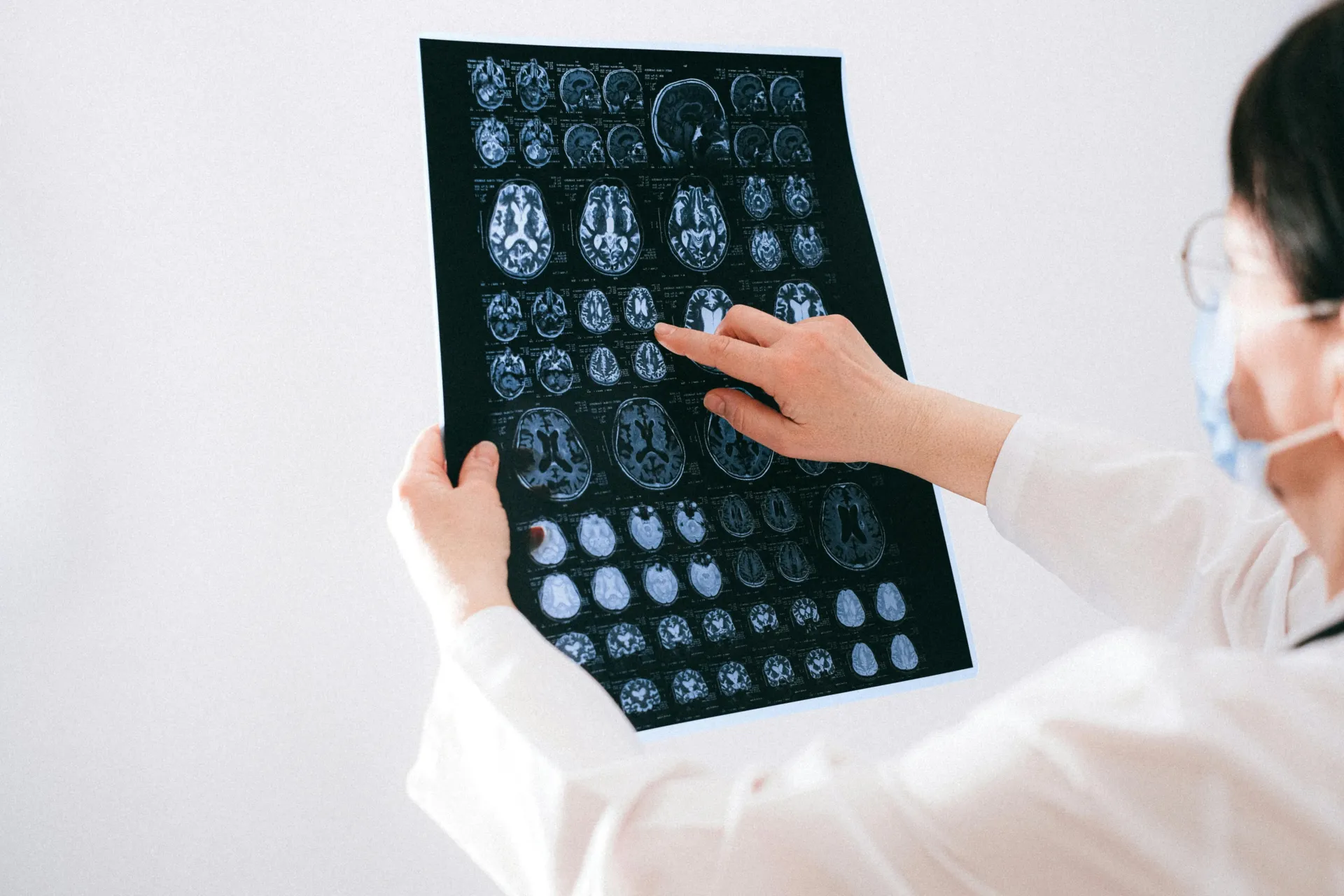
تشخيص متخصص
تحديد سبب تلف الأعصاب
فحوصات متقدمة
دراسات وظائف الأعصاب EMG/NCV
علاج فعّال
إدارة الألم والأعراض بطرق متعددة
يؤثر اعتلال الأعصاب الطرفية على الأعصاب خارج الدماغ والحبل الشوكي، مسبباً أعراضاً مثل التنميل والوخز والألم والضعف، عادةً في اليدين والقدمين. يتخصص أطباء الأعصاب لدينا في تشخيص وعلاج جميع أنواع اعتلال الأعصاب.
يُعد مرض السكري السبب الأكثر شيوعاً لاعتلال الأعصاب، لكن العديد من الحالات الأخرى يمكن أن تُتلف الأعصاب، بما في ذلك نقص الفيتامينات وأمراض المناعة الذاتية والعدوى وبعض الأدوية. تحديد السبب الكامن ضروري للعلاج الفعال.
يشمل نهجنا اختبارات شاملة لوظائف الأعصاب، وتحديد الأسباب القابلة للعلاج، واستراتيجيات علاجية متعددة لإدارة الأعراض ومنع التطور.
تشخيص متخصص
تحديد سبب تلف الأعصاب
فحوصات متقدمة
دراسات وظائف الأعصاب EMG/NCV
علاج فعّال
إدارة الألم والأعراض بطرق متعددة
علاج اعتلال الأعصاب في دبي: رعاية متخصصة للأعصاب الطرفية
تقييم شامل وإدارة اضطرابات الأعصاب
يؤثر اعتلال الأعصاب الطرفية على الأعصاب خارج الدماغ والحبل الشوكي، مسبباً أعراضاً مثل التنميل والوخز والألم والضعف، عادةً في اليدين والقدمين. يتخصص أطباء الأعصاب لدينا في تشخيص وعلاج جميع أنواع اعتلال الأعصاب.
يُعد مرض السكري السبب الأكثر شيوعاً لاعتلال الأعصاب، لكن العديد من الحالات الأخرى يمكن أن تُتلف الأعصاب، بما في ذلك نقص الفيتامينات وأمراض المناعة الذاتية والعدوى وبعض الأدوية. تحديد السبب الكامن ضروري للعلاج الفعال.
يشمل نهجنا اختبارات شاملة لوظائف الأعصاب، وتحديد الأسباب القابلة للعلاج، واستراتيجيات علاجية متعددة لإدارة الأعراض ومنع التطور.

Dr. Heike Jacobs
استكشف خدماتنا
خدمات علاج اعتلال الأعصاب الشاملة في مركز DCDC بمدينة دبي الطبية.


جميع الخدمات تقدم بواسطة متخصصين مرخصين من هيئة الصحة
من يحتاج تقييم اعتلال الأعصاب؟
يُوصى بتقييم اعتلال الأعصاب لأي شخص يعاني من أعراض مرتبطة بالأعصاب.
تنميل أو وخز في اليدين أو القدمين
ألم حارق أو طاعن في الأطراف
ضعف في الذراعين أو الساقين
حساسية مفرطة للمس
مرضى السكري الذين يعانون من أعراض في القدمين
مشاكل التوازن المرتبطة بفقدان الإحساس
لماذا تختار DCDC لعلاج اعتلال الأعصاب؟
رعاية متخصصة للأعصاب مع تشخيصات متقدمة وعلاج شامل.
أطباء أعصاب خبراء
متخصصون في اضطرابات الأعصاب الطرفية.
فحوصات الأعصاب
دراسات EMG وتوصيل الأعصاب للتشخيص الدقيق.
تحديد الأسباب
تحقيق شامل في الحالات الكامنة.
علاج متعدد الأساليب
نهج شامل لإدارة الأعراض.
رعاية منسقة
تكامل مع أخصائيي السكري والطب الباطني.
دعم التأمين
فوترة مباشرة مع شركات التأمين الكبرى.
زيارتك المريحة
عملية علاج بسيطة خطوة بخطوة مصممة للراحة والسرعة والدقة.
أسعار علاج اعتلال الأعصاب
تختلف أسعار علاج في دبي حسب نوع الخدمة والتغطية التأمينية لـ أنواع الخدمات المختلفة.
- يختلف السعر حسب نوع الفحص وما إذا كان يتطلب صبغة
- تغطية التأمين مقبولة مع الإحالة والتحقق
- أسعار شفافة للدفع الذاتي متاحة مع عرض سعر فوري عند الطلب
التحقق من التأمين خلال دقائق • بدون رسوم مخفية • استجابة سريعة على واتساب
دليل المريض
ما يمكن توقعه في تقييم اعتلال الأعصاب
تقييم شامل لتشخيص وعلاج حالة الأعصاب لديك.
التأمين والموقع
شركاء التأمين
- •أكثر من 20 شركة تأمين في دبي بما في ذلك ضمان، أكسا، أدنيك وغيرها
- •دعم الموافقة المسبقة والفوترة المباشرة (حيثما ينطبق)
- •التحقق من التغطية قبل موعدك في عيادتنا بمدينة دبي الطبية
- •أسعار شفافة بدون رسوم مخفية لخدمات علاج اعتلال الأعصاب








زرنا في مدينة دبي الطبية
مركز الأطباء التشخيصي
المبنى 64، البلوك أ، مجمع الرازي الطبي، مدينة دبي الطبية، دبي، الإمارات
قرب طريق عود ميثاء · سهولة الوصول من بر دبي، داون تاون دبي، الخليج التجاري · مواقف مجانية مخصصة متاحة
ساعات العمل
الإثنين-الخميس، السبت: 8 ص - 10:30 م | الأحد: 8:30 ص - 10:30 م | الجمعة: 9 ص - 10 م
كيف يعمل التأمين في DCDC
تحقق من التغطية
تحقق من أن خطتك تغطي علاج اعتلال الأعصاب
احصل على إحالة
بعض شركات التأمين تتطلب إحالة من طبيب عام — يمكننا مساعدتك
الموافقة المسبقة
نتعامل مع الموافقة المسبقة مباشرة مع شركة التأمين
الفوترة المباشرة
لا دفع مقدم — نحن نفوتر شركة التأمين مباشرة
الدفع المشترك فقط
تدفع فقط أي مبلغ مشترك مطبق في العيادة
تحقق من التغطية
تحقق من أن خطتك تغطي علاج اعتلال الأعصاب
احصل على إحالة
بعض شركات التأمين تتطلب إحالة من طبيب عام — يمكننا مساعدتك
الموافقة المسبقة
نتعامل مع الموافقة المسبقة مباشرة مع شركة التأمين
الفوترة المباشرة
لا دفع مقدم — نحن نفوتر شركة التأمين مباشرة
الدفع المشترك فقط
تدفع فقط أي مبلغ مشترك مطبق في العيادة
Your Specialist
Dr. Heike Jacobs
Consultant Neurologist
MD, MRCP, Consultant Neurologist
German · English
دليل المريض
اعتلال الأعصاب الطرفية: فهم تلف الأعصاب والعلاج الحديث
الجهاز العصبي الطرفي شبكة واسعة من الأعصاب تمتد من الدماغ والحبل الشوكي إلى كل أجزاء الجسم، تحمل الأوامر الحركية إلى العضلات والمعلومات الحسية إلى الدماغ والإشارات اللاإرادية التي تُنظم الوظائف غير الإرادية كضربات القلب والهضم. حين تتلف هذه الأعصاب، يمكن لاعتلال الأعصاب الناتج أن يُنتج طيفاً واسعاً من الأعراض بحسب ألياف الأعصاب المتأثرة. وفهم نوع توزيع الإصابة العصبية أمر محوري لتحقيق التشخيص الدقيق والعلاج الموجه.
يستحق اعتلال الأعصاب السكري اهتماماً خاصاً في سياق الإمارات، حيث تُعدّ نسبة انتشار مرض السكري من بين الأعلى في العالم. تنطوي الآلية على تلف الألياف العصبية بفعل ارتفاع السكر في الدم المزمن عبر مسارات متعددة تشمل الإجهاد التأكسدي وتراكم المنتجات الأيضية الضارة وضعف إمداد الدم للأعصاب. يتطور الضرر العصبي الناتج من أطول الألياف أولاً، مما يفسر لماذا تبدأ الأعراض عادةً في أصابع القدم والقدمين قبل أن تصعد لتشمل الساقين وفي نهاية المطاف اليدين.
يظل الاختبار الكهروتشخيصي بدراسات توصيل الأعصاب وتخطيط كهربية العضل معياراً ذهبياً لتقييم وظيفة الأعصاب الطرفية بموضوعية. تكشف هذه الاختبارات ما إذا كان تلف الأعصاب محوراً (يؤثر على الليف العصبي ذاته) أم مزيلاً للميلين (يؤثر على الغمد العازل حول العصب)، وهو تمييز يُضيّق بشكل كبير قائمة الأسباب المحتملة. كما تُحدد الشدة وتساعد في مراقبة التطور أو التحسن. ورغم أن الاختبارات تنطوي على تحفيز كهربائي خفيف قد يكون مزعجاً مؤقتاً، فإنها توفر معلومات تشخيصية لا تُقدَّر بثمن لا يمكن الحصول عليها بأي طريقة أخرى.
يكون علاج اعتلال الأعصاب أكثر فاعلية حين يعالج السبب الكامن بينما يدير الأعراض في الوقت ذاته. لاعتلال الأعصاب السكري، يُعدّ تحقيق السيطرة المثلى على سكر الدم والحفاظ عليها التدخل الأكثر أثراً. تستجيب اعتلالات الأعصاب الناتجة عن نقص الفيتامينات بشكل جيد للمكملات المناسبة. وقد تستلزم اعتلالات الأعصاب المناعية الذاتية علاجاً مُعدِّلاً للمناعة. لآلام الأعصاب، يُوفر نهج تدريجي باستخدام أدوية تستهدف مسارات الألم المحددة كالغابابنتينويدات ومثبطات استرداد السيروتونين والنورإبينفرين ومضادات الاكتئاب ثلاثية الحلقات راحةً لمعظم المرضى.
حالات اعتلال الأعصاب التي نُقيّمها ونعالجها
اعتلال الأعصاب السكري متعدد الأطراف
النوع الأكثر شيوعاً من اعتلال الأعصاب، ناجم عن ارتفاع سكر الدم المزمن، يؤثر على الإحساس والوظيفة الحركية بنمط يبدأ من القدمين.
اعتلال الأعصاب بسبب نقص فيتامين B12
تلف الأعصاب جراء انخفاض مستويات B12 مسبباً خدراً ووخزاً ومشاكل في التوازن، قابل للعكس بمكملات B12 عند الكشف المبكر.
متلازمة النفق الرسغي
ضغط العصب الناصف عند الرسغ مسبباً خدراً وضعفاً في اليد، يُشخَّص بدراسات توصيل الأعصاب ويُعالج تحفظياً أو جراحياً.
اعتلال العصب الزندي
ضغط العصب الزندي عند الكوع أو الرسغ مسبباً خدراً في البنصر والخنصر وضعفاً في اليد.
متلازمة غيان باريه
اعتلال أعصاب مناعي ذاتي حاد يسبب ضعفاً تصاعدياً سريعاً، يستوجب تقييماً عاجلاً وعلاجاً بالمناعة.
الاعتلال العصبي الالتهابي إزالة الميلين المزمن
اعتلال أعصاب مناعي ذاتي مزمن يسبب ضعفاً تدريجياً أو انتكاسياً وتغيرات حسية، يُدار بعلاج مُعدِّل للمناعة.
مقالات ذات صلة
إدارة السكري في دبي
تعلم كيف يمنع التحكم الأمثل بالسكري اعتلال الأعصاب السكري ويُبطّئ تقدمه.
نقص فيتامين D في دبي
افهم كيف تُسهم نواقص الفيتامينات في اعتلال الأعصاب وأهمية الفحص الغذائي.
آلام الظهر: الأسباب والعلاج
اكتشف العلاقة بين حالات العمود الفقري والضغط على الأعصاب الذي يسبب أعراض اعتلال الأعصاب.
خدمات ذات صلة
استكشف خدمات التشخيص والاستشارات الأخرى المتوفرة في عيادتنا بمدينة دبي الطبية.
الأسئلة الشائعة
أسئلة شائعة حول علاج اعتلال الأعصاب في دبي.
تشمل الأسباب الشائعة مرض السكري ونقص الفيتامينات (B12) وأمراض المناعة الذاتية والعدوى وتعاطي الكحول وبعض الأدوية (العلاج الكيميائي) والحالات الوراثية. أحياناً يكون السبب غير معروف (مجهول السبب).
يمكن أن يتحسن أو يُعكس بعض أنواع اعتلال الأعصاب إذا عُولج السبب الكامن (مثل نقص الفيتامينات أو السيطرة على السكري). قد تتم إدارة أنواع أخرى دون عكسها بالكامل. يوفر العلاج المبكر أفضل النتائج.
اعتلال الأعصاب السكري هو تلف الأعصاب الناجم عن ارتفاع السكر في الدم لفترات طويلة. يؤثر عادةً على القدمين والساقين أولاً، مسبباً التنميل والوخز والألم وزيادة خطر إصابات القدم.
تقيس هذه الفحوصات مدى كفاءة عمل الأعصاب والعضلات. تقيّم دراسات توصيل الأعصاب انتقال الإشارات العصبية؛ ويقيّم EMG النشاط الكهربائي للعضلات. معاً يساعدان في تشخيص نوع وشدة اعتلال الأعصاب.
يشمل العلاج أدوية مخصصة لألم الأعصاب (غابابنتين، بريغابالين، دولوكستين)، وعلاجات موضعية، وأحياناً العلاج الطبيعي. نخصص العلاج حسب أعراضك واستجابتك.
نعم، يجب أن يخضع مرضى السكري لفحص سنوي للقدمين وفحص اعتلال الأعصاب. يتيح الكشف المبكر سيطرة أفضل على السكري ورعاية وقائية للقدمين لتجنب المضاعفات.
الحقائق الأساسية
المراجعة والإشراف الطبي
جميع الخدمات تقدم تحت إشراف متخصصين طبيين مرخصين في منشأتنا المعتمدة من وزارة الصحة.