
تخطي إلى المحتوى الرئيسي
مركز الأطباء التشخيصي، مدينة دبي الطبية، دبي، الإمارات

اختبار مسحة عنق الرحم في دبي

فحص مسحة وفيروس الورم الحليمي البشري في نفس اليوم، أطباء نساء، خاص وحنون

4.8/51000+ التقييمات
100k+ مريض تمت خدمته
DCDC
4.8

احجز موعدك

قصص مرضى موثقة

تقييمات موثقة من مرضى مركز الأطباء التشخيصي في دبي

تقييمات موثقة وقصص حقيقية من مرضى مدينة دبي الطبية

4.8 / 5من أكثر من 1,000 تقييم

أنا راضية جداً عن هذه العيادة الطبية. أجريت أول فحص حمل لي هنا. كان السعر معقولاً والخدمة احترافية للغاية. كان أخصائي الأشعة مرحباً ولطيفاً وجعل التجربة رائعة.

أ

أيزان توكمانبيتوفا

مريض موثق

أصبت ركبتي ليلة الجمعة وحصلت على موعد للرنين المغناطيسي مساء الأحد (حجزت بعد ظهر الأحد). انتظرت حوالي دقيقتين وانتهيت في أكثر من 30 دقيقة بقليل. كان الفريق رائعاً وودوداً وفعالاً.

ك

كيرستن إيفانز

مريض موثق

كان فريق الدكتور أسامة لطيفاً ورائعاً. بعد تجربة سيئة في مكان آخر، كان فحص الحوض هنا أكثر احترافية بكثير. تقرير ممتاز ودقيق للغاية.

م

ماري

مريض موثق

خدمة ممتازة واستقبال مفيد. نظمت السيدة كليوس كل شيء بسلاسة، وكان الدكتور زرياب على دراية ومحترف.

د

دومينيك باتينو

مريض موثق

تجربة رنين مغناطيسي متميزة، مرفق نظيف، طاقم ودود، شرح واضح، وعملية سلسة. كانت النتائج سريعة ومفصلة، وأخذ أخصائي الأشعة الوقت لشرح النتائج.

م

محمود منير

مريض موثق

تجربة موجات فوق صوتية رائعة، طاقم ودود وأسعار معقولة. رعاية عالية الجودة بتكلفة معقولة.

ك

كومال أحمد

مريض موثق
قصة مريض موثقة
قصة مريض موثقة
قصة مريض موثقة
قصة مريض موثقة
قصة مريض موثقة
قصة مريض موثقة
قصة مريض موثقة
قصة مريض موثقة
قصة مريض موثقة
قصة مريض موثقة

اختبار مسحة عنق الرحم في دبي: فحص سرطان عنق الرحم واختبار فيروس الورم الحليمي البشري

فحص مسحة وفيروس الورم الحليمي البشري مع متخصصات نسائيات في مدينة دبي الطبية
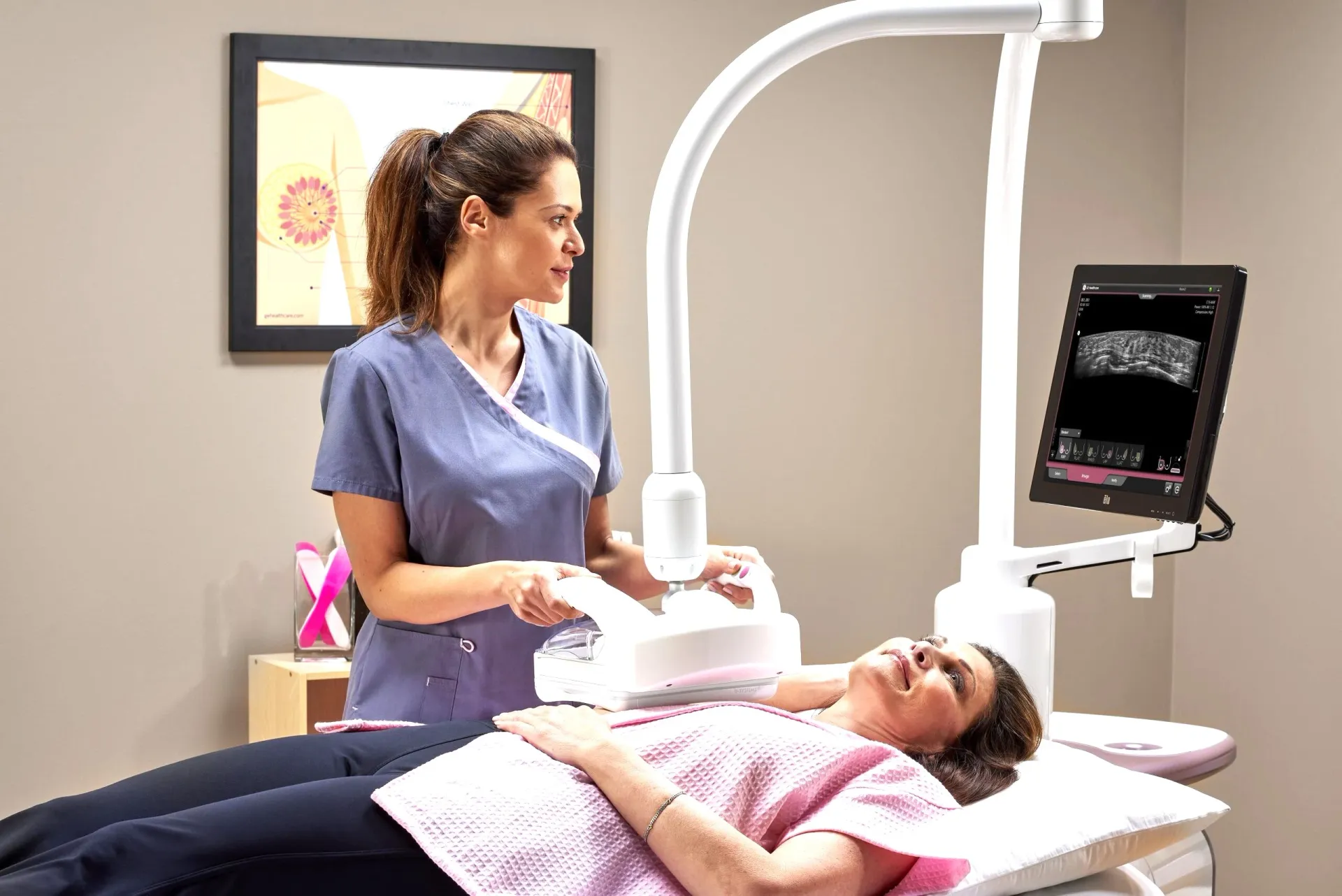
فحص سرطان عنق الرحم في مركز DCDC بمدينة دبي الطبية
نتائج في نفس اليوم

رعاية متخصصة

فحص سرطان عنق الرحم مع متخصصات في مركز DCDC بمدينة دبي الطبية

احجز موعد فحص سرطان عنق الرحم

اختبار مسحة عنق الرحم في مدينة دبي الطبية. فحص سرطان عنق الرحم واختبار فيروس الورم الحليمي البشري مع أطباء نساء متخصصات. مواعيد في نفس اليوم. احجز الآن.

مرخص من هيئة الصحة

خدمات فحص سرطان عنق الرحم لدينا

خدمات فحص سرطان عنق الرحم الشاملة في مركز DCDC بمدينة دبي الطبية.
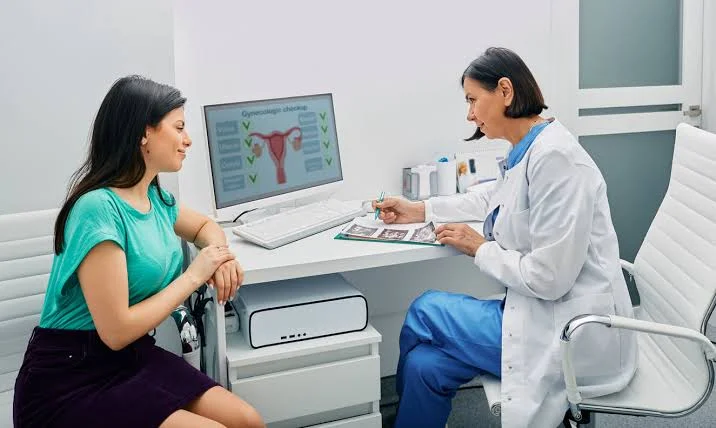
Pap Smear - DCDC

Pap Smear

Routine cervical screening with gentle, female-led care.

HPV Testing - DCDC

HPV Testing

High-risk HPV detection alongside Pap smear.

Women's Wellness - DCDC

Women's Wellness

Full check-up with Pap/HPV, breast exam, and counseling.

Breast Health - DCDC

Breast Health

Mammogram/breast screening coordination.

جميع الخدمات تقدم بواسطة متخصصين مرخصين من هيئة الصحة

من يجب أن يخضع لفحص سرطان عنق الرحم

النساء النشيطات جنسياً والراغبات في الكشف المبكر عن الأمراض.

الأكثر شيوعاً

Women starting at age 21

الأكثر شيوعاً

Every 3 years for ages 21-29

Every 5 years for ages 30-65 (with HPV test)

More frequent if history of abnormal results

Women with weakened immune systems

Women who have never had a Pap smear regardless of age

Women with a history of cervical pre-cancerous lesions (CIN)

Women exposed to diethylstilbestrol (DES) in utero

Sexually active women of any age with multiple partners

Women who want HPV vaccination assessment alongside screening

لماذا تختارين مركز DCDC لفحص سرطان عنق الرحم

رعاية طبية متقدمة وآمنة

MOHAP Licensed Clinic

Licensed facility in DHCC (MOHAP license NIMY7VY5-240925) following strict clinical and infection control standards.

Female Gynecologists

Experienced female specialists performing Pap and HPV testing with sensitivity and clear explanations.

Same-Day Screening

Same-day Pap/HPV appointments often available; slots are limited. Book early.

Comprehensive Follow-up

Clear next steps for abnormal results, including colposcopy referrals and HPV vaccination guidance.

Prime DHCC Location

Building 64, Block A, Dubai Healthcare City with free dedicated parking and easy access.

Private & Confidential

Respectful, discreet screening environment with quick turnaround and communication.

زيارتك المريحة

عملية فحص بسيطة خطوة بخطوة مصممة للراحة والسرعة والدقة.

1

Book

Schedule a private visit; same-day often available.

2

Exam

Gentle Pap/HPV sample collection.

3

Lab

Sample analysis for cells/HPV.

4

Results

Report in a few days with guidance.

5

Peace

Stay on schedule; follow-up if needed.

أسعار فحص سرطان عنق الرحم

تختلف أسعار فحص في دبي حسب نوع الخدمة والتغطية التأمينية لـ أنواع الخدمات المختلفة.

  • يختلف السعر حسب نوع الفحص وما إذا كان يتطلب صبغة
  • تغطية التأمين مقبولة مع الإحالة والتحقق
  • أسعار شفافة للدفع الذاتي متاحة مع عرض سعر فوري عند الطلب

التحقق من التأمين خلال دقائق • بدون رسوم مخفية • استجابة سريعة على واتساب

دليل المريض

ماذا تتوقعين من الفحص

إجراء بسيط وسريع مع أطباء نساء متخصصات في بيئة آمنة وخاصة.

Preparation

  • Getting ready.
  • Discuss:Medical history.
  • Comfort:Private changing area.
  • Relax:Gentle staff support.

The Test

  • Simple, quick swab.
  • Speculum:Gently inserted.
  • Sample:Quick cell collection.
  • Duration:Less than 5 mins.

Results

  • Lab analysis & follow-up.
  • Process:Sent to lab.
  • Report:Ready in few days.
  • Action:Doctor explains results and next steps if needed.

التأمين والموقع

ترخيص وزارة الصحة: مركز تشخيصي مرخص بالكامل في مدينة دبي الطبية

شركاء التأمين

  • أكثر من 20 شركة تأمين في دبي بما في ذلك ضمان، أكسا، أدنيك وغيرها
  • دعم الموافقة المسبقة والفوترة المباشرة (حيثما ينطبق)
  • التحقق من التغطية قبل موعدك في عيادتنا بمدينة دبي الطبية
  • أسعار شفافة بدون رسوم مخفية لخدمات فحص سرطان عنق الرحم

ADNIC insurance logo
Aetna insurance logo
Al-Buhaira insurance logo
AlMadhalla insurance logo
amity insurance logo
AXA insurance logo
Daman insurance logo
ECARE insurance logo
عرض جميع شركاء التأمين

زرنا في مدينة دبي الطبية

مركز الأطباء التشخيصي

المبنى 64، البلوك أ، مجمع الرازي الطبي، مدينة دبي الطبية، دبي، الإمارات

قرب طريق عود ميثاء · سهولة الوصول من بر دبي، داون تاون دبي، الخليج التجاري · مواقف مجانية مخصصة متاحة

ساعات العمل

السبت-الخميس: 8 صباحاً - 10 مساءً | الجمعة: 9 صباحاً - 9 مساءً

كيف يعمل التأمين في DCDC

تحقق من التغطية

تحقق من أن خطتك تغطي فحص سرطان عنق الرحم

احصل على إحالة

بعض شركات التأمين تتطلب إحالة من طبيب عام — يمكننا مساعدتك

الموافقة المسبقة

نتعامل مع الموافقة المسبقة مباشرة مع شركة التأمين

الفوترة المباشرة

لا دفع مقدم — نحن نفوتر شركة التأمين مباشرة

الدفع المشترك فقط

تدفع فقط أي مبلغ مشترك مطبق في العيادة

أخصائيك

Dr. Parisa Dini

Dr. Parisa Dini

Specialist OB/GYN

MD, Specialist OB/GYN

التخصصات
استشارات ما قبل الحملإدارة الحمل السابق للولادة وحالات الحمل عالية الخطورةالولادات الطبيعية والقيصرية
اللغات

الإنجليزية · الفارسية

عرض الملف الكامل

دليل المريض

Cervical Cancer Prevention: Understanding Screening, HPV, and Early Detection

Cervical cancer develops when abnormal cells on the cervix grow uncontrollably, typically driven by persistent infection with high-risk strains of human papillomavirus (HPV). Unlike many cancers that develop rapidly, cervical cancer usually takes years to progress from initial HPV infection to pre-cancerous changes to invasive cancer. This slow progression makes cervical cancer one of the most preventable cancers when regular screening is maintained, as pre-cancerous changes can be detected and treated long before they become dangerous. In the UAE, increased awareness and access to screening services are helping more women protect themselves through early detection.

HPV is extremely common, with most sexually active people contracting at least one strain during their lifetime. The majority of HPV infections are cleared by the immune system within 1-2 years without causing any harm. However, persistent infection with high-risk HPV types (particularly types 16 and 18, which cause approximately 70% of cervical cancers) can lead to gradual cell changes on the cervix. Risk factors for persistent HPV infection include smoking, a weakened immune system, long-term oral contraceptive use, and having multiple sexual partners. Understanding these risk factors helps women make informed decisions about screening frequency and prevention strategies.

The Pap smear remains the cornerstone of cervical cancer prevention. This simple, quick test involves collecting a small sample of cells from the cervix using a soft brush or spatula. The cells are then examined under a microscope by a cytologist who looks for abnormal changes. When combined with HPV testing (co-testing), the detection rate for pre-cancerous changes exceeds 95%. Screening guidelines are designed to balance maximum detection with minimal unnecessary procedures, recommending Pap smears every 3 years for women aged 21-29 and co-testing every 5 years for women aged 30-65.

HPV vaccination represents a breakthrough in cervical cancer prevention. The vaccine protects against the HPV strains responsible for the vast majority of cervical cancers, as well as genital warts. The UAE recommends HPV vaccination for girls, ideally before the onset of sexual activity, with catch-up vaccination available for women up to age 26. The vaccine is most effective when given early but can still provide benefit for older women who may not have been exposed to all targeted HPV strains. Importantly, vaccination does not replace the need for regular screening, as it does not protect against all cancer-causing HPV types. The combination of vaccination and screening provides the strongest possible defense against cervical cancer.

Cervical Conditions We Screen For and Manage

HPV Infection (High-Risk Strains)

Detection of high-risk HPV types (16, 18, and others) through cervical testing with monitoring and follow-up guidance.

ASC-US (Atypical Squamous Cells)

Mildly abnormal Pap result that may require HPV testing or repeat screening to determine if further evaluation is needed.

LSIL (Low-Grade Squamous Intraepithelial Lesion)

Minor cell changes usually caused by HPV that are monitored with repeat testing as most resolve spontaneously.

HSIL (High-Grade Squamous Intraepithelial Lesion)

More significant cell changes requiring colposcopy and potential treatment to prevent progression to cervical cancer.

CIN 1 (Cervical Intraepithelial Neoplasia Grade 1)

Mild dysplasia typically managed with surveillance and repeat Pap/HPV testing every 6-12 months.

CIN 2/3 (Moderate to Severe Dysplasia)

Pre-cancerous changes that usually require treatment such as LEEP or cone biopsy to remove abnormal tissue.

مقالات ذات صلة

خدمات ذات صلة

استكشف خدمات التشخيص والاستشارات الأخرى المتوفرة في عيادتنا بمدينة دبي الطبية.

الأسئلة الشائعة

أسئلة شائعة حول فحص سرطان عنق الرحم في دبي.

Most women feel only mild pressure or a brief pinch during the sample collection, which takes less than a minute. The entire procedure from start to finish is usually under five minutes. If you are anxious or have experienced discomfort during previous exams, let our doctor know beforehand. Our female gynecologists use gentle technique, smaller speculums when appropriate, and take time to ensure you feel relaxed. Breathing exercises and communication throughout the procedure help minimize any discomfort. Many women are surprised at how quick and manageable the test actually is.

Yes, cervical screening remains essential even if you have received the HPV vaccine. While the vaccine provides excellent protection against the most common cancer-causing HPV strains (types 16 and 18), it does not cover all high-risk HPV types. Additionally, if you were vaccinated after becoming sexually active, you may have already been exposed to some HPV strains before vaccination. Continuing regular Pap smear and HPV testing ensures that any abnormal cell changes are detected early regardless of vaccination status. Think of vaccination and screening as complementary layers of protection.

For the most accurate results, schedule your Pap smear when you are not on your period, ideally mid-cycle. Avoid vaginal intercourse, douching, vaginal creams, suppositories, or tampons for 48 hours before the test, as these can wash away or obscure abnormal cells. If you are taking vaginal medications, discuss timing with your doctor. No fasting is required, and you can eat and drink normally before your appointment. Wear comfortable, easy-to-remove clothing. If your period arrives unexpectedly on the day of your appointment, contact us to reschedule for the best sample quality.

An abnormal Pap smear result does not mean you have cancer. In most cases, it indicates minor cell changes (such as ASC-US or LSIL) caused by HPV infection, inflammation, or hormonal changes. These changes often resolve on their own. Your doctor will explain your specific result and recommend appropriate follow-up, which may include repeat testing in 6-12 months, HPV typing, or a colposcopy (a closer examination of the cervix with magnification). Only a small percentage of abnormal results indicate higher-grade changes that need treatment. Early detection through screening means even precancerous changes can be treated effectively before they progress.

Women over 65 who have had regular normal screening results over the previous 10 years (including at least three consecutive negative Pap smears or two consecutive negative co-tests within the past 10 years, with the most recent within 5 years) may be able to discontinue cervical screening. However, if you have a history of cervical pre-cancer (CIN 2 or higher), screening should continue for at least 20 years after the abnormality was treated. Women who have had a hysterectomy with removal of the cervix for non-cancerous reasons may also stop. Discuss your individual situation with your gynecologist to determine the right approach.

Yes, same-day Pap smear and HPV testing appointments are often available at our DHCC clinic, though specialist slots are limited and fill quickly. We prioritize women who are overdue for screening or who have received abnormal results requiring follow-up. Contact us early in the day by phone or WhatsApp for the best chance of same-day availability. For routine screening, advance booking is recommended to ensure you see your preferred female gynecologist and have adequate preparation time.

A Pap smear (also called a Pap test or cervical smear) examines cells collected from the cervix under a microscope to detect abnormal changes that could indicate pre-cancer or cancer. An HPV test checks for the presence of high-risk human papillomavirus strains in cervical cells. The Pap smear identifies the effect (abnormal cells), while the HPV test identifies the cause (the virus). When performed together as co-testing, they provide the most comprehensive screening. Guidelines recommend co-testing every 5 years for women aged 30-65, while women aged 21-29 typically have Pap smears alone every 3 years.

A colposcopy is a procedure where your gynecologist uses a special magnifying instrument (colposcope) to closely examine the cervix, vagina, and vulva for signs of abnormal cells. It is typically recommended after an abnormal Pap smear or positive HPV test result to determine the severity and location of any cell changes. During the procedure, a mild solution is applied to the cervix to highlight abnormal areas, and a small biopsy (tissue sample) may be taken for laboratory analysis. The procedure takes about 15-20 minutes and may cause mild cramping. Results guide whether monitoring, further treatment, or excision is needed.

المراجعة والإشراف الطبي

جميع الخدمات تقدم تحت إشراف متخصصين طبيين مرخصين في منشأتنا المعتمدة من وزارة الصحة.