احجز موعدك
تقييمات موثقة من مرضى مركز الأطباء التشخيصي في دبي
تقييمات موثقة وقصص حقيقية من مرضى مدينة دبي الطبية
أنا راضية جداً عن هذه العيادة الطبية. أجريت أول فحص حمل لي هنا. كان السعر معقولاً والخدمة احترافية للغاية. كان أخصائي الأشعة مرحباً ولطيفاً وجعل التجربة رائعة.
أيزان توكمانبيتوفا
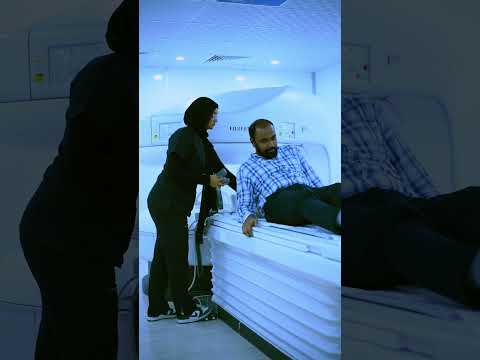
أصبت ركبتي ليلة الجمعة وحصلت على موعد للرنين المغناطيسي مساء الأحد (حجزت بعد ظهر الأحد). انتظرت حوالي دقيقتين وانتهيت في أكثر من 30 دقيقة بقليل. كان الفريق رائعاً وودوداً وفعالاً.
كيرستن إيفانز
كان فريق الدكتور أسامة لطيفاً ورائعاً. بعد تجربة سيئة في مكان آخر، كان فحص الحوض هنا أكثر احترافية بكثير. تقرير ممتاز ودقيق للغاية.
ماري

اختبار الجهد القلبي في دبي: تقييم كفاءة القلب تحت الإجهاد
اكتشف كيفية أداء قلبك تحت الضغط البدني
تشخيص دقيق
تقييم شامل لصحة القلب والأوعية الدموية
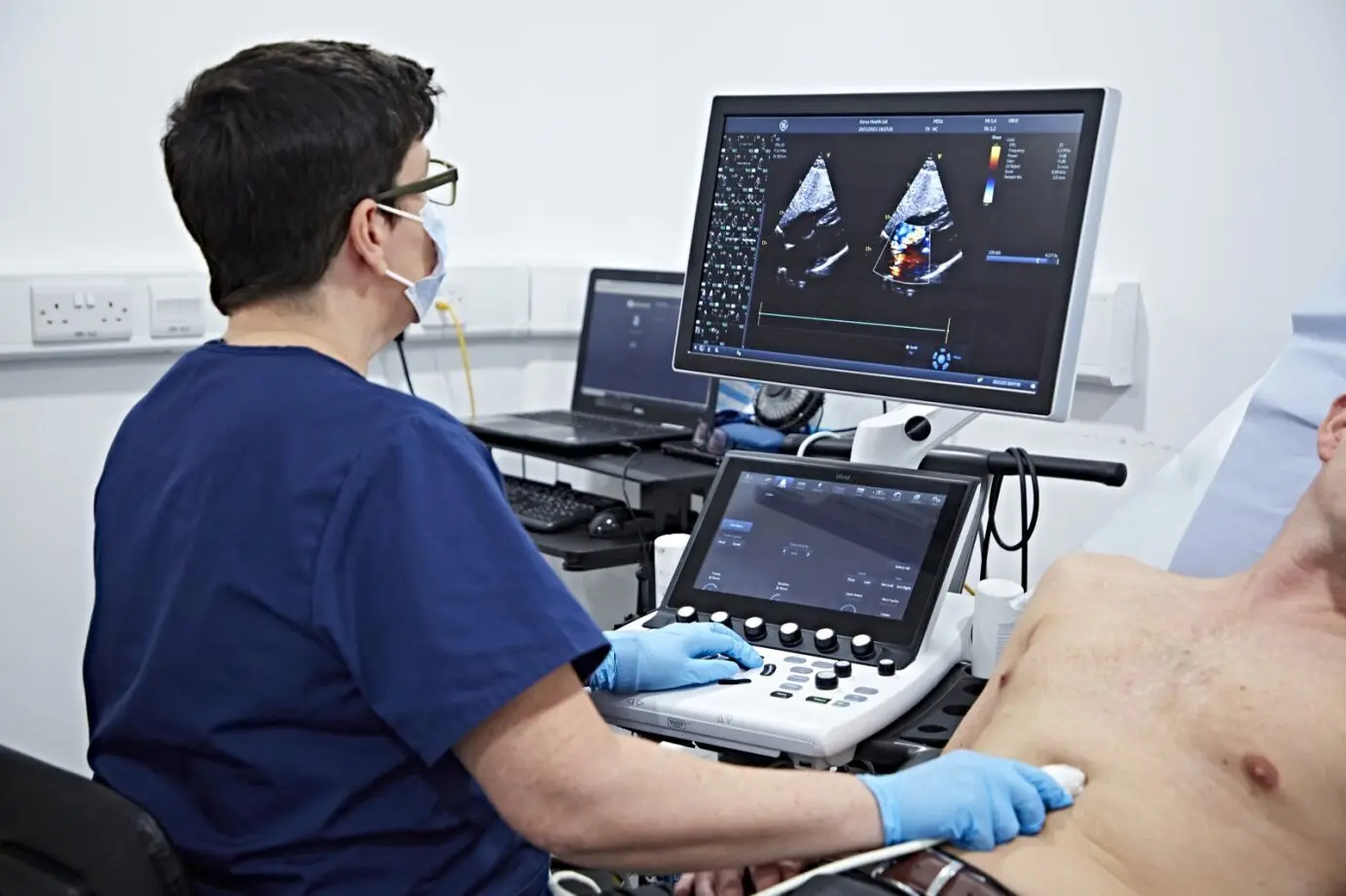
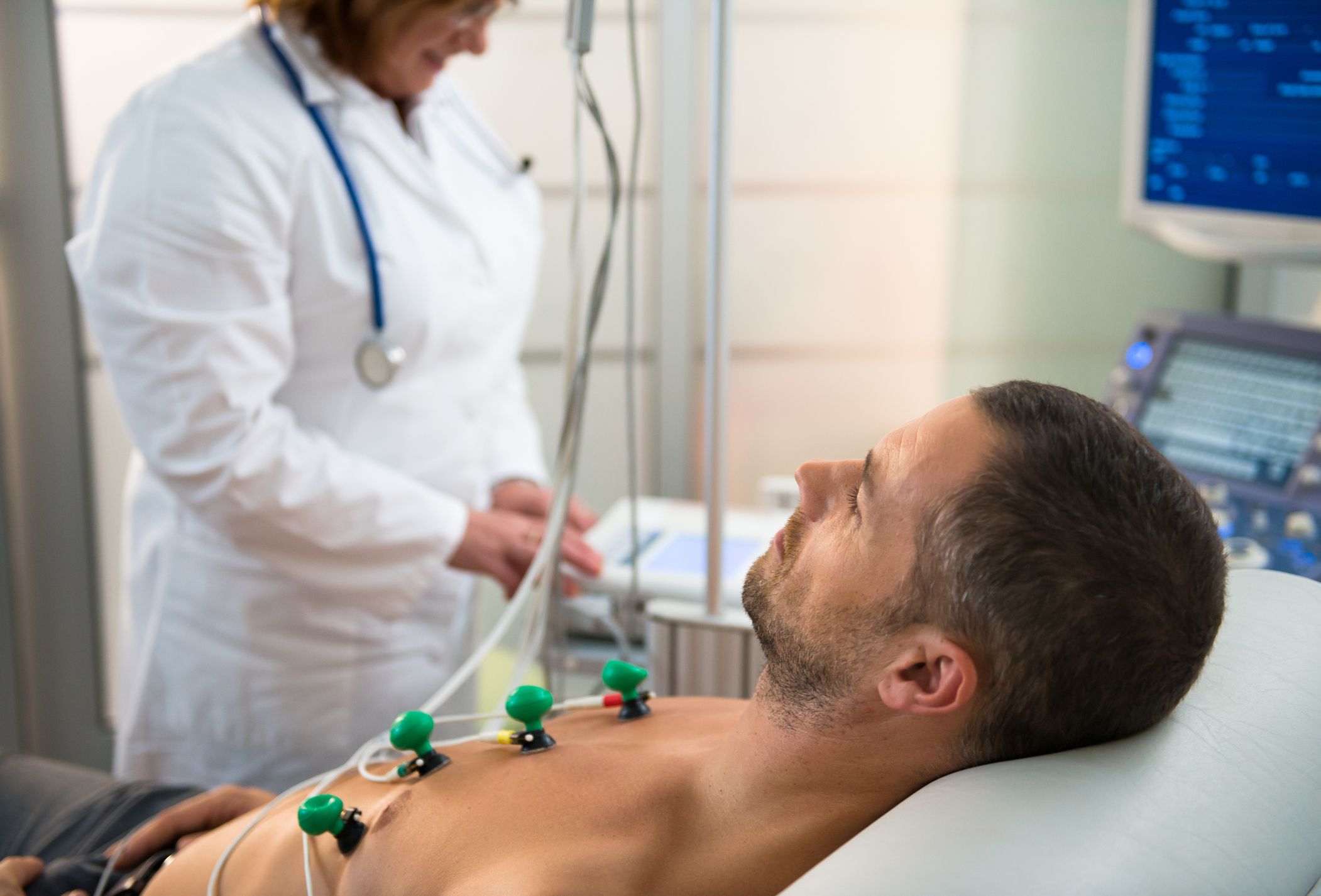
اختبار الجهد القلبي في مدينة دبي الطبية مع جهاز اختبار الجهد وإشراف متخصص من طبيب القلب. نوفر مواعيد فورية وتحليلاً دقيقاً لنتائجك.
تشخيص دقيق
تقييم شامل لصحة القلب والأوعية الدموية
اختبار الجهد القلبي في دبي: تقييم كفاءة القلب تحت الإجهاد
اكتشف كيفية أداء قلبك تحت الضغط البدني
اختبار الجهد القلبي في مدينة دبي الطبية مع جهاز اختبار الجهد وإشراف متخصص من طبيب القلب. نوفر مواعيد فورية وتحليلاً دقيقاً لنتائجك.
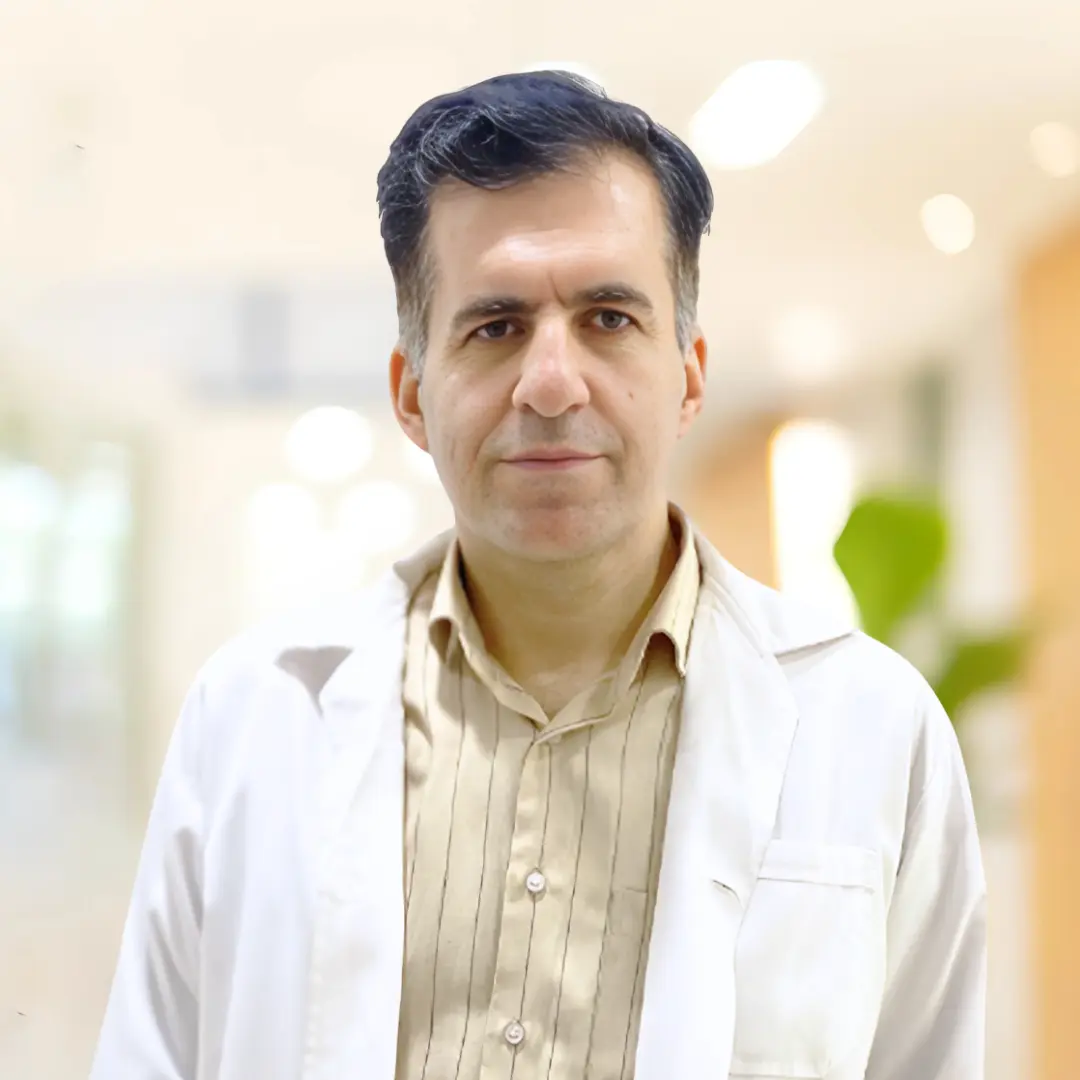
Dr. Shahoo Mazhari
استكشف خدماتنا
خدمات اختبار الجهد القلبي الشاملة في مركز DCDC بمدينة دبي الطبية.

جميع الخدمات تقدم بواسطة متخصصين مرخصين من هيئة الصحة
من يحتاج لاختبار الجهد
اختبار الجهد مهم للأشخاص الذين لديهم عوامل خطر قلبية أو أعراض مشبوهة.
Chest pain or angina symptoms needing evaluation
Shortness of breath on exertion
Exercise-induced palpitations or arrhythmias
Assessing treatment effectiveness after cardiac intervention
Determining safe exercise limits for fitness programs
Pre-operative cardiac clearance before surgery
لماذا تختار DCDC لاختبار الجهد القلبي
رعاية قلبية متخصصة بمستويات عالمية
معتمد من MOHAP
مرخص رسمياً من هيئة الصحة العامة بدبي
فريق متخصص
أطباء قلب وتقنيون ذوو خبرة عالية
معدات حديثة
أحدث أجهزة اختبار الجهد والمراقبة
Insurance Support
Direct billing with 20+ insurers. We handle pre-authorization for you.
Convenient Location
Building 64, Block A in our center. Free parking on-site.
Patient Experience
4.8/5 Google rating. Safe, supervised testing with immediate results discussion.
زيارتك المريحة
عملية اختبار بسيطة خطوة بخطوة مصممة للراحة والسرعة والدقة.
أسعار اختبار الجهد
تختلف أسعار اختبار في دبي حسب نوع الخدمة والتغطية التأمينية لـ أنواع الخدمات المختلفة.
- يختلف السعر حسب نوع الفحص وما إذا كان يتطلب صبغة
- تغطية التأمين مقبولة مع الإحالة والتحقق
- أسعار شفافة للدفع الذاتي متاحة مع عرض سعر فوري عند الطلب
التحقق من التأمين خلال دقائق • بدون رسوم مخفية • استجابة سريعة على واتساب
دليل المريض
ماذا تتوقع من الاختبار
اختبار آمن يتم تحت إشراف طبي كامل مع مراقبة مستمرة للقلب والضغط.
التأمين والموقع
شركاء التأمين
- •أكثر من 20 شركة تأمين في دبي بما في ذلك ضمان، أكسا، أدنيك وغيرها
- •دعم الموافقة المسبقة والفوترة المباشرة (حيثما ينطبق)
- •التحقق من التغطية قبل موعدك في عيادتنا بمدينة دبي الطبية
- •أسعار شفافة بدون رسوم مخفية لخدمات اختبار الجهد القلبي






زرنا في مدينة دبي الطبية
مركز الأطباء التشخيصي
المبنى 64، البلوك أ، مجمع الرازي الطبي، مدينة دبي الطبية، دبي، الإمارات
قرب طريق عود ميثاء · سهولة الوصول من بر دبي، داون تاون دبي، الخليج التجاري · مواقف مجانية مخصصة متاحة
ساعات العمل
الإثنين-الخميس، السبت: 8 ص - 10:30 م | الأحد: 8:30 ص - 10:30 م | الجمعة: 9 ص - 10 م
كيف يعمل التأمين في DCDC
تحقق من التغطية
تحقق من أن خطتك تغطي اختبار الجهد القلبي
احصل على إحالة
بعض شركات التأمين تتطلب إحالة من طبيب عام — يمكننا مساعدتك
الموافقة المسبقة
نتعامل مع الموافقة المسبقة مباشرة مع شركة التأمين
الفوترة المباشرة
لا دفع مقدم — نحن نفوتر شركة التأمين مباشرة
الدفع المشترك فقط
تدفع فقط أي مبلغ مشترك مطبق في العيادة
تحقق من التغطية
تحقق من أن خطتك تغطي اختبار الجهد القلبي
احصل على إحالة
بعض شركات التأمين تتطلب إحالة من طبيب عام — يمكننا مساعدتك
الموافقة المسبقة
نتعامل مع الموافقة المسبقة مباشرة مع شركة التأمين
الفوترة المباشرة
لا دفع مقدم — نحن نفوتر شركة التأمين مباشرة
الدفع المشترك فقط
تدفع فقط أي مبلغ مشترك مطبق في العيادة
Your Specialist
Dr. Shahoo Mazhari
Consultant Cardiologist
MD, Consultant Cardiologist
Persian · English · Kurdish
دليل المريض
فهم اختبار جهد القلب: دليل شامل
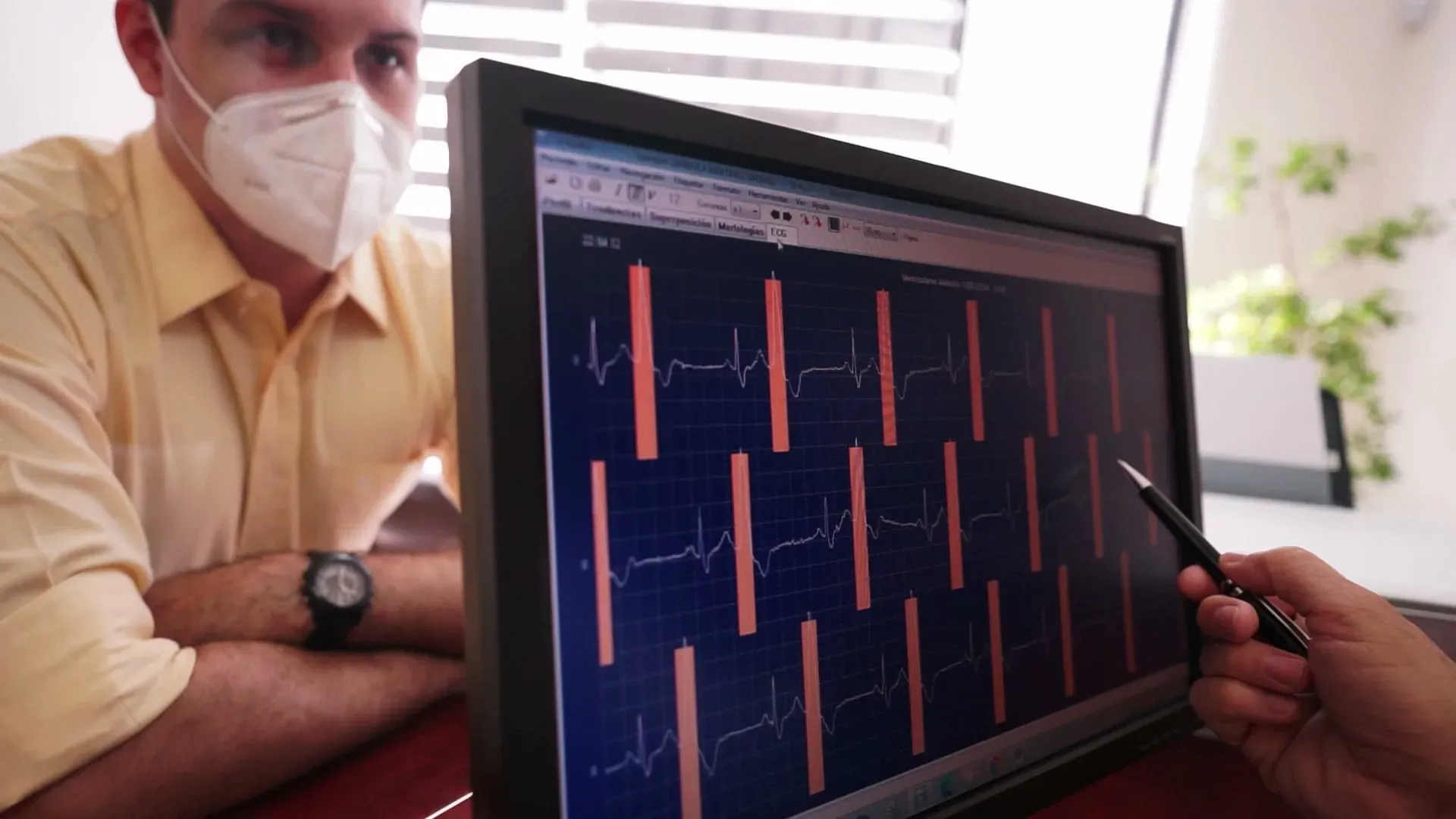
اختبار جهد القلب، المعروف أيضاً باختبار جهاز الجري أو ECG أثناء التمرين، أداة تشخيصية أساسية في طب القلب. يقيّم كيف يستجيب قلبك للمجهود البدني من خلال مراقبة مخطط القلب الكهربائي وضغط الدم ومعدل ضربات القلب بينما تمشي على جهاز الجري. يتبع الاختبار بروتوكول بروس، وهو طريقة معيارية تزيد تدريجياً من سرعة الجري والميل كل ثلاث دقائق.
الهدف الرئيسي لاختبار الجهد هو الكشف عن أمراض الشريان التاجي، وهي حالة تتراكم فيها اللويحات داخل الشرايين التي تغذي عضلة القلب بالدم. عندما تضيق هذه الشرايين بشكل ملحوظ، قد لا يحصل القلب على ما يكفيه من الدم الغني بالأكسجين أثناء التمرين، مما ينتج تغيرات مميزة في مخطط القلب.
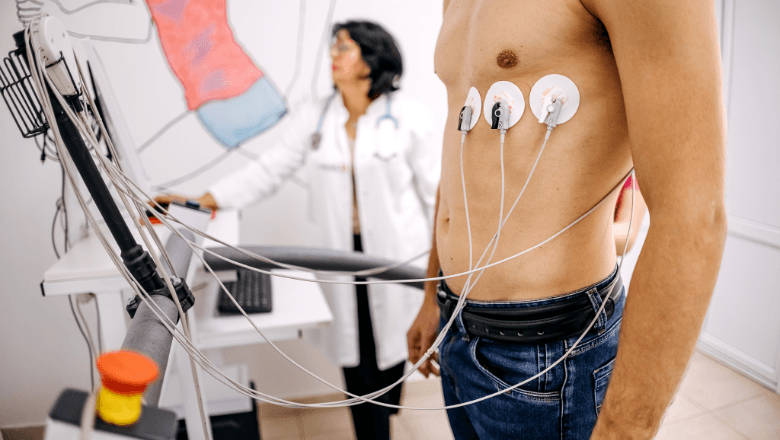
أثناء الاختبار، توضع أقطاب لاصقة صغيرة على صدرك لتسجيل النشاط الكهربائي لقلبك باستمرار. يضع الطبيب كفة ضغط الدم على ذراعك وتُؤخذ القراءات في كل مرحلة. يشرف طبيب القلب مباشرةً على الاختبار من البداية إلى النهاية.
تُفسَّر نتائج اختبار الجهد في سياق أعراضك وعوامل خطرك وتاريخك الطبي. النتيجة الطبيعية مطمئنة وتشير إلى تدفق دم كافٍ إلى القلب أثناء التمرين. النتيجة غير الطبيعية قد تتطلب مزيداً من الفحوصات كإيكو الجهد أو التصوير المقطعي للشريان التاجي.
الحالات التي يقيّمها اختبار الجهد
أمراض الشريان التاجي
يكشف انخفاض تدفق الدم من الشرايين التاجية المسدودة أو المضيقة أثناء التمرين
اضطرابات النظم الناجمة عن التمرين
يحدد ضربات القلب غير المنتظمة التي تحدث فقط أثناء المجهود البدني
الذبحة الصدرية
يقيّم أنماط آلام الصدر ويحدد ما إذا كانت ذات منشأ قلبي
أمراض صمامات القلب
يقيّم كيف تؤثر تشوهات الصمامات على وظيفة القلب تحت الضغط
الاستجابة فرط ضغط الدم للتمرين
يكشف الارتفاعات الشاذة في ضغط الدم أثناء التمرين التي تشير إلى مخاطر القلب والأوعية الدموية
التقييم بعد النوبة القلبية
يقيّم وظيفة القلب وتحمل التمرين بعد احتشاء عضلة القلب
مقالات ذات صلة
الوقاية من أمراض القلب في دبي
تعرف على الاستراتيجيات الاستباقية لحماية صحتك القلبية الوعائية وتقليل خطر النوبات القلبية.
خدمات أمراض القلب في دبي
دليل شامل لخدمات أمراض القلب المتاحة في DCDC.
تكلفة التصوير المقطعي للشريان التاجي في دبي
فهم تصوير الشريان التاجي بالتصوير المقطعي كأداة تشخيصية تكميلية بعد اختبار الجهد.
معنى اختبار الكالسيوم
كيف يكمّل قياس كالسيوم الشريان التاجي اختبار الجهد لتقييم المخاطر القلبية الوعائية.
خدمات ذات صلة
استكشف خدمات التشخيص والاستشارات الأخرى المتوفرة في عيادتنا بمدينة دبي الطبية.
الأسئلة الشائعة
أسئلة شائعة حول اختبار الجهد القلبي في دبي.
نقدم اختبار الجهد القلبي في مدينة دبي للرعاية الصحية. فريقنا من المتخصصين ذوي الخبرة متاح لإجراء فحص وإرشاد شاملين. تواصل معنا للمزيد من المعلومات.
تختلف المدة حسب كل حالة. سيُعلمك فريقنا مسبقاً بالوقت الدقيق المطلوب. تواصل معنا لحجز موعدك.
تغطي معظم خطط التأمين الكبرى في دبي اختبار الجهد القلبي. نقدم فوترة مباشرة مع أكثر من 20 شركة تأمين بما فيها دامان وAXA وبوبا. تواصل معنا للتحقق من تغطيتك.
سيزودك فريقنا بتعليمات تحضير محددة قبل موعدك. بشكل عام، نوصي بإحضار جميع أدويتك الحالية وسجلاتك الطبية ذات الصلة.
في DCDC، نقدم اختبار الجهد القلبي بفريق من المتخصصين ذوي الخبرة ومعدات حديثة ورعاية استثنائية للمرضى في مدينة دبي للرعاية الصحية. منشأتنا مرخصة من MOHAP وتتبع معايير سريرية صارمة.
يمكنك حجز موعد لـاختبار الجهد القلبي عبر الاتصال بـ +971 54 219 5008 أو من خلال نظام الحجز الإلكتروني. نوفر مواعيد مرنة بما فيها مواعيد في اليوم ذاته عند التوفر.
الحقائق الأساسية
المراجعة والإشراف الطبي
جميع الخدمات تقدم تحت إشراف متخصصين طبيين مرخصين في منشأتنا المعتمدة من وزارة الصحة.