النقاط الرئيسية
- تبدأ حقنة PRP للركبة في DCDC من AED 1,500 للجلسة، ويتراوح نطاق سوق دبي بين AED 1,500 و AED 4,000 حسب العيادة وطريقة التحضير وعدد الجلسات
- يستخدم PRP صفائح دمك الخاصة المركّزة بعوامل النمو لتحفيز إصلاح الغضاريف وتقليل الالتهاب في مفصل الركبة — دون أدوية تركيبية أو جراحة
- يستغرق الإجراء 30 إلى 60 دقيقة تشمل سحب الدم ومعالجة الطرد المركزي والحقن بتوجيه الموجات فوق الصوتية، ويعود المريض إلى منزله في نفس اليوم
- تظهر النتائج خلال 4 إلى 6 أسابيع مع عمل عوامل النمو على تعزيز التئام الأنسجة؛ ويشهد معظم المرضى المصابين بالتهاب الركبة خفيف إلى متوسط انخفاضاً ملحوظاً في الألم
- يجري الدكتور Mersad Moosavi في DCDC حقن PRP بتوجيه الموجات فوق الصوتية بخبرة تمتد أكثر من 14 عاماً في جراحة العظام، مع توفر التصوير بالرنين المغناطيسي في الموقع للتشخيص الدقيق وإمكانية الحجز في نفس اليوم
- قد يُغطى PRP بالتأمين حسب الحالة والخطة؛ ويتعامل DCDC مع أكثر من 20 شريكاً للتأمين ويقدم مساعدة في الفوترة المباشرة
إذا كنت تبحث عن تكلفة حقن PRP للركبة في دبي، فأنت تريد أسعاراً واضحة قبل الحجز. في DCDC (مركز عيادات الأطباء التشخيصي) بمدينة دبي الطبية، تبدأ معالجة PRP من AED 1,500 للجلسة — يُجريها الجراح العظمي الأخصائي المتدرب على زمالة الدكتور Mersad Moosavi باستخدام تقنية الحقن الموجّهة بالموجات فوق الصوتية. يقدم هذا الدليل تفصيلاً كاملاً للتكاليف، ويشرح العوامل المؤثرة في التسعير، ويقارن PRP ببدائل علاج الركبة الأخرى، ويغطي خيارات التأمين، ويوضح بدقة ما يحدث خلال جلسة العلاج.
أصبحت معالجة البلازما الغنية بالصفائح الدموية (PRP) واحدة من أكثر علاجات ألم الركبة غير الجراحية طلباً في دبي. سواء كنت تعاني من التهاب مفاصل مبكر، أو إصابة رياضية من البادل أو كرة القدم، أو تصلب مزمن في الركبة يزداد في البيئات المكيفة بعد النشاط الخارجي، يقدم PRP نهجاً بيولوجياً للشفاء يتجنب مخاطر الجراحة وقيود الكورتيزون. فيما يلي نبدأ بالأرقام حتى تتمكن من اتخاذ قرار مستنير.
تكلفة حقن PRP للركبة في دبي: أسعار 2026
يلخص الجدول أدناه أسعار حقن PRP للركبة في DCDC وعبر سوق دبي. جميع الأرقام تقريبية وقد تتفاوت بناءً على خطة علاجك المحددة.
| مكوّن العلاج | سعر DCDC | نطاق سوق دبي |
|---|---|---|
| حقن PRP للركبة (جلسة واحدة) | من AED 1,500 | AED 1,500 - 4,000 |
| باقة جلسات متعددة (3 جلسات) | متاح عند الاستشارة | AED 3,500 - 5,000 |
| استشارة جراحة العظام | من AED 250 | AED 250 - 600 |
| تصوير بالرنين المغناطيسي للركبة (عند الإشارة السريرية) | من AED 900 | AED 900 - 2,500 |
| الحقن بتوجيه الموجات فوق الصوتية (مشمول) | مشمول في رسوم PRP | AED 200 - 500 (إضافي في بعض العيادات) |
| استشارة المتابعة | من AED 150 | AED 150 - 400 |
مقارنة تكلفة حقن PRP للركبة في DCDC مقابل متوسط سوق دبي (2026). الأسعار تقريبية وتخضع للتقييم الفردي.
في DCDC، تشمل رسوم PRP الإجراء كاملاً: سحب الدم، ومعالجة الطرد المركزي، والحقن الموجّه بالموجات فوق الصوتية في مفصل الركبة. لا توجد رسوم خفية لتوجيه الحقن أو طقم التحضير. تفرض بعض العيادات في دبي رسوماً منفصلة لتوجيه الموجات فوق الصوتية أو تستخدم طريقة تحضير أساسية تُنتج تركيزاً أدنى من الصفائح الدموية — وكلا العاملين يؤثران على السعر المُعلَن.
العوامل المؤثرة في تكلفة حقن PRP للركبة
تتفاوت أسعار PRP بين عيادات دبي لأسباب وجيهة. فهم هذه العوامل يساعدك على مقارنة العروض بدقة بدلاً من الاختيار بناءً على السعر المُعلَن وحده.
طريقة تحضير PRP وتركيز الصفائح الدموية
ليست جميع حقن PRP متساوية. يعتمد تركيز الصفائح الدموية في الحقنة النهائية على نظام التحضير المستخدم. تُنتج تقنيات الطرد المركزي المزدوج تركيزات أعلى من الصفائح الدموية (عادةً 5-8 أضعاف القيمة الطبيعية) مقارنةً بالطرق الفردية (2-3 أضعاف). يعني التركيز الأعلى عموماً توصيل عوامل نمو أكثر إلى المفصل. يستخدم DCDC بروتوكول طرد مركزي مزدوج مُعتمَداً لضمان مستويات صفائح دموية علاجية في كل حقنة.
الأخصائي الذي يُجري الحقن
دقة حقن PRP مهمة للغاية في تحديد النتائج. الحقنة التي تُوضع بدقة في كبسولة المفصل أو الرباط المستهدف تُوصّل عوامل النمو إلى حيث تكون أشد الحاجة إليها. يُجري الدكتور Mersad Moosavi جميع حقن PRP للركبة في DCDC تحت توجيه الموجات فوق الصوتية في الوقت الفعلي، مما يضمن وصول البلازما إلى الهدف التشريحي الصحيح. قد يتقاضى الطبيب العام الذي يُجري الحقن دون توجيه تصويري رسوماً أقل، لكن الأبحاث تُظهر أن الحقن الموجّهة بالموجات فوق الصوتية تُحقق نتائج سريرية أفضل.
عدد الجلسات المطلوبة
يحقق بعض المرضى تحسناً ملموساً بعد جلسة PRP واحدة. بينما يستفيد آخرون — خاصة أولئك المصابون بالتهاب مفاصل متوسط أو سطوح مفصلية أكبر — من سلسلة من 2-3 حقن بفارق 4-6 أسابيع. تعتمد التكلفة الإجمالية على عدد الجلسات التي تتطلبها حالتك. يُقيّم الدكتور Mersad ركبتك بالفحص السريري والتصوير قبل توصيته بجلسة واحدة أو بروتوكول متعدد الجلسات.
موقع العيادة ومعايير المرفق
تعمل العيادات في مدينة دبي الطبية (DHCC) والمناطق الحرة المنظمة المماثلة وفق متطلبات ترخيص صارمة صادرة عن وزارة الصحة (MOHAP) والسلطة الصحية المعنية. تضمن هذه المعايير بيئات تحضير معقمة، وصيانة مُعايَرة لأجهزة الطرد المركزي، وكوادر طبية مؤهلة. حاصل DCDC على ترخيص MOHAP الكامل ويحتفظ بتقييم 4.8 من 5 على Google استناداً إلى أكثر من 1,000 مراجعة من المرضى — مما يعكس جودة متسقة في العلاج وتجربة المريض.
التغطية التأمينية لحقن PRP للركبة في دبي
تعتمد التغطية التأمينية لعلاج PRP في دبي على خطتك المحددة ومزود التأمين والمؤشر الطبي. إليك ما تحتاج معرفته:
- الحالات المُغطاة: تُغطي بعض خطط التأمين PRP عند وصفه من قبل أخصائي لحالات مشخّصة كالتهاب مفاصل الركبة، واعتلال الأوتار، أو إصابات الأربطة التي لم تستجب للعلاج المحافظ الأولي
- الموافقة المسبقة: تشترط معظم شركات التأمين الحصول على موافقة مسبقة قبل الإجراء. يتولى فريق إدارة DCDC هذه العملية ويوفر وثائق المبرر السريري
- الاستشارة والتصوير التشخيصي: عادةً ما تُغطى الاستشارة العظمية الأولية والتصوير التشخيصي (الرنين المغناطيسي، الموجات فوق الصوتية) ضمن مزايا العيادات الخارجية القياسية، مما يقلل تكلفتك الإجمالية من الجيب
- حالة الشبكة: يُعدّ DCDC ضمن شبكة أكثر من 20 مزود تأمين في الإمارات، ويقدم الفوترة المباشرة حتى لا تضطر للدفع مسبقاً والمطالبة بالتعويض
- خيار الدفع الذاتي: للمرضى الذين لا تُغطي تأميناتهم PRP، يقدم DCDC أسعاراً شفافة للدفع الذاتي تبدأ من AED 1,500 للجلسة بدون رسوم خفية
إذا لم تكن متأكداً من تغطية خطتك لـ PRP، اتصل بـ DCDC قبل موعدك. يمكن للفريق التحقق من مزاياك وتقديم تقدير بأي تكلفة من الجيب في نفس اليوم. للراغبين في استكشاف خيارات علاج آلام المفاصل في دبي بشكل أوسع، يساعدك فهم التغطية التأمينية عبر طرائق مختلفة في التخطيط الفعّال لمسار علاجك.
PRP مقابل علاجات الركبة البديلة: مقارنة التكلفة والفعالية
PRP واحد من عدة علاجات بالحقن متاحة لألم الركبة. يقارن الجدول أدناه PRP مع البدائل الشائعة من حيث التكلفة والآلية ومدة المفعول والملاءمة.
| العلاج | التكلفة لكل جلسة (AED) | الآلية | مدة المفعول | الأنسب لـ |
|---|---|---|---|---|
| حقن PRP | 1,500 - 4,000 | عوامل النمو المركّزة تحفز إصلاح الأنسجة وتقلل الالتهاب | 6 - 12+ شهراً | التهاب المفاصل الخفيف إلى المتوسط، إصابات الأوتار، التواء الأربطة |
| حقن الكورتيزون | 500 - 1,500 | الكورتيكوستيرويد الاصطناعي يقمع الالتهاب | 4 - 12 أسبوعاً | نوبات الالتهاب الحادة، الالتهاب الشديد، التخفيف المؤقت قبل العلاج الطبيعي |
| حمض الهيالورونيك (استبدال السائل الزليلي) | 1,200 - 3,000 | يُعيد لزوجة السائل المفصلي وخصائص التخميد | 6 - 12 شهراً | التهاب المفاصل المتوسط مع انخفاض السائل الزليلي |
| جراحة استبدال الركبة | 50,000 - 120,000 | استبدال أسطح المفصل التالفة بطرف اصطناعي | 15 - 25 سنة | التهاب المفاصل الشديد في المرحلة النهائية الذي استنفد جميع العلاجات المحافظة |
مقارنة علاجات ألم الركبة المتاحة في دبي (2026). التكاليف نطاقات تقريبية عبر السوق.
الميزة الرئيسية لـ PRP على الكورتيزون هي الشفاء البيولوجي مقابل قمع الأعراض. يقلل الكورتيزون الالتهاب بسرعة لكنه لا يُصلح الأنسجة وقد يُضعف الغضروف عند الاستخدام المتكرر. يستغرق PRP وقتاً أطول لإظهار النتائج (4-6 أسابيع مقابل أيام للكورتيزون) لكنه يُعزز التجديد الفعلي للأنسجة. للمرضى الذين يفكرون في ما إذا كان PRP سيُؤخر أو يُلغي الحاجة إلى جراحة استبدال الركبة، تُظهر الدراسات أن PRP يمكنه توفير تحسن ملموس لدى المرضى في درجات التهاب المفاصل من الدرجة الأولى إلى الثالثة.
ما المشمول في سعر حقن PRP للركبة في DCDC
الشفافية في التسعير أمر مهم. عند حجز علاج PRP للركبة في DCDC، تشمل رسوم جلستك (من AED 1,500):
- التقييم قبل الحقن: يراجع الدكتور Mersad نتائج التصوير ويؤكد ملاءمة PRP في يوم العلاج
- سحب الدم ومعالجته: سحب ما يقارب 20-60 مل من دمك من ذراعك ومعالجته في جهاز طرد مركزي طبي عبر بروتوكول الطرد المزدوج
- الحقن الموجّه بالموجات فوق الصوتية: تصوير بالموجات فوق الصوتية في الوقت الفعلي لتوجيه وضع الإبرة بدقة في مفصل الركبة أو البنية المحددة
- طقم تحضير PRP: طقم معقم للاستخدام مرة واحدة لفصل الدم (بدون مكونات قابلة لإعادة الاستخدام)
- المراقبة بعد الحقن: 15-20 دقيقة من المراقبة في العيادة قبل الخروج
- تعليمات الرعاية المكتوبة بعد العلاج: إرشادات النشاط، وقيود الأدوية، والعلامات التحذيرية التي يجب الانتباه إليها
- توجيهات المتابعة: جدولة تقييم المتابعة بعد 4-6 أسابيع لتقييم الاستجابة
البنود المنفصلة عن رسوم جلسة PRP تشمل الاستشارة العظمية الأولية (من AED 250) وأي تصوير تشخيصي مطلوب (رنين مغناطيسي للركبة من AED 900). ومع ذلك، إذا كان لديك تأمين، عادةً ما تُغطى الاستشارة والتصوير ضمن مزايا العيادات الخارجية القياسية.
هل حقن PRP للركبة يستحق التكلفة؟
تعتمد القيمة المقدَّمة من PRP على وضعك المحدد. إليك تقييم صريح لمتى يمثل PRP قيمة جيدة ومتى قد لا يكون الاستثمار المناسب.
PRP يُقدم قيمة عالية عندما
- تعاني من التهاب مفاصل الركبة الخفيف إلى المتوسط (Kellgren-Lawrence الدرجة الأولى إلى الثالثة) وتريد إبطاء التطور
- تمارس الرياضة بنشاط (البادل، كرة القدم، الجري، التدريب في الصالة) وتحتاج ركبتك إلى الأداء دون جراحة أو دواء مستمر
- قدّمت حقن الكورتيزون تخفيفاً قصير الأمد فحسب وتريد نهجاً بيولوجياً أطول أمداً
- تريد تأجيل جراحة استبدال الركبة أو تجنبها في المستقبل
- تعاني من تمزق جزئي في الغضروف الهلالي، أو التواء خفيف في رباط، أو اعتلال وتر الرضفة (ركبة القافز) قد يستجيب لتحفيز عوامل النمو
PRP قد لا يكون مناسباً عندما
- تعاني من التهاب مفاصل شديد في المرحلة النهائية مع فقدان كامل للغضروف (عظم على عظم) — PRP لا يستطيع تجديد غضروف اختفى كلياً
- تعاني من عدوى نشطة في الركبة أو اضطراب دموي جهازي
- تتوقع تخفيفاً فورياً للألم — يحتاج PRP إلى 4-6 أسابيع لتطوير آثاره البيولوجية
- ينتج عدم استقرار الركبة عن تمزق كامل لرباط يستلزم إعادة البناء الجراحي
الدكتور Mersad شفاف بشأن أهلية المريض. خلال استشارتك، يراجع نتائج التصوير والفحوصات السريرية لتحديد ما إذا كان PRP يملك فرصة معقولة لتحسين حالتك. إذا كان PRP غير مرجّح أن يُساعد، سيوصي بمسار علاجي أكثر ملاءمة بدلاً من المضي في علاج يستبعد أن يُعطي نتائج.
تحقق من أهليتك لـ PRP مع الدكتور Mersad Moosavi
اتصل بـ DCDC أو تواصل عبر واتساب لحجز استشارتك العظمية. سيُقيّم الدكتور Mersad ركبتك بالفحص السريري والتصوير، ويحدد ما إذا كان PRP مناسباً، ويقدم تقديراً شفافاً للتكلفة بناءً على خطة علاجك المحددة.
متوفر مواعيد في نفس اليوم. أكثر من 20 شريكاً للتأمين مع فوترة مباشرة. موقف سيارات مجاني في DCDC Healthcare City.
كيف تعمل حقن PRP للركبة: العلم وراءها
فهم الآلية البيولوجية يُساعد في تفسير سبب تكلفة PRP أعلى من حقنة الكورتيزون البسيطة ولماذا يستغرق وقتاً أطول لإنتاج النتائج. PRP ليس دواءً — بل هو تحضير مركّز من عوامل الشفاء الخاصة بك.
البيولوجيا الكامنة وراء البلازما الغنية بالصفائح الدموية
يحتوي الدم على صفائح دموية — شظايا خلوية تؤدي دوراً محورياً في إصلاح الأنسجة. عند إصابة الأنسجة، تتجمع الصفائح الدموية عند موقع الإصابة وتُطلق عوامل نمو تشمل عامل النمو المشتق من الصفائح الدموية (PDGF)، وعامل نمو التحويل بيتا (TGF-B)، وعامل نمو بطانة الأوعية الدموية (VEGF)، وعامل النمو الشبيه بالأنسولين (IGF-1). تُحفّز هذه الجزيئات تكاثر الخلايا وتوليف الكولاجين وتكوين أوعية دموية جديدة. يُركّز PRP هذه الصفائح الدموية إلى 5-8 أضعاف مستوياتها الطبيعية في الدم، موصّلاً جرعة فوق فيزيولوجية من عوامل النمو مباشرةً إلى أنسجة الركبة المصابة أو المتدهورة.
ما يفعله PRP داخل مفصل الركبة
- تقليل الالتهاب: تُعدّل عوامل النمو البيئة الالتهابية داخل المفصل، مما يقلل الإنزيمات الضارة بالغضروف (ميتالوبروتيناز) والسيتوكينات المُحفِّزة للالتهاب
- تحفيز نشاط خلايا الغضروف: تُنشَّط الخلايا الغضروفية (chondrocytes) لإنتاج مزيد من المصفوفة خارج الخلية، مما يُبطئ محتملاً تدهور الغضروف
- تعزيز جودة السائل الزليلي: يمكن لـ PRP تحسين لزوجة السائل المفصلي وخصائصه التزليلية
- دعم التئام الأوتار والأربطة: لبنى حول المفصل (وتر الرضفة، والأربطة الجانبية)، تُسرّع عوامل النمو إعادة تشكيل الكولاجين
ماذا تتوقع في DCDC: رحلتك مع حقن PRP للركبة
معرفة ما يحدث بالضبط خلال زيارتك يُقلل القلق ويُساعدك على الاستعداد. إليك تجربة المريض خطوة بخطوة في DCDC لعلاج PRP للركبة.
قبل موعدك
- أوقف أدوية مضادات الالتهاب (الإيبوبروفين، والنابروكسين، والديكلوفيناك) قبل أسبوع واحد على الأقل من الإجراء — هذه الأدوية تثبط وظيفة الصفائح الدموية وتقلل فعالية PRP
- يُسمح بالباراسيتامول (أسيتامينوفين) لإدارة الألم في الفترة السابقة للإجراء
- ابق جيد الترطيب يوم ما قبل العلاج وصباح يوم العلاج — الترطيب الجيد يُحسّن جودة سحب الدم
- ارتدِ ملابس فضفاضة تُتيح سهولة الوصول إلى ركبتك وذراعك
- رتّب لوجود شخص يُوصلك إلى المنزل إن أردت، رغم أن معظم المرضى يقودون بأنفسهم
خلال زيارتك (30-60 دقيقة إجمالاً)
- تسجيل الوصول والتحضير (5 دقائق): تصل إلى DCDC في مدينة دبي الطبية (موقف سيارات مجاني متاح). متوسط وقت الانتظار 15 دقيقة أو أقل
- سحب الدم (5 دقائق): تسحب ممرضة ما يقارب 20-60 مل من دمك من وريد الذراع — مشابه لاختبار الدم الاعتيادي
- معالجة الطرد المركزي (15-20 دقيقة): يُوضع دمك في جهاز طرد مركزي طبي يفصله إلى طبقات. تُستخرج الطبقة الغنية بالصفائح الدموية في محقنة معقمة
- الحقن الموجّه بالموجات فوق الصوتية (5-10 دقائق): يستخدم الدكتور Mersad تصوير الموجات فوق الصوتية لرؤية مفصل ركبتك في الوقت الفعلي، ثم يوجّه الإبرة نحو الهدف المحدد بدقة. قد تشعر بضغط قصير أو انزعاج خفيف لكن الإجراء يُتحمَّل جيداً دون تخدير عام
- الراحة بعد الحقن (15-20 دقيقة): تبقى في العيادة فترة قصيرة بينما يؤكد الفريق عدم وجود تفاعل فوري سلبي
بعد حقن PRP
- الأيام 1-3: تورم خفيف ودفء في الركبة أمر طبيعي ومتوقع — هذه هي مرحلة الالتهاب في الشفاء. ضع الثلج لمدة 15-20 دقيقة عند الحاجة. تجنب مضادات الالتهاب لأنها تُعاكس آلية PRP
- الأيام 3-7: يتراجع التورم. تُشجَّع على المشي الخفيف وتمارين المدى الحركي اللطيفة. تجنب الأنشطة عالية التأثير والرفع الثقيل والوقوف المطوّل
- الأسابيع 2-4: عودة تدريجية إلى الأنشطة الطبيعية. قد تلاحظ تحسناً تدريجياً في الألم والتصلب
- الأسابيع 4-6: تظهر النتائج مع تقدم الشفاء البيولوجي. متابعة مع الدكتور Mersad لتقييم الاستجابة ومناقشة الخطوات التالية
العلاج كله إجراء خارجي في جلسة واحدة. لا يوجد دخول إلى المستشفى، ولا تخدير عام، ولا شق جراحي. يعود معظم المرضى إلى العمل المكتبي في اليوم التالي ويستأنفون الرياضة في غضون 1-2 أسبوع. للمرضى الذين يُديرون مشاكل الركبة إلى جانب مخاوف أخرى، يمكن لـ فحص الرنين المغناطيسي للركبة توفير تصوير تفصيلي لحالة الغضروف والغضروف الهلالي والأربطة لتوجيه قرارات العلاج.
من هو المرشح الجيد لحقن PRP للركبة؟
PRP الأكثر فعالية لحالات الركبة وملفات المرضى المحددة. يُقيّم الدكتور Mersad المعايير التالية خلال استشارتك:
- التهاب مفاصل الركبة (الدرجة الأولى إلى الثالثة): يُظهر المرضى المصابون بترقق الغضروف أو فقدانه الجزئي دون تدهور كامل عظم على عظم أقوى استجابة لـ PRP
- تمزقات الغضروف الهلالي (جزئية، تنكسية): قد تستفيد التمزقات التنكسية الصغيرة التي لا تتطلب إصلاحاً جراحياً من تحفيز PRP للالتئام
- اعتلال وتر الرضفة (ركبة القافز): شائع في سكان دبي النشيطين — لاعبو البادل، والعدّاؤون، ومرتادو الصالات الرياضية — هذه الحالة الوترية تستجيب جيداً لعلاج عوامل النمو
- التواء الأربطة (الدرجة الأولى والثانية): تمزقات جزئية في الرباط الجانبي الإنسي أو أربطة الركبة الأخرى حيث لا تكون الجراحة مُشاراً إليها
- دعم الشفاء بعد الجراحة: يمكن لـ PRP تكميل التعافي بعد جراحة منظار الركبة أو إصلاح الغضروف الهلالي
- المرضى النشيطون الراغبون في بدائل الجراحة: الرياضيون وهواة اللياقة البدنية الراغبون في مواصلة التدريب دون توقف جراحي
العمر ليس عاملاً محدوداً أساسياً. يمكن للمرضى من عقدهم الثالث (إصابات رياضية، تآكل مبكر) حتى السبعين (التهاب مفاصل تنكسي) الاستفادة من PRP إذا كانت حالتهم تقع ضمن طيف القابلية للعلاج. للمرضى المصابين بالتهاب مفاصل أكثر تقدماً، قد يوصي الدكتور Mersad بنهج مشترك يشمل PRP وإدارة التهاب المفاصل بالعلاج الطبيعي وتعديل النشاط قبل النظر في الخيارات الجراحية.
الأدلة السريرية: ما مدى فعالية PRP لالتهاب مفاصل الركبة؟
نما الدليل العلمي لـ PRP في التهاب مفاصل الركبة بشكل ملحوظ. إليك ملخص ما تُظهره الأبحاث:
- وجد تحليل تلوي نُشر عام 2021 في المجلة الأمريكية لطب الرياضة يغطي 30 تجربة معشاة ذات شواهد أن PRP وفّر تخفيفاً أكبر للألم وتحسناً وظيفياً أعمق مقارنةً بحمض الهيالورونيك والعلاج الوهمي عند 6 و12 شهراً
- خلص مراجعة منهجية في المجلة البريطانية لطب الرياضة (2023) إلى أن PRP الفقير في الكريات البيض أظهر أكثر الفوائد اتساقاً لالتهاب مفاصل الركبة، مع تحسينات مستدامة في درجات الألم حتى 12 شهراً
- وجدت التجربة المعشاة المضبوطة RESTORE (2021) أن PRP لم يُظهر تفوقاً على الغسول الملحي الوهمي لالتهاب الركبة المتوسط في تجربة واحدة كبيرة، إلا أن تحليل المجموعات الفرعية أشار إلى نتائج أفضل لدى المرضى ذوي المرض الأقل حدة (KL الدرجة الثانية)
- أشارت مراجعة كوكرين 2022 إلى دليل متوسط اليقين على أن PRP يقلل الألم مقارنةً بالعلاج الوهمي حتى 12 شهراً، مع تحفظ على أن طرق التحضير المثلى ومعايير اختيار المرضى لا تزال تُحسَّن
- تُظهر دراسات المتابعة طويلة الأمد استمرار مفعول PRP 12-18 شهراً لدى المستجيبين، مقارنةً بـ 8-12 أسبوعاً لحقن الكورتيزون
يُفسّر الدكتور Mersad هذه الأدلة بواقعية: PRP يعمل بشكل جيد للمريض المناسب ذي المؤشر الصحيح. إنه ليس حلاً شاملاً لجميع آلام الركبة، لكن للمرضى المختارين بعناية المصابين بالتهاب مفاصل خفيف إلى متوسط أو إصابات وترية، تدعم الأدلة فائدة سريرية ملموسة مع ملف أمان ممتاز.
نهج الدكتور Mersad Moosavi في PRP والعلاج المحافظ للركبة
يُقدّم الدكتور Mersad Moosavi خبرة جراحية عظمية تمتد أكثر من 14 عاماً وزمالة في جراحة العمود الفقري من جامعة طهران للعلوم الطبية. يعكس نهجه في حالات الركبة فلسفةً مفادها أن الجراحة يجب أن تكون الملاذ الأخير لا التوصية الأولى.
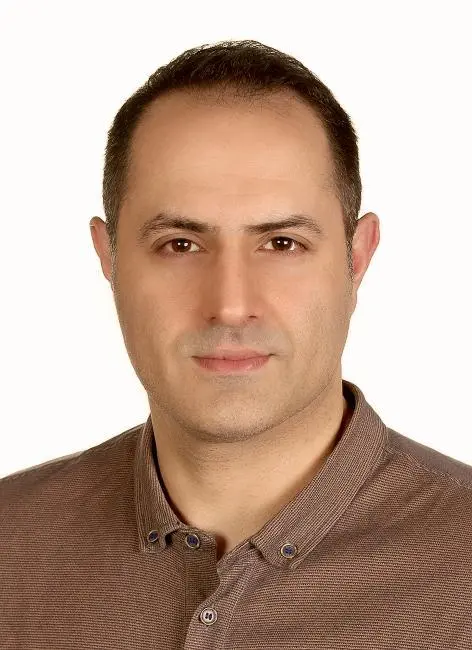
Specialist Orthopaedic Surgeon
English, Persian (Farsi)
الدكتور Mersad Moosavi جراح عظمي أخصائي في DCDC بمدينة دبي الطبية، حاصل على تدريب زمالة في جراحة العمود الفقري من جامعة طهران للعلوم الطبية. بخبرة سريرية تتجاوز 14 عاماً وأكثر من 20 منشوراً دولياً، يقدم رعاية عضلية هيكلية قائمة على الأدلة تشمل علاج PRP وحقن المفاصل والإدارة المحافظة لحالات الركبة.
يتبع اتخاذ قراره السريري لآلام الركبة مساراً منظماً: التشخيص الدقيق أولاً (الفحص السريري مع التصوير)، ثم العلاج التدريجي بدءاً من الخيار الأقل تدخلاً والأكثر فعالية. بالنسبة لكثير من المرضى، يعني هذا العلاج الطبيعي وتعديل النشاط كأساس، ثم تقديم PRP عند الحاجة إلى دعم بيولوجي إضافي للشفاء. يُحتفظ بالكورتيزون للنوبات الحادة التي تمنع المشاركة في إعادة التأهيل. لا تُوصى الجراحة إلا عندما تُظهر الأدلة بوضوح أن الإجراءات المحافظة قد استُنفدت.
هذا النهج وثيق الصلة بسكان دبي النشيطين. لاعبو البادل وكرة القدم في عطلات نهاية الأسبوع، وهواة الصالات الرياضية المشاركون في برامج تدريب عالية الشدة، والعدّاؤون الذين يقطعون كيلومترات في الأشهر الأكثر برودة، كلهم يُعانون من آلام الركبة التي تستجيب بشكل جيد للمناهج التجديدية. كثير من هؤلاء المرضى في عقدهم الثالث والرابع — أصغر من أن يحتاجوا إلى استبدال المفصل لكنهم بحاجة إلى أكثر من مجرد الراحة ومسكنات الألم. PRP يسد هذه الفجوة العلاجية بفعالية.
وقت التعافي من حقن PRP للركبة والعودة إلى النشاط
إحدى مزايا PRP على الخيارات الجراحية هي الحد الأدنى من التوقف. إليك جدول زمني واقعي للتعافي:
| الوقت بعد الحقن | مستوى النشاط | الإرشادات |
|---|---|---|
| اليوم 0 (يوم الحقن) | الراحة | عد إلى المنزل، ارفع الركبة، ضع الثلج عند الحاجة. تجنب القيادة إذا أردت |
| الأيام 1-3 | حركة خفيفة | يُسمح بالمشي الخفيف. تجنب الدرج بإفراط. التورم الخفيف طبيعي |
| الأيام 4-7 | الأنشطة اليومية الاعتيادية | العودة إلى العمل المكتبي والأعمال المنزلية الخفيفة والمشي القصير. بدون صالة رياضية أو رياضة |
| الأسابيع 2-3 | تحميل تدريجي | ركوب الدراجة الثابتة والسباحة وتمارين المقاومة اللطيفة. بدون جري أو قفز |
| الأسابيع 4-6 | العودة إلى الرياضة (تدريجياً) | عودة تدريجية للجري والبادل وتدريب كرة القدم. استمع لإشارات جسمك |
| الأسابيع 6+ | نشاط كامل | يستأنف معظم المرضى نشاطهم الكامل. تقييم متابعة مع الدكتور Mersad لتأكيد التقدم |
جدول التعافي من حقن PRP للركبة. يتفاوت التعافي الفردي بحسب شدة الحالة والاستجابة للعلاج.
قارن هذا بالتعافي من جراحة استبدال الركبة (3-6 أشهر) أو حتى جراحة منظار الركبة (4-8 أسابيع)، وستتضح جاذبية PRP للأفراد النشيطين. لن تخسر موسم تدريبك بسبب حقنة PRP.
احجز استشارة PRP للركبة في DCDC
يقدم الدكتور Mersad Moosavi مواعيد في نفس اليوم في DCDC Healthcare City. احصل على تشخيص دقيق بالرنين المغناطيسي في الموقع، وتقدير شفاف للتكلفة، وخطة علاجية مُخصّصة — كل ذلك في زيارة واحدة.
مفتوح من السبت إلى الخميس من 8 صباحاً حتى 10 مساءً. اتصل أو تواصل عبر واتساب للحجز. موقف سيارات مجاني متاح.
كم عدد جلسات PRP التي تحتاجها لألم الركبة؟
يعتمد عدد جلسات PRP على تشخيصك وشدة حالتك واستجابتك للعلاج. إليك الإرشادات العامة التي يتبعها الدكتور Mersad:
- جلسة واحدة: غالباً ما تكفي لالتهاب المفاصل الخفيف (KL الدرجة الأولى والثانية)، واعتلال الأوتار، والتواء الأربطة الجزئي. يقدم DCDC علاج PRP بجلسة واحدة
- جلستان (بفارق 4-6 أسابيع): موصى به لالتهاب المفاصل المتوسط أو المفاصل الأكبر حيث تكون الاستجابة الأولية جزئية لكن واعدة
- ثلاث جلسات (بروتوكول متسلسل): يُستخدم لتدهور الغضروف المتوسط إلى المتقدم (KL الدرجة الثانية إلى الثالثة) حيث يُرغب في أقصى تحفيز بيولوجي. باقات الجلسات المتعددة (نطاق السوق AED 3,500-5,000 لـ 3 جلسات) توفر وفراً في تكلفة كل جلسة
- صيانة سنوية: يستفيد بعض المرضى المصابين بحالات مزمنة من حقنة تعزيزية سنوية واحدة للحفاظ على النتائج
يبدأ الدكتور Mersad عادةً بجلسة واحدة ويُقيّم استجابتك في متابعة الأسبوع 4-6. يتجنب هذا النهج المبني على الأدلة الالتزام بجلسات متعددة قبل معرفة ما إذا كان جسمك يستجيب بشكل إيجابي لعلاج PRP. إذا كنت تستكشف PRP إلى جانب علاجات أخرى، فإن فهم كيف يعمل علاج PRP في تطبيقات أخرى يُوضح تعدد استخدامات هذا النهج العلاجي القائم على الصفائح الدموية.
لماذا تختار DCDC لحقن PRP للركبة في دبي؟
عدة عوامل تُميّز علاج PRP في DCDC عن غيره من العيادات في دبي:
- يُجريه أخصائي: يُقدّم حقن PRP الدكتور Mersad Moosavi (جراح عظمي، خبرة 14+ عاماً) — لا يُفوَّض لممرض أو طبيب عام
- دقة الحقن الموجّه: كل حقنة في الركبة تُجرى تحت تصوير الموجات فوق الصوتية في الوقت الفعلي لضمان الدقة في الوضع
- تصوير تشخيصي في الموقع: الرنين المغناطيسي والموجات فوق الصوتية متاحة في نفس المرفق لتقييم شامل للركبة قبل العلاج
- مرفق مُرخَّص من MOHAP: امتثال تنظيمي كامل في مدينة دبي الطبية
- أسعار شفافة: من AED 1,500 للجلسة بدون رسوم خفية للتوجيه أو التحضير
- دعم التأمين: أكثر من 20 شريكاً للتأمين، وفوترة مباشرة، ومساعدة في الموافقة المسبقة
- تقييم المرضى: تقييم 4.8 من 5 على Google من أكثر من 1,000 مراجعة تعكس معايير رعاية متسقة
- وصول مريح: مفتوح من السبت إلى الخميس 8 صباحاً – 10 مساءً، مواعيد في نفس اليوم، متوسط وقت انتظار 15 دقيقة، موقف سيارات مجاني
- مسار رعاية متكامل: من التشخيص (الرنين المغناطيسي) إلى العلاج (PRP) إلى إعادة التأهيل (الإحالة للعلاج الطبيعي) — كل ذلك تحت سقف واحد
التحضير لموعد PRP: قائمة التحقق
- أوقف جميع مضادات الالتهاب غير الستيرويدية (NSAIDs) قبل 7 أيام على الأقل من إجراءك
- واصل الباراسيتامول عند الحاجة لإدارة الألم
- أحضر أي تصوير للركبة موجود (رنين مغناطيسي، أشعة سينية) أو تقارير جراحية من مزودين آخرين
- أحضر بطاقة التأمين وبطاقة الهوية الإماراتية للتسجيل والموافقة المسبقة
- اشرب كميات كافية من الماء يوم ما قبل وصباح يوم موعدك
- ارتدِ شورتاً أو بنطالاً فضفاضاً يُتيح الوصول إلى ركبتك
- خطط لما يقارب 60-90 دقيقة من الوقت الإجمالي للزيارة (من الاستشارة إلى المراقبة بعد الحقن)
- رتّب لأنشطة خفيفة طوال بقية اليوم بعد الحقن
خدمات ذات صلة في DCDC
رعاية متخصصة وتشخيص متقدم في مدينة دبي الطبية
الأسئلة الشائعة
الخلاصة
تمثل حقنة PRP للركبة منطقة وسطى بين عدم فعل شيء وإجراء جراحة. للمرشح المناسب — التهاب مفاصل خفيف إلى متوسط، أو إصابة في الوتر، أو التواء في الرباط — تقدم محفزاً للشفاء البيولوجي لا يستطيع الكورتيزون توفيره، بجزء من تكلفة ووقت التعافي من البدائل الجراحية. في DCDC، تبدأ الأسعار من AED 1,500 للجلسة مع شمول شفاف للتوجيه بالموجات فوق الصوتية والإدارة من قبل الأخصائي.
أهم خطوة هي التشخيص الدقيق. ليس كل ألم ركبة يستفيد بالتساوي من PRP. يحدد التقييم العظمي الخبير الذي يشمل الفحص السريري والتصوير المناسب (رنين مغناطيسي أو موجات فوق صوتية) ما إذا كان PRP سيُساعد حالتك المحددة. يوفر الدكتور Mersad Moosavi هذا التقييم في DCDC مع إمكانية الاستشارة في نفس اليوم والتصوير في الموقع والتوجيه السريري الصادق بشأن النتائج المتوقعة.
إذا كنت تفكر في PRP لركبتك، احجز استشارة في DCDC Healthcare City. أحضر أي تصوير موجود، أعدّ أسئلتك بشأن التكلفة وتغطية التأمين، واحصل على توصية مُخصّصة مبنية على الأدلة لا على التسويق. سواء كان PRP أو العلاج الطبيعي أو العلاج بالحقن أو مزيج منها هو المناسب لك — الهدف دائماً هو العلاج الذي يُعيدك إلى حياة نشطة ومريحة بأقل قدر ضروري من التدخل.
المصادر والمراجع
تمت مراجعة هذا المقال من قبل فريقنا الطبي ويستند إلى المصادر التالية:
- Belk JW, et al. Platelet-Rich Plasma Versus Hyaluronic Acid for Knee Osteoarthritis: A Systematic Review and Meta-Analysis. American Journal of Sports Medicine. 2021;49(1):249-260.
- Bennell KL, et al. Effect of Intra-articular Platelet-Rich Plasma vs Placebo Injection on Pain and Medial Tibial Cartilage Volume in Patients With Knee Osteoarthritis: The RESTORE Randomized Clinical Trial. JAMA. 2021;326(20):2021-2030.
- Hohmann E, et al. Platelet-Rich Plasma versus Hyaluronic Acid Injections for Knee Osteoarthritis: A Systematic Review and Network Meta-Analysis. British Journal of Sports Medicine. 2023;57(22):1453-1463.
- Defined C, et al. Platelet-rich plasma for knee osteoarthritis. Cochrane Database of Systematic Reviews. 2022;(7):CD010071.
- American Academy of Orthopaedic Surgeons (AAOS). Platelet-Rich Plasma (PRP) Treatment Information.
يتم مراجعة المحتوى الطبي على هذا الموقع من قبل أطباء مرخصين من هيئة الصحة. اطلع على سياستنا التحريرية لمزيد من المعلومات.
كتبه
Dr. Mersad Moosavi
أخصائي جراحة العظام، جراحة العمود الفقري
دكتوراه في الطب، زمالة جراحة العمود الفقري
الدكتور Mersad Moosavi جراح عظمي أخصائي في DCDC بمدينة دبي الطبية، حاصل على تدريب زمالة من جامعة طهران للعلوم الطبية. بخبرة سريرية تتجاوز 14 عاماً وأكثر من 20 منشوراً دولياً، يتخصص في الرعاية العضلية الهيكلية القائمة على الأدلة بما فيها علاج PRP وحقن المفاصل وحالات العمود الفقري والإدارة المحافظة لاضطرابات الركبة والمفاصل.
مقالات ذات صلة
علاج آلام المفاصل في دبي: الأسباب والتخفيف
رنين مغناطيسي للركبة في دبي: ما يكشفه والتكلفة
التهاب المفاصل: دليل إدارة العلاج الطبيعي
جراحة استبدال الركبة في دبي: التكلفة والتعافي وأفضل جراح
علاج PRP لتساقط الشعر في دبي: التكلفة والنتائج
المزيد في Orthopedics
Sciatica Causes & Symptoms in Dubai (2026)
اقرأ المزيد
Gym Injuries Dubai: Prevention & Recovery (2026)
اقرأ المزيد
Chronic Pain Management Dubai: Guide (2026)
اقرأ المزيد
Achilles Tendonitis Treatment in Dubai (2026)
اقرأ المزيد
Spinal Stenosis vs Herniated Disc Dubai (2026)
اقرأ المزيدWrist Pain Causes Dubai: When to Worry (2026)
اقرأ المزيد© 2026 Doctors Clinic Diagnostic Center (DCDC), Dubai Healthcare City. Originally published at https://doctorsclinicdubai.ae/blog/prp-injection-knee-pain-dubai. All rights reserved. Unauthorized reproduction is prohibited.