النقاط الرئيسية
- تمزق الغضروف الهلالي هو الإصابة الأكثر شيوعًا في الركبة، مع علاج أكثر من مليون حالة سنويًا حول العالم، ويمكن أن يحدث أثناء ممارسة الرياضة أو الأنشطة اليومية أو بمجرد التآكل المرتبط بالعمر
- العلامات الخمس المميزة هي: ألم على خط مفصل الركبة، والانتفاخ في غضون 24 ساعة، والإحساس بالالتقاط أو الانقفال، والشعور بطقطقة، وعدم القدرة على تمديد الركبة بالكامل
- لا يستلزم كل تمزق في الغضروف الهلالي جراحة: تستجيب 60-70% من التمزقات استجابةً جيدة للعلاج التحفظي الذي يشمل العلاج الطبيعي وحقن PRP وتعديل النشاط
- يُعدّ MRI المعيار الذهبي للتشخيص بدقة تتجاوز 95%. يوفر DCDC جهاز MRI سيمنز 1.5 تسلا في الموقع مع قراءة طبيب أشعة متخصص في MSK ونتائج في 18-24 ساعة
- يستغرق التعافي من العلاج غير الجراحي 4-8 أسابيع، بينما يتراوح التعافي بعد الجراحة بالمنظار بين 4 أسابيع (استئصال جزئي) و3-6 أشهر (إصلاح الغضروف الهلالي)
- يوفر علاج PRP من AED 1,500 في DCDC خيارًا تجديديًا يمكنه تسريع الشفاء وتقليل الحاجة للجراحة لدى المرشحين المناسبين
- تغطي معظم خطط التأمين علاج تمزق الغضروف الهلالي. يتشارك DCDC مع أكثر من 20 شركة تأمين بما فيهم Daman وAXA وBupa للفوترة المباشرة
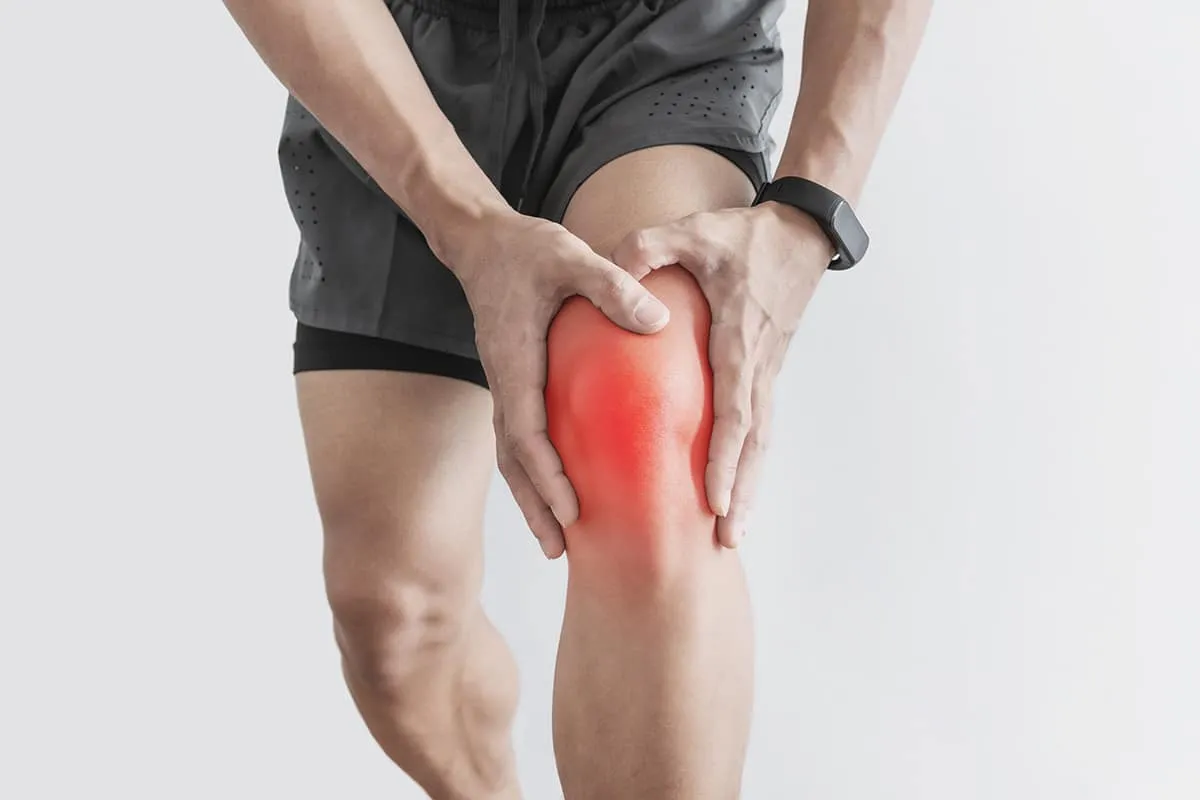
التوت ركبتك في ملعب البادل، وسمعت صوت طقطقة، والآن تنتفخ ركبتك في كل مرة تحاول ثنيها بالكامل. أو ربما تشعر بتيبس متزايد والتقاط في ركبتك منذ أشهر دون إصابة واضحة. كلا السيناريوين قد يشيران إلى تمزق في الغضروف الهلالي، وهو الإصابة الأكثر شيوعًا في الركبة لدى جراحي العظام حول العالم. تقدم خدمة إدارة آلام المفاصل في مركز الأطباء التشخيصي العيادي (DCDC) بمدينة دبي الطبية تقييمًا في اليوم نفسه وتصوير MRI داخل المركز ونهجًا علاجيًا يُقدّم العلاج التحفظي أولًا لتمزقات الغضروف الهلالي، مع توفر استشارات جراحة العظام من AED 300.
يشرح هذا الدليل ما هو تمزق الغضروف الهلالي، والعلامات الرئيسية التي ينبغي مراقبتها، وكيفية تشخيصه، وطيف العلاجات المتاحة في دبي — من العلاج الطبيعي وحقن PRP وصولًا إلى الجراحة بالمنظار. كُتب هذا الدليل بمشاركة الدكتور مرساد موسوي، جراح العظام في DCDC ذو الخبرة السريرية التي تتجاوز 14 عامًا وأكثر من 20 منشورًا دوليًا في جراحة العمود الفقري والمفاصل، والذي يتبع فلسفة تقديم العلاج التحفظي أولًا: استنفاد الخيارات غير الجراحية قبل التوصية بأي إجراء.





ما هو تمزق الغضروف الهلالي؟
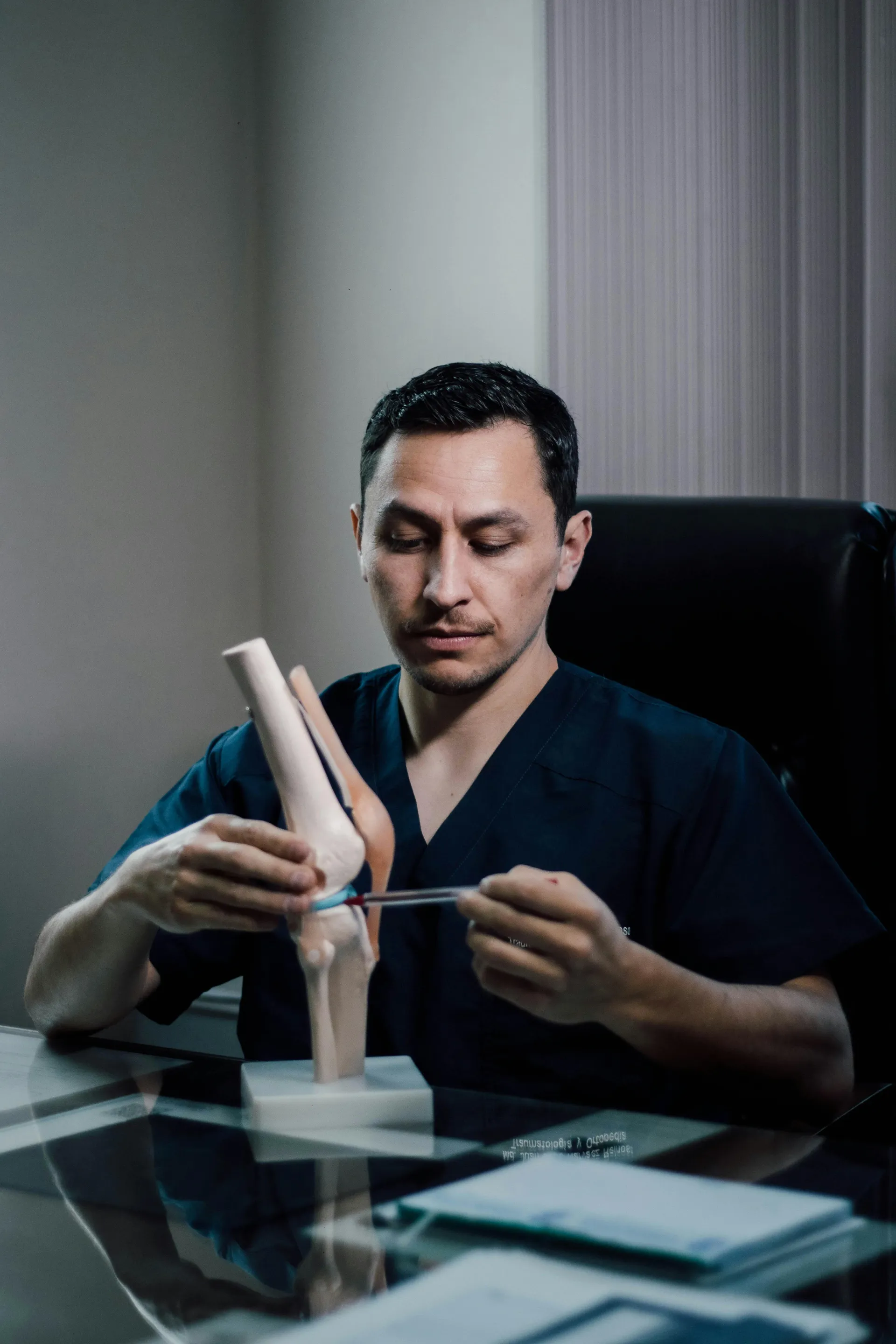
تحتوي كل ركبة على وسادتين من الغضروف على شكل حرف C تُسمّيان الغضروفين الهلاليين. يقع الغضروف الهلالي الإنسي على الجانب الداخلي من الركبة والغضروف الهلالي الجانبي على الجانب الخارجي. ويعملان معًا كممتصَّين للصدمات بين عظم الفخذ وعظمة الساق، موزّعَين الحمل بالتساوي عبر المفصل وداعمَين للثبات ومساعدَين على تزليق الأسطح الغضروفية أثناء الحركة.
يحدث تمزق الغضروف الهلالي عندما يتلف هذا الغضروف إثر إصابة التوائية مفاجئة أو بسبب تآكل تدريجي بمرور الوقت. وفقًا للأكاديمية الأمريكية لجراحي العظام والمفاصل (AAOS)، تُعدّ تمزقات الغضروف الهلالي من أكثر إصابات العظام علاجًا، إذ يُشخَّص منها أكثر من مليون حالة سنويًا في الولايات المتحدة وحدها. والإصابة لا تقل شيوعًا للفرد في دبي بالنظر إلى ارتفاع معدلات المشاركة في رياضات كالكرة والبادل والجري وCrossFit.
يهم فهم التشريح لاتخاذ قرارات العلاج لأن الغضروف الهلالي يمتلك منطقتين متمايزتين في إمداد الدم. يتمتع الثلث الخارجي (المنطقة الحمراء) بتروية دموية جيدة ويمكنه في الغالب الشفاء من تلقاء نفسه أو بعد الإصلاح الجراحي. أما الثلثان الداخليان (المنطقة البيضاء) فيفتقران إلى الإمداد الدموي، مما يعني أن التمزقات في هذه المنطقة تشفى بصعوبة وقد تستوجب استئصال الجزء التالف بدلًا من إصلاحه.
الأسباب الشائعة لتمزق الغضروف الهلالي في دبي
تندرج تمزقات الغضروف الهلالي في فئتين عريضتين بحسب آلية حدوثها، ويتمثل كلا النوعين بوضوح لدى السكان الناشطين في دبي.
التمزقات الحادة (الرضحية)
تحدث هذه التمزقات فجأة إثر حركة معينة أو حادثة بعينها. الآلية الكلاسيكية هي التواء قسري أو محور على قدم ثابتة، وهو أمر شائع في كرة القدم والسلة والبادل والتنس والتزلج. كما يمكن للقرفصاء العميق تحت حمل ثقيل خلال رفع الأثقال أو CrossFit أن يُمزّق الغضروف الهلالي. لدى المرضى الأصغر سنًا والأكثر نشاطًا، تكون التمزقات الرضحية هي النوع الأكثر شيوعًا بفارق كبير، وغالبًا ما تقترن بألم فوري وانتفاخ سريع.
التمزقات التنكسية
لدى المرضى فوق سن الأربعين، يصبح الغضروف الهلالي أقل مرونة وأكثر هشاشة. يمكن أن يتطور التمزق التنكسي من شيء بسيط كالقرفصاء لالتقاط البقالة، أو الخروج من السيارة، أو صعود الدرج. أحيانًا لا يكون ثمة حدث محدد على الإطلاق. تُظهر دراسات MRI أن التمزقات التنكسية في الغضروف الهلالي موجودة لدى ما يصل إلى 35% من الأشخاص فوق سن الخمسين، كثيرون منهم لا يعانون أي أعراض. ولهذا يكتسب الترابط السريري بين نتائج التصوير والأعراض أهمية بالغة في قرارات العلاج.
عوامل خطر خاصة بدبي
- نمط المحارب في عطلة نهاية الأسبوع: العمل المكتبي الخامل طوال الأسبوع يعقبه ممارسة رياضة مكثفة في نهاية الأسبوع يزيد خطر الإصابة لأن العضلات والمفاصل لا تكون مُهيَّأة بشكل كافٍ
- صلابة أسطح الملاعب: تعتمد كثير من ملاعب كرة القدم والبادل في دبي على العشب الصناعي أو الملاعب الصلبة التي تُضاعف الضغط الدوراني على الركبة
- ذروة النشاط الموسمي: تشهد الأشهر الأبرد (أكتوبر إلى مارس) ارتفاعاً حاداً في المشاركة الرياضية الخارجية، ونلاحظ في عيادتنا زيادة موازية في إصابات الركبة خلال هذه الفترة
- الجري في أجواء تُجهد المفاصل: ممارسة الرياضة في درجات حرارة مرتفعة قد تُفضي إلى جفاف وضعف في استجابة العضلات، مما يُعرّض المفاصل لحركات غير محكمة تحت الحمل
5 علامات رئيسية تدل على تمزق الغضروف الهلالي
قد تتفاوت أعراض تمزق الغضروف الهلالي بحسب نوع التمزق وموضعه وشدته. يعاني بعض المرضى أعراضًا فورية وحادة إثر إصابة التوائية، بينما يلاحظ آخرون ظهورًا تدريجيًا للمشاكل على مدار أيام أو أسابيع. وفقًا لمايو كلينك والـ AAOS، فإن العلامات الخمس التالية هي أكثر المؤشرات موثوقية على تمزق الغضروف الهلالي. للاطلاع على نظرة أشمل حول مشاكل الركبة، راجع دليلنا حول علاج آلام المفاصل في دبي.
1. الألم على امتداد خط المفصل
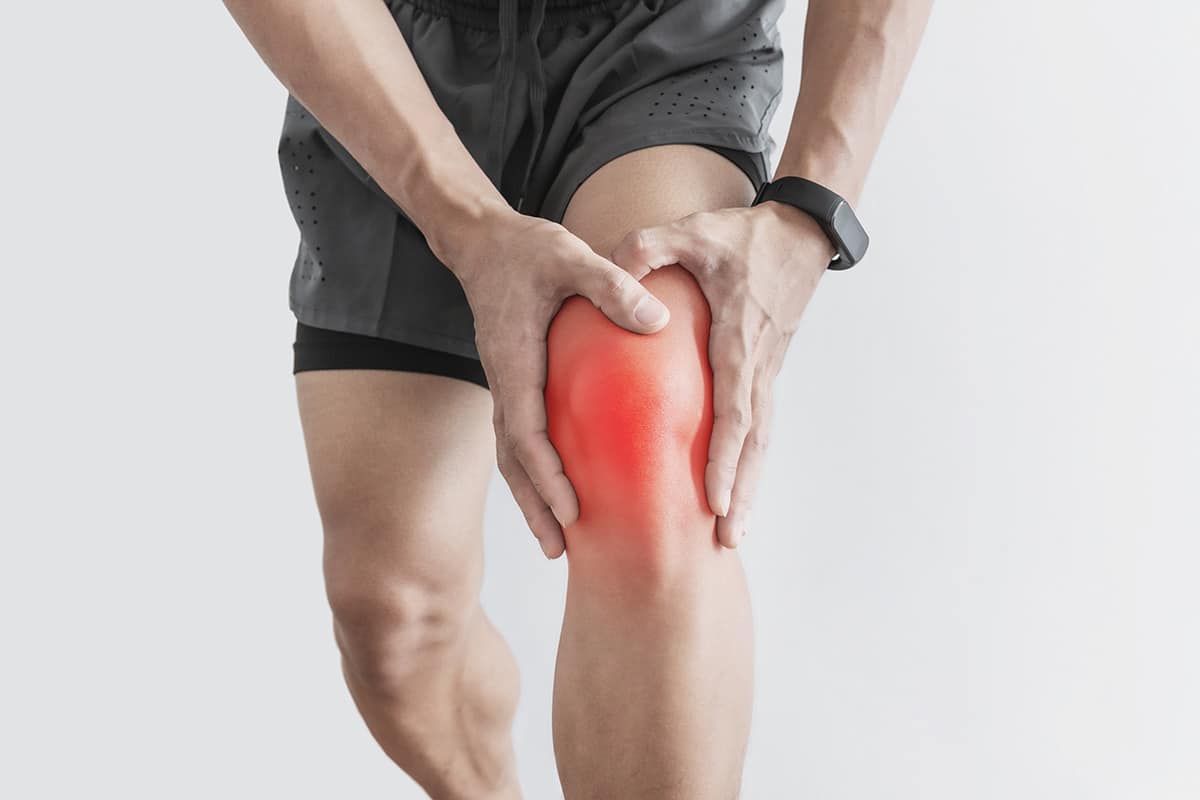
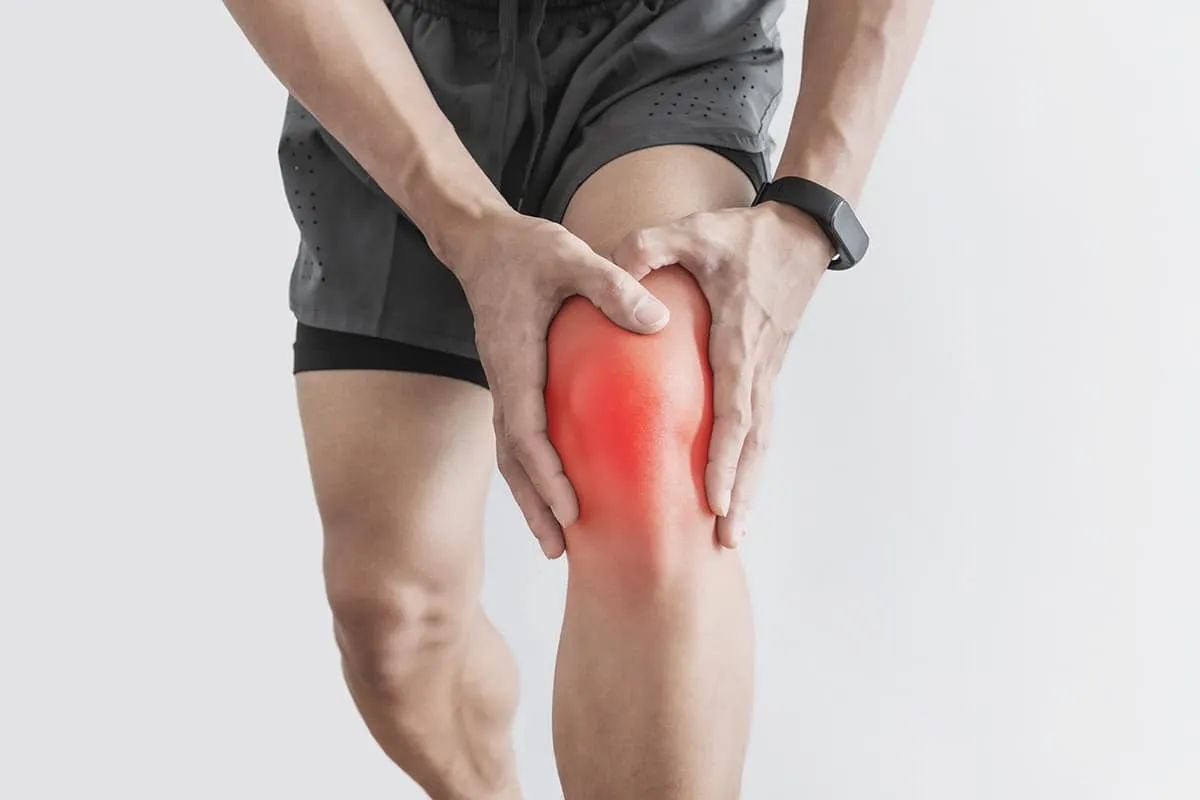
العَرَض المميز لتمزق الغضروف الهلالي هو الألم الموضعي تحديدًا على امتداد خط المفصل، وهو الخط الذي يلتقي عنده عظم الفخذ وعظمة الساق على الجانب الداخلي أو الخارجي من الركبة. هذا الألم يختلف عن الأوجاع المنتشرة للتهاب المفاصل أو ألم الجزء الأمامي من الركبة المصاحب لمتلازمة الرضفة-الفخذية. يشتد الألم عادةً مع الالتواء والقرفصاء وصعود الدرج ونزوله. إذا كان الألم في الجانب الداخلي من الركبة فالغضروف الهلالي الإنسي على الأرجح هو المتأثر.
2. الانتفاخ خلال 24 ساعة
كثيرًا ما يُسبب التمزق في الغضروف الهلالي انتفاخ الركبة، لكن هذا الانتفاخ يتطور تدريجيًا لا فجأةً. خلافًا لتمزق الرباط الصليبي الأمامي الذي يُسبب انتفاخًا سريعًا في غضون 2-4 ساعات، قد يستغرق انتفاخ تمزق الغضروف الهلالي 24 ساعة أو أكثر حتى يصبح ملحوظًا. يحدث الانتفاخ لأن الغضروف الممزق يُهيّج بطانة المفصل ويُحفّز إنتاجًا مفرطًا للسائل. قد تشعر الركبة بالضيق والتيبس، لا سيما عند محاولة ثنيها بالكامل.
3. الإحساس بالالتقاط أو الطقطقة أو الانقفال
يمكن لشظية الغضروف الهلالي الممزقة أن تتداخل جسديًا مع حركة الركبة الطبيعية. يصف المرضى إحساسًا بالالتقاط أثناء المشي أو صعود الدرج، وطقطقة مسموعة عند ثني الركبة أو مدها، أو في الحالات الأشد خطورة، انقفال الركبة — بمعنى أنها تتوقف في وضع مثني ولا يمكن تمديدها بالكامل. الانقفال الحقيقي الذي تُعاق فيه الركبة ميكانيكيًا علامةٌ على تمزق أكبر أو شظية منزاحة (تمزق على شكل مقبض الدلو) ويستوجب في الغالب علاجًا أكثر إلحاحًا.
4. الإحساس بالطقطقة لحظة الإصابة
يُفيد كثير من المرضى المصابين بتمزق حاد في الغضروف الهلالي بسماع أو الشعور بطقطقة في الركبة في اللحظة بالذات التي تحدث فيها الإصابة. وهذا شائع أثناء حركات الالتواء أو المحور. وإن كانت الطقطقة تدل أحيانًا على إصابة في الرباط، إلا أن الجمع بين الطقطقة والألم على خط المفصل والانتفاخ التدريجي والأعراض الميكانيكية (الالتقاط أو الانقفال) يشير بقوة إلى تمزق في الغضروف الهلالي. ليس كل تمزق يُصدر طقطقة، لا سيما التمزقات التنكسية التي تتطور دون إصابة واضحة.
5. عدم القدرة على تمديد الركبة أو ثنيها بالكامل
فقدان نطاق الحركة الكامل شائع بعد تمزق الغضروف الهلالي. قد لا تمتد الركبة بالكامل أو يُعاق آخر درجات الثني (الانثناء العميق). يحدث ذلك بسبب الانتفاخ داخل المفصل، أو تشنج العضلات المرتبط بالألم، أو شظية الغضروف الهلالي المنزاحة جسديًا التي تعيق الحركة. إذا شعرت بأن ركبتك منقفلة أو لا تستطيع تمديد ساقك بالكامل، فهذا يستوجب تقييمًا طبيًا فوريًا.
متى تطلب عناية طبية عاجلة: اطلب رعاية طبية في اليوم نفسه إذا انقفلت ركبتك ولم تتمكن من تمديدها، أو إذا كنت عاجزًا تمامًا عن تحمّل الوزن، أو إذا كان الانتفاخ شديدًا وسريعًا (في غضون ساعتين)، أو إذا اقترن الألم بحمى (مما قد يشير إلى عدوى لا إصابة ميكانيكية).
أنواع تمزقات الغضروف الهلالي وشدتها
ليست جميع تمزقات الغضروف الهلالي متشابهة. نوع التمزق وموضعه يُحددان ما إذا كان يمكنه الشفاء من تلقاء نفسه، أو إصلاحه جراحيًا، أو إزالة النسيج التالف. يُصنّف جراح العظام التمزق استنادًا إلى نتائج MRI وإذا أُجريت جراحة، بالرؤية المباشرة أثناء التنظير.
| نوع التمزق | الوصف | الشدة | العلاج المعتاد |
|---|---|---|---|
| تمزق شعاعي | يمتد من الحافة الداخلية نحو الخارجية، عمودياً على حافة الغضروف الهلالي | متوسط إلى شديد | كثيراً ما يتطلب استئصالاً جزئياً إذا كان في المنطقة البيضاء |
| تمزق أفقي | يُقسّم الغضروف الهلالي إلى نصفين علوي وسفلي | خفيف إلى متوسط | قد يلتئم بالعلاج المحافظ أو يُرمَّم إذا كان في المنطقة الحمراء |
| تمزق طولي | يمتد على طول الغضروف الهلالي، موازياً للحافة الخارجية | متوسط | مرشح جيد للترميم الجراحي، لا سيما في المنطقة الحمراء |
| تمزق الدلو | تمزق طولي كبير ينزلح فيه الجزء الداخلي نحو مركز المفصل | شديد | يستلزم عادةً ترميماً جراحياً أو استئصالاً؛ كثيراً ما يُسبب الانغلاق |
| تمزق معقد | مجموعة من أنماط تمزق متعددة في اتجاهات مختلفة | شديد | يستلزم عادةً استئصالاً جزئياً؛ الترميم كثيراً ما يكون غير ممكن |
| تمزق تنكسي | تآكل وترقق ناجمان عن تدهور مرتبط بالعمر لا إصابة واحدة | يتفاوت | يُدار عادةً بالعلاج المحافظ مع علاج طبيعي وحقن |
أنواع تمزق الغضروف الهلالي مُصنَّفة حسب النمط والشدة والنهج العلاجي المعتاد
كيف يُشخَّص تمزق الغضروف الهلالي
الدقة في التشخيص هي أساس العلاج الفعّال. يتضمن تشخيص تمزق الغضروف الهلالي عادةً ثلاث خطوات: تاريخ سريري وفحص بدني وتصوير.
التاريخ السريري والفحص البدني
يسأل جراح العظام عن آلية الإصابة (كيف ومتى بدأ الألم)، والموضع المحدد للألم، وما إذا كنت تعاني التقاطًا أو انقفالًا أو استرخاءً. خلال الفحص البدني، تساعد اختبارات استفزازية محددة في تحديد اضطرابات الغضروف الهلالي. يتضمن اختبار McMurray ثني الركبة وتدويرها لاستحداث طقطقة أو ألم. يتضمن اختبار Thessaly الوقوف على ساق واحدة وتدوير الجسم مع تحمّل الوزن. وتُعدّ الحساسية على خط المفصل من أكثر العلامات موثوقية.
التصوير: الأشعة السينية وMRI
لا تُظهر الأشعة السينية تمزقات الغضروف الهلالي مباشرةً لأن الغضروف غير مرئي فيها. غير أنها تظل خطوة أولى مهمة لاستبعاد الكسور والأجسام الحرة وعلامات التهاب المفاصل كضيق المسافة المفصلية. يُعدّ MRI المعيار الذهبي لتشخيص تمزق الغضروف الهلالي بحساسية ونوعية تتجاوز 95%. يُظهر الموضع الدقيق ونوع التمزق ومداه، كما يكشف الإصابات المصاحبة في الأربطة والغضروف والعظم التي تؤثر على التخطيط العلاجي.
لدى DCDC جهاز MRI عريض الفتحة (70 سم) من سيمنز بقوة 1.5 تسلا يوفر تجربة مريحة حتى للمرضى الذين يشعرون بالرهاب في أجهزة MRI التقليدية. تُفسَّر صور الركبة بواسطة طبيب أشعة متخصص في الجهاز العضلي الهيكلي (MSK)، وتكون النتائج متاحة في غضون 18-24 ساعة. إن وجود التصوير والاستشارة الجراحية تحت سقف واحد يُزيل التأخيرات وإشكاليات التنسيق التي كثيرًا ما يواجهها المرضى عند انفصال التصوير عن المختصين.
خيارات العلاج غير الجراحي لتمزقات الغضروف الهلالي
أكد إجماع إعادة التأهيل الأوروبي-الأمريكي للغضروف الهلالي 2024، الصادر مشتركًا عن ESSKA وAOSSM وAASPT، أن العلاج غير الجراحي هو الخط الأول لتمزقات الغضروف الهلالي التنكسية وخيار مجدٍ للعديد من التمزقات الحادة. يتبع الدكتور مرساد موسوي في DCDC فلسفة تقديم العلاج التحفظي أولًا، مما يعني استنفاد الخيارات غير الجراحية قبل التوصية بأي إجراء. وبناءً على خبرته السريرية التي تمتد 14 عامًا، تستجيب غالبية تمزقات الغضروف الهلالي التي يُقيّمها استجابةً جيدة للإدارة غير الجراحية.
بروتوكول RICE (الإدارة الفورية)
في الـ 48-72 ساعة الأولى بعد الإصابة بالغضروف الهلالي، يُساعد بروتوكول RICE على التحكم في الألم والانتفاخ: الراحة (تقليل تحمّل الوزن وتجنب الأنشطة المُهيِّجة)، والثلج (وضعه 15-20 دقيقة كل 2-3 ساعات)، والضغط (استخدام ضمادة مرنة للحد من الانتفاخ)، والرفع (إبقاء الركبة مرفوعة فوق مستوى القلب عند الراحة). يمكن للمسكنات المضادة للالتهاب المتاحة دون وصفة كالإيبوبروفين مساعدة إدارة الألم وتقليل الانتفاخ في هذه المرحلة الحادة.
العلاج الطبيعي وإعادة التأهيل
يُمثّل العلاج الطبيعي المنظم حجر الزاوية في علاج تمزق الغضروف الهلالي غير الجراحي. يركز برنامج التأهيل المُخصَّص على تقليل الانتفاخ واستعادة نطاق الحركة الكامل وتقوية العضلة الرباعية الرأس وأوتار الركبة (التي تعوّض عن الاستقرار الذي يوفره الغضروف الهلالي) وتحسين الحس العمقي والتوازن. تُثبت الأبحاث باستمرار أن العلاج الطبيعي يُنتج نتائج مماثلة للجراحة في تمزقات الغضروف الهلالي التنكسية لدى المرضى فوق سن 40.
علاج البلازما الغنية بالصفائح الدموية (PRP)
يتضمن علاج PRP سحب عينة صغيرة من دم المريض وتركيز الصفائح الدموية وعوامل النمو عبر الطرد المركزي وحقن المحلول الناتج مباشرةً في مفصل الركبة. يمكن للعوامل المُركَّزة للنمو تقليل الالتهاب وتعزيز شفاء الأنسجة وتحسين تزليق المفصل. يُفيد PRP بشكل خاص للمرضى الذين لم يستجيبوا بما يكفي للعلاج الطبيعي وحده أو الراغبين في تجنب الجراحة أو تأجيلها. في DCDC، تبدأ حقن PRP لمفاصل الركبة من AED 1,500.
حقن الكورتيكوستيرويدات وحمض الهيالورونيك
يمكن لحقن الكورتيكوستيرويدات توفير تخفيف ملحوظ قصير المدى من الألم وتقليل الالتهاب في مفصل الركبة. وهي أكثر فائدةً كعلاج مؤقت للسماح للمريض بالمشاركة الفعّالة في العلاج الطبيعي. تعمل حقن حمض الهيالورونيك (التلزيق بالإضافة) بآلية مختلفة: إذ تُكمّل المُزلّق الطبيعي في المفصل مُقلِّلةً الاحتكاك ومُحسِّنةً جودة الحركة. وهي مفيدة بشكل خاص للمرضى الذين يعانون تمزقات تنكسية في الغضروف الهلالي مصحوبةً بالتهاب مفاصل مبكر.
تعديل النشاط والدعامات
تعديل النشاط المؤقت جزء مهم من العلاج. لا يعني هذا التوقف عن ممارسة الرياضة بالكامل، بل تجنب الأنشطة عالية التأثير والالتوائية مع الحفاظ على اللياقة عبر بدائل قليلة التأثير كالسباحة وركوب الدراجة أو جهاز الإليبتيكال. قد تُساعد دعامة الركبة أو جوارب الضغط في التخفيف من الأعراض خلال فترة الشفاء بتوفير ضغط وتغذية راجعة للحس العمقي.
هل تعاني من آلام الركبة أو الإحساس بالالتقاط؟
احصل على تقييم عظمي في نفس اليوم في DCDC بمدينة دبي الطبية. نهجنا المحافظ أولاً يعني أننا نستكشف العلاج الطبيعي وPRP والحقن قبل التفكير في الجراحة. الرنين المغناطيسي والأشعة السينية متاحان في الموقع بنتائج خلال 18-24 ساعة. نقبل أكثر من 20 مزود تأمين مع فوترة مباشرة.
متى تكون جراحة تمزق الغضروف الهلالي ضرورية؟
بينما يمكن إدارة معظم تمزقات الغضروف الهلالي بصورة تحفظية، تستوجب حالات معينة التدخل الجراحي. يُوصى عادةً بالجراحة عند انقفال الركبة المتكرر بسبب شظية منزاحة (تمزق على شكل مقبض الدلو)، وعند استمرار الأعراض رغم 6-8 أسابيع من العلاج التحفظي المنظم، وعند وجود تمزق كبير وغير مستقر في المنطقة الوعائية (الحمراء) ذات إمكانية شفاء جيدة بالإصلاح، أو عند اقتران تمزق الغضروف الهلالي بإصابة أخرى كتمزق الرباط الصليبي الأمامي.
الاستئصال الجزئي للغضروف الهلالي بالمنظار
هذه هي عملية الغضروف الهلالي الأكثر إجراءً. عبر شقَّين صغيرَين (كل منهما نحو 5 ملم)، يُدخل الجراح كاميرا وأدوات لاستئصال الجزء التالف من الغضروف الهلالي مع الحفاظ على أكبر قدر ممكن من الأنسجة السليمة. تستغرق العملية 30-45 دقيقة وتُجرى كجراحة في اليوم نفسه. يستطيع معظم المرضى المشي بعكاز في اليوم نفسه والعودة إلى العمل المكتبي في غضون 1-2 أسبوع.
إصلاح الغضروف الهلالي بالمنظار
عندما يكون التمزق في المنطقة الوعائية الخارجية (المنطقة الحمراء) وجودة الأنسجة جيدة، يستطيع الجراح خياطة الأطراف الممزقة بدلًا من استئصالها. يحافظ إصلاح الغضروف الهلالي على وظيفته كممتص للصدمات ويرتبط بنتائج أفضل على المدى البعيد لصحة المفصل. غير أن التعافي يكون أطول (3-6 أشهر) لأن الأنسجة المُصلَحة تحتاج وقتًا للشفاء، ويُقيَّد تحمّل الوزن في الأسابيع الأولى.
إصلاح الغضروف الهلالي مقابل استئصاله: الفروق الرئيسية
| العامل | الاستئصال الجزئي | ترميم الغضروف الهلالي |
|---|---|---|
| وقت الإجراء | 30-45 دقيقة | 45-90 دقيقة |
| التعافي حتى الأنشطة اليومية | 1-2 أسبوع | 4-6 أسابيع |
| العودة إلى الرياضة | 4-6 أسابيع | 3-6 أشهر |
| تحمّل الوزن بعد الجراحة | فوري (بقدر المقدرة) | مُقيَّد لمدة 4-6 أسابيع |
| الحماية طويلة الأمد للمفصل | أقل (امتصاص أضعف للصدمات) | أعلى (يحافظ على وظيفة الغضروف الهلالي) |
| الأنسب لـ | تمزقات المنطقة البيضاء والتمزقات المعقدة والمرضى الأكبر سناً | تمزقات المنطقة الحمراء والمرضى الشباب النشطين وتمزق الدلو |
مقارنة الاستئصال الجزئي للغضروف الهلالي بالمنظار مقابل إجراءات الترميم
تكلفة علاج تمزق الغضروف الهلالي في دبي
تتفاوت تكاليف علاج تمزقات الغضروف الهلالي في دبي تبعًا لنوع التدخل المطلوب. فيما يلي نطاقات الأسعار النموذجية بناءً على أسعار السوق الحالية. في DCDC نُقدّم أسعارًا شفافة ونتعاون مع أكثر من 20 شريكًا تأمينيًا لإصدار الفواتير المباشرة، مما يعني أن كثيرًا من المرضى يدفعون فقط اشتراكهم أو حصتهم من التكلفة لا المبلغ الكامل.
| العلاج | التكلفة المعتادة في دبي | ملاحظات |
|---|---|---|
| استشارة العظام | من AED 300-500 | تقييم أولي شامل الفحص البدني وخطة العلاج |
| أشعة سينية على الركبة | من AED 150-350 | تصوير خط أول لاستبعاد الكسور والتهاب المفاصل |
| رنين مغناطيسي على الركبة | من AED 900-2,500 | المعيار الذهبي للتشخيص؛ قراءة أخصائي أشعة عضلي هيكلي في DCDC |
| العلاج الطبيعي (للجلسة) | من AED 250-500 | عادةً 2-3 جلسات أسبوعياً لمدة 4-8 أسابيع |
| حقنة PRP | من AED 1,500-3,000 | علاج تجديدي؛ قد يستلزم 1-3 جلسات |
| حقنة كورتيكوستيرويد | من AED 500-1,000 | تخفيف قصير الأمد للألم؛ مغطاة عادةً بالتأمين |
| جراحة بالمنظار | من AED 15,000-35,000 | تُجرى في مستشفيات شريكة؛ تشمل رسوم الجراح والتخدير والمرفق |
التكاليف المعتادة لعلاج تمزق الغضروف الهلالي في دبي (2026). الأسعار تقريبية وقد تتباين.
يُعدّ تغطية التأمين لعلاج تمزق الغضروف الهلالي جيدةً بوجه عام في دبي. تغطي معظم الخطط الشاملة استشارات العظام والتصوير التشخيصي والعلاج الطبيعي والجراحة الضرورية طبيًا. يتشارك DCDC مع Daman وAXA وBupa وMetLife وأكثر من 15 مزوّدًا تأمينيًا آخر للفوترة المباشرة. يستطيع فريقنا التحقق من تغطيتك والحصول على التفويض المسبق قبل موعدك.
ماذا تتوقع في DCDC لعلاج تمزق الغضروف الهلالي
إليك ما يبدو عليه مسار المريض النموذجي عند زيارة DCDC في مدينة دبي الطبية بسبب اشتباه في تمزق الغضروف الهلالي.
الخطوة 1: استشارة العظام
ستلتقي بالدكتور مرساد موسوي أو أحد متخصصي العظام لدينا لإجراء تقييم سريري شامل. يشمل ذلك تاريخًا تفصيليًا لأعراضك ومستوى نشاطك، متبوعًا بفحص بدني باختبارات غضروف هلالي محددة (McMurray وThessaly وجس خط المفصل). يُستقبل معظم المرضى في غضون 15 دقيقة من موعدهم. تستغرق الاستشارة نحو 20-30 دقيقة.
الخطوة 2: التصوير في الموقع
إذا دعت الحاجة للتصوير، يمكنك إجراؤه فورًا في المبنى نفسه. تستغرق الأشعة السينية نحو 10 دقائق وتكون النتائج في اليوم نفسه. وإذا احتجت إلى MRI، يوفر جهاز سيمنز 1.5 تسلا عريض الفتحة (70 سم) لدينا تجربة مريحة حتى للمرضى الذين يشعرون بضيق في أجهزة MRI التقليدية. يستغرق MRI الركبة نحو 30-40 دقيقة، وتُفسَّر الصور بواسطة طبيب أشعة متخصص في الجهاز العضلي الهيكلي مع تقارير متاحة في 18-24 ساعة.
الخطوة 3: التشخيص وخطة العلاج
بمجرد توفر نتائج التصوير، يشرح طبيبك النتائج بلغة بسيطة مع عرض صور MRI وتحديد النوع والموضع والشدة الدقيقة للتمزق. ستتلقى توصيةً علاجيةً واضحةً استنادًا إلى ظروفك الفردية. بالنسبة لمعظم المرضى، يبدأ ذلك بنهج تحفظي: علاج طبيعي وإدارة مضادة للالتهاب وربما علاج PRP أو حقن.
الخطوة 4: العلاج والمتابعة
إذا أُوصي بالعلاج الطبيعي، سيضع فريق إعادة التأهيل لدينا برنامجًا منظمًا مُصمَّمًا وفق نوع تمزقك وأهدافك النشاطية. إذا كان العلاج بـ PRP أو الحقن مناسبًا، فيمكن تنفيذه في الغالب في اليوم نفسه لاستشارتك. يُجدوَل مواعيد المتابعة على فترات منتظمة لمراقبة التقدم. وإذا لم يُحقق العلاج التحفظي تحسنًا كافيًا بعد 6-8 أسابيع، تُعاد مناقشة الجراحة.
يقع DCDC في المبنى 64، مجمع الرازي الطبي، مدينة دبي الطبية. مفتوح من السبت إلى الخميس من 8 صباحًا حتى 10 مساءً، والجمعة من 9 صباحًا حتى 9 مساءً. يتوفر مواقف مجانية للسيارات، ومرخَّص من وزارة الصحة. تقييمنا على Google 4.8/5 من أكثر من 1,000 مراجعة موثقة مع معدل رضا مرضى بنسبة 98%.
الجدول الزمني للتعافي: كم يستغرق شفاء تمزق الغضروف الهلالي؟
يتفاوت وقت التعافي تفاوتًا ملحوظًا تبعًا لنوع التمزق ومنهج العلاج وعوامل الشفاء الفردية كالعمر والصحة العامة والالتزام بإعادة التأهيل. فيما يلي جدول زمني عام استنادًا إلى الأدلة العظمية الحالية.
التعافي غير الجراحي
- الأسبوع 1-2: بروتوكول RICE، إدارة الألم، تمارين خفيفة لنطاق الحركة. يستطيع معظم المرضى المشي مع عرج طفيف
- الأسبوع 2-4: بدء العلاج الطبيعي المنظَّم. التركيز على استعادة نطاق الحركة الكامل وبدء تقوية عضلات الرباعية
- الأسبوع 4-6: تقوية تدريجية، تمارين قلبية منخفضة التأثير (دراجة، سباحة). ينبغي أن يتحسن الألم والتورم بشكل ملحوظ
- الأسبوع 6-8: عودة تدريجية للأنشطة الطبيعية. يمكن بدء التدريب الرياضي المتخصص للتمزقات الخفيفة
- الأسبوع 8-12: عودة كاملة للرياضة لمعظم المرضى ذوي التمزقات الخفيفة إلى المتوسطة التي استجابت للعلاج المحافظ
التعافي بعد الجراحة (استئصال جزئي للغضروف الهلالي)
- اليوم 1-3: المشي بعكاز، ثلج ورفع الساق، تمارين تنشيط عضلات الرباعية بلطف
- الأسبوع 1-2: يستطيع معظم المرضى المشي دون عكاز. استئناف العمل المكتبي. بدء العلاج الطبيعي
- الأسبوع 2-4: زيادة نطاق الحركة وتمارين التقوية. ركوب دراجة ثابتة بشكل خفيف
- الأسبوع 4-6: العودة لمعظم الأنشطة اليومية وتمارين غير تأثيرية. بداية العودة التدريجية للرياضة
التعافي بعد الجراحة (إصلاح الغضروف الهلالي)
- الأسبوع 0-2: عكاز ودعامة الركبة. تحمّل الوزن مُقيَّد. تمارين تنشيط الرباعية ورفع الساق المستقيمة
- الأسبوع 2-6: تدرّج تدريجي في تحمّل الوزن بتوجيه الجراح. نطاق الحركة يزداد تدريجياً. علاج طبيعي 2-3 مرات أسبوعياً
- الشهر 2-3: تحقيق تحمّل الوزن الكامل. تمارين التقوية تشتد. ركوب دراجة ثابتة وتمارين في المسبح
- الشهر 3-6: عودة تدريجية للأنشطة الرياضية المتخصصة. تبدأ الهرولة نحو الشهر 3-4 إذا تحققت المعالم المطلوبة. عودة كاملة للرياضة في 4-6 أشهر
هذه الجداول الزمنية إرشادات عامة. سيستخدم جراح العظام والمعالج الطبيعي التقدم المبني على المعايير، مما يعني أنك تتقدم عند بلوغ معالم قوة ووظيفة محددة لا بمجرد انقضاء عدد محدد من الأسابيع. للمرضى الذين يعانون أيضًا إصابات في الرباط الصليبي الأمامي، يكون التعافي أكثر تعقيدًا؛ راجع دليل التعافي من إصابة الرباط الصليبي الأمامي لبروتوكولات تأهيل تفصيلية.
الوقاية من تمزق الغضروف الهلالي: نصائح للمقيمين الناشطين في دبي
وإن لم يكن كل تمزق في الغضروف الهلالي قابلًا للوقاية — لا سيما التمزقات التنكسية المرتبطة بالتقدم في السن — إلا أنك تستطيع تقليص خطرك بشكل ملحوظ باتباع هذه الاستراتيجيات القائمة على الأدلة.
- الإحماء الصحيح: أمضِ 10-15 دقيقة في تمارين إحماء ديناميكية قبل أي رياضة أو جلسة تمرين. يُحسّن ذلك تدفق الدم للعضلات ويُعزّز تزييت المفاصل
- تقوية عضلات الساقين باستمرار: عضلات الرباعية والأوتار القوية تمتص القوى التي كانت ستُجهد الغضروف الهلالي. القرفصاء والطعن والضغط بالأرجل وثني الأوتار ينبغي أن تكون جزءاً من روتينك المنتظم
- تحسين التوازن والإحساس العميق: تمارين الساق الواحدة والعمل على لوح التوازن وتمارين الرشاقة تُدرّب جهازك العصبي العضلي على حماية الركبة أثناء الحركات غير المتوقعة
- تجنب فخ محارب عطلة الأسبوع: تدرّب باستمرار طوال الأسبوع بدلاً من ضغط كل النشاط في جلسة أو جلستين مكثفتين. التحميل التدريجي أكثر أماناً من القمم المفاجئة
- ارتداء الأحذية المناسبة: أحذية بقبضة جيدة ودعم مناسب تُقلل خطر الانزلاق والدوران غير المحكم. استبدل أحذيتك الرياضية البالية بانتظام
- الحفاظ على وزن صحي: كل كيلوغرام من وزن الجسم يُقابله نحو 3-4 كيلوغرامات من القوة عبر مفصل الركبة أثناء المشي. إدارة الوزن تُقلل الضغط التراكمي على الغضروف الهلالي
- الإنصات لجسدك: إذا آلمت ركبتك أو تورمت بعد النشاط، لا تُكابر. التقييم المبكر للأعراض الخفيفة قد يمنع تحول المشكلة البسيطة إلى تمزق أكبر
للرياضيين المتعافين من أي إصابة في الأطراف السفلية، يقدم دليل التعافي من الإصابات الرياضية إرشادات شاملة حول PRP وإعادة التأهيل وبروتوكولات العودة للممارسة الرياضية المتاحة في دبي.
قلق من إصابة في الركبة؟
لا تنتظر حتى تتفاقم الأعراض. احجز استشارة عظمية في DCDC بمدينة دبي الطبية للحصول على تقييم متخصص ورنين مغناطيسي في الموقع وخطة علاجية شخصية. تقييمنا 4.8/5 على جوجل من أكثر من 1,000 مراجعة، نقبل أكثر من 20 خطة تأمين مع فوترة مباشرة، ونوفر مواقف مجانية في مجمع الرازي الطبي.
العيش مع تمزق الغضروف الهلالي: متى تنتظر ومتى تتصرف
لا يحتاج كل تمزق في الغضروف الهلالي إلى علاج فوري. يمكن مراقبة التمزقات الصغيرة المستقرة التي تسبب أعراضًا خفيفة وعرضية فحسب من خلال تعديل النشاط وتمارين منزلية بسيطة. غير أن ثمة إشارات واضحة تستوجب التقييم المهني دون تأخير.
- تصرّف الآن: الركبة تنغلق أو تخون القدم بشكل متكرر مانعةً المشي الطبيعي أو صعود الدرج
- تصرّف الآن: التورم يتكرر بعد كل محاولة للرياضة أو التمرين، رغم الراحة
- تصرّف الآن: الألم يُوقظك ليلاً أو يكون حاضراً في وضع الراحة لا فحسب خلال النشاط
- تصرّف الآن: أعراضك لا تتحسن أو تزداد سوءاً رغم 4-6 أسابيع من إدارة ذاتية
- راقب: وجع خفيف لا يظهر إلا خلال النشاط المكثف أو بعده ويزول بسرعة
- راقب: طقطقة متقطعة دون ألم أو انغلاق أو تورم
في حالة الشك، يمكن لاستشارة عظمية واحدة توفير وضوح كافٍ. يستطيع المتخصص ذو الخبرة في الغالب تحديد ما إذا كان التصوير ضروريًا وما إذا كانت أعراضك ستتحسن بإجراءات بسيطة أم تستلزم نهجًا أكثر منهجيةً.
خدمات ذات صلة في DCDC
رعاية متخصصة وتشخيص متقدم في مدينة دبي الطبية
الأسئلة الشائعة
خلاصة القول
لا يعني تمزق الغضروف الهلالي توقفك الدائم عن ممارسة نشاطاتك. تعود الغالبية العظمى من المرضى — سواء عولجوا بصورة تحفظية أو جراحية — إلى أنشطتهم الطبيعية ورياضتهم. المفتاح هو الحصول على تشخيص دقيق مبكرًا، واتباع خطة علاجية منظمة، والصبر على مسيرة التعافي. التسرع في العودة قبل أن تكون ركبتك جاهزة هو أكبر خطأ يقع فيه المرضى.
إذا كانت ركبتك تُخبرك أن ثمة خطأ ما — من خلال الألم أو الانتفاخ أو الالتقاط أو الانقفال — فلا تتجاهلها على أمل أن تتحسن من تلقاء نفسها. يمكن لاستشارة عظمية واحدة مع تصوير مناسب أن تمنحك تشخيصًا واضحًا وخارطة طريق للعلاج. في DCDC بمدينة دبي الطبية، ندمج بين التقييم العظمي الخبير وتصوير MRI في الموقع مع قراءة طبيب أشعة متخصص في MSK وفلسفة تقديم العلاج التحفظي أولًا لمساعدتك على العودة لما تحبه بأمان وفعالية.
كتبه
Dr. Mersad Moosavi
جراحة العظام
دكتوراه في الطب، جراحة العظام
الدكتور مرساد موسوي جراح عظام في مركز الأطباء التشخيصي العيادي (DCDC) بمدينة دبي الطبية، يمتلك خبرة تتجاوز 14 عامًا وأكثر من 20 منشورًا دوليًا في جراحة العمود الفقري والمفاصل.
مقالات ذات صلة

رنين مغناطيسي الركبة دبي: ما يظهره والتكلفة
التعافي من إصابة الرباط الصليبي الأمامي: دليل إعادة التأهيل
علاج آلام المفاصل دبي: الأسباب والعلاج
حقن PRP للمفاصل دبي: من AED 1,500
العلاج الطبيعي دبي: الأنواع والتكلفة والدليل
المزيد في General Health
CBC Test Price Dubai: AED 149, Normal Ranges & Results
اقرأ المزيد
Dubai Clinic Without Insurance: Cost Guide (2026)
اقرأ المزيد
Doctor at Home Dubai: Home Visit Cost From AED 349 (2026)
اقرأ المزيد
Doctor on Call Dubai 24/7: Home, Hotel & Office Visits
اقرأ المزيد
Ear Wax Removal & Ear Cleaning Dubai: From AED 300 (2026)
اقرأ المزيد
Emsella for Men: Post-Prostate Care Dubai (2026)
اقرأ المزيد© 2026 Doctors Clinic Diagnostic Center (DCDC), Dubai Healthcare City. Originally published at https://doctorsclinicdubai.ae/blog/meniscus-tear-treatment-dubai. All rights reserved. Unauthorized reproduction is prohibited.