
احجز موعدك
تقييم الذاكرة والإدراك في دبي: تقييم متخصص
تقييم شامل للذاكرة والوظائف الإدراكية
تقييم شامل
اختبارات إدراكية شاملة ومتكاملة
تشخيص دقيق
تمييز الحالات القابلة للعلاج
رعاية رحيمة
دعم المرضى وعائلاتهم
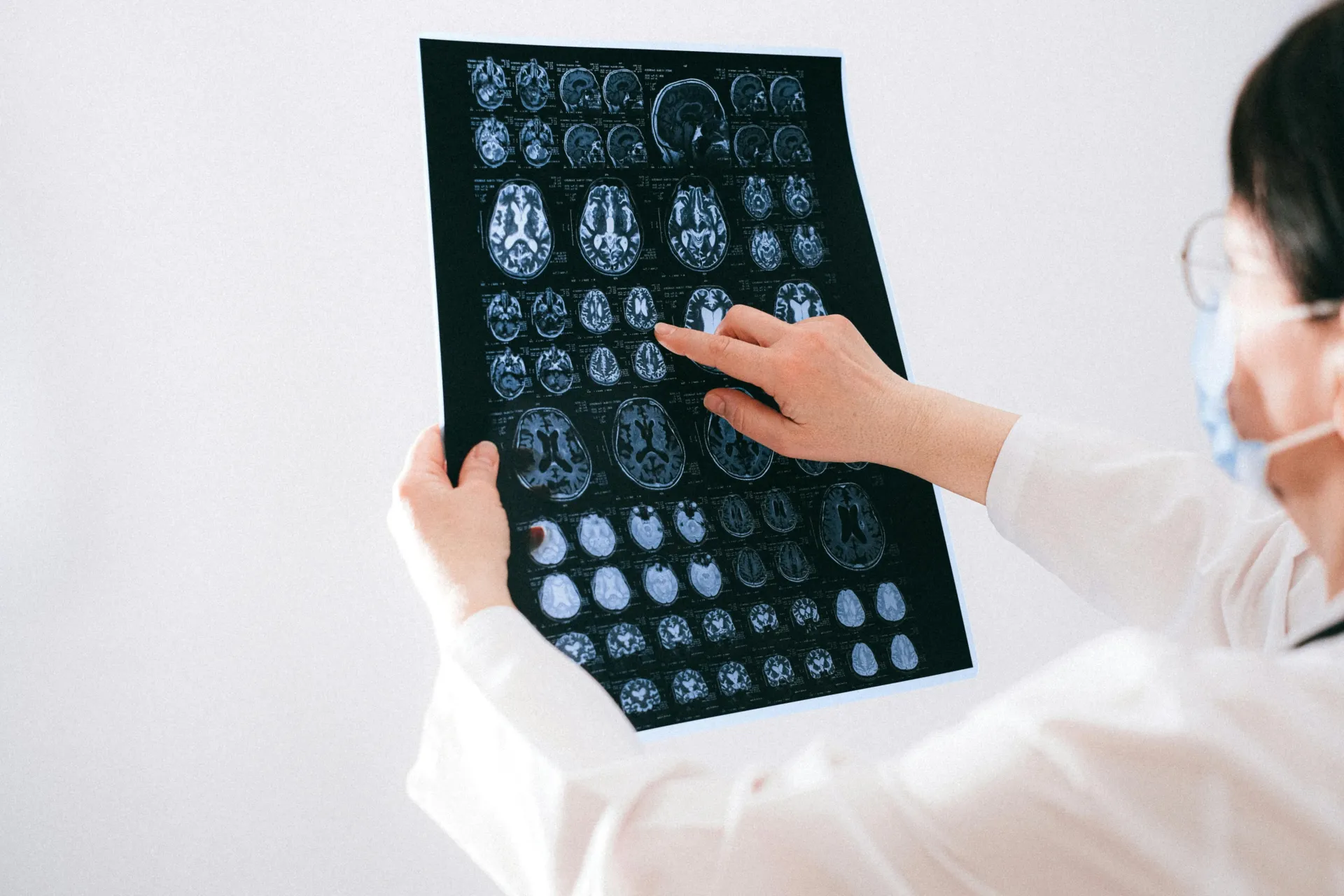
مخاوف الذاكرة شائعة، خاصة مع التقدم في العمر. يساعد تقييم الذاكرة الشامل لدينا في التمييز بين التغيرات الطبيعية المرتبطة بالعمر والحالات التي تتطلب عناية طبية، بما في ذلك الضعف الإدراكي الخفيف والخرف.
يشمل تقييمنا اختبارات إدراكية مفصلة وفحصاً عصبياً وفحوصات مناسبة لتحديد الأسباب القابلة للعلاج لمشاكل الذاكرة. العديد من الحالات المؤثرة على الذاكرة، مثل نقص الفيتامينات واضطرابات الغدة الدرقية والاكتئاب، يمكن عكسها بالعلاج المناسب.
للمرضى والعائلات التي تواجه تشخيص الخرف، نقدم رعاية رحيمة وتخطيطاً علاجياً وموارد للمساعدة في إدارة الحالة والحفاظ على جودة الحياة.
تقييم شامل
اختبارات إدراكية شاملة ومتكاملة
تشخيص دقيق
تمييز الحالات القابلة للعلاج
رعاية رحيمة
دعم المرضى وعائلاتهم
تقييم الذاكرة والإدراك في دبي: تقييم متخصص
تقييم شامل للذاكرة والوظائف الإدراكية
مخاوف الذاكرة شائعة، خاصة مع التقدم في العمر. يساعد تقييم الذاكرة الشامل لدينا في التمييز بين التغيرات الطبيعية المرتبطة بالعمر والحالات التي تتطلب عناية طبية، بما في ذلك الضعف الإدراكي الخفيف والخرف.
يشمل تقييمنا اختبارات إدراكية مفصلة وفحصاً عصبياً وفحوصات مناسبة لتحديد الأسباب القابلة للعلاج لمشاكل الذاكرة. العديد من الحالات المؤثرة على الذاكرة، مثل نقص الفيتامينات واضطرابات الغدة الدرقية والاكتئاب، يمكن عكسها بالعلاج المناسب.
للمرضى والعائلات التي تواجه تشخيص الخرف، نقدم رعاية رحيمة وتخطيطاً علاجياً وموارد للمساعدة في إدارة الحالة والحفاظ على جودة الحياة.
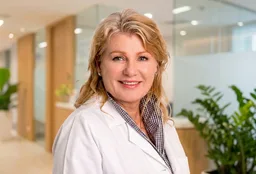
Dr. Heike Jacobs
استكشف خدماتنا
خدمات تقييم الذاكرة والوظائف الإدراكية الشاملة في مركز DCDC بمدينة دبي الطبية.

جميع الخدمات تقدم بواسطة متخصصين مرخصين من هيئة الصحة
من يجب أن يحصل على تقييم الذاكرة والوظائف الإدراكية؟
يُوصى بتقييم الذاكرة لأي شخص لديه مخاوف بشأن الوظائف الإدراكية أو تغيرات الذاكرة.
نسيان الأحداث أو المحادثات الأخيرة
صعوبة في إيجاد الكلمات أو متابعة المحادثات
الضياع في أماكن مألوفة
صعوبة في التخطيط أو حل المشكلات
تغيرات في المزاج أو الشخصية
مخاوف الأسرة بشأن التغيرات الإدراكية
لماذا تختار DCDC لتقييم الذاكرة؟
تقييم متخصص مع رعاية شاملة ورحيمة.
أطباء أعصاب متخصصون
متخصصون في الاضطرابات الإدراكية والخرف.
اختبارات شاملة
مجموعة اختبارات إدراكية شاملة ومعتمدة.
تصوير متقدم
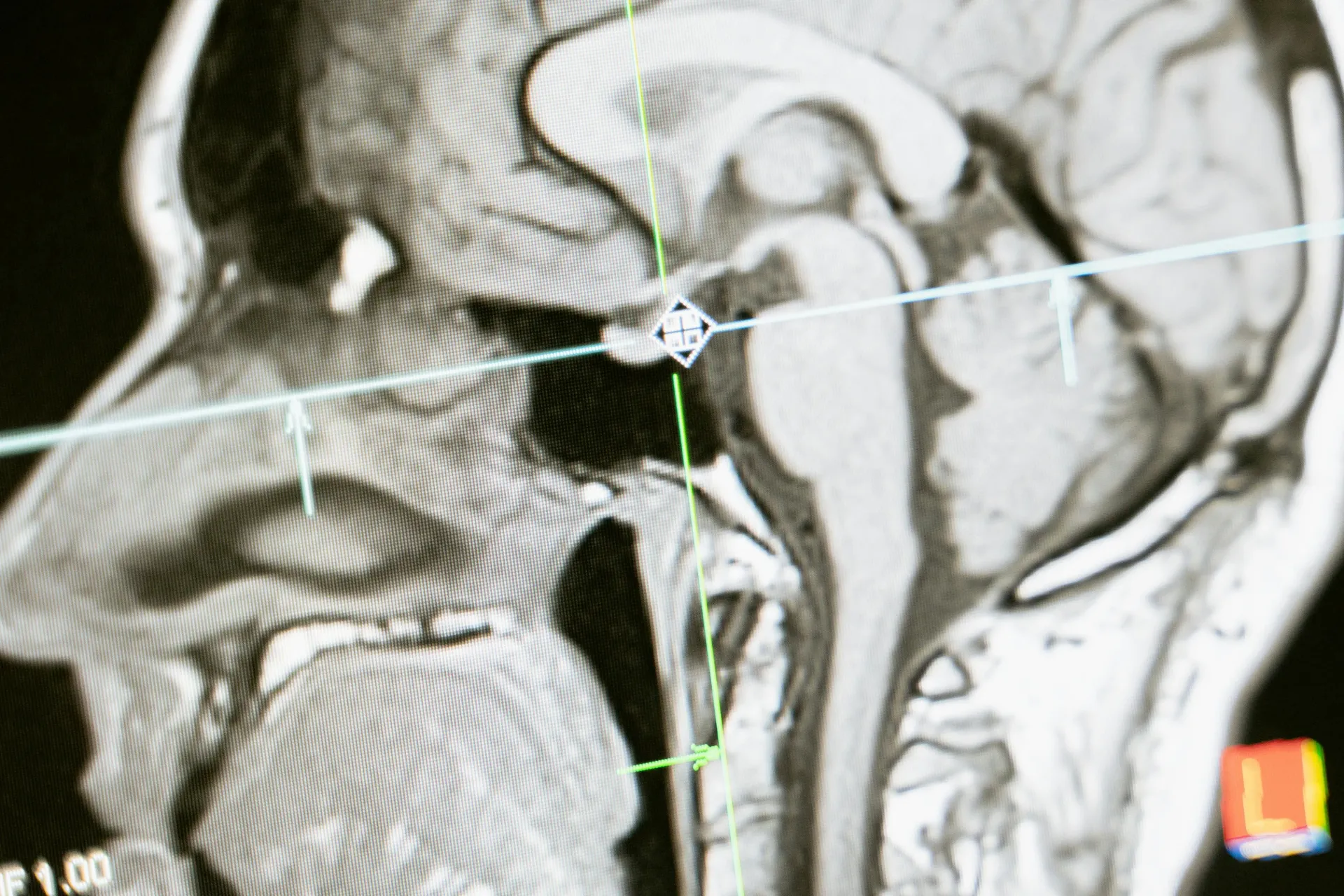
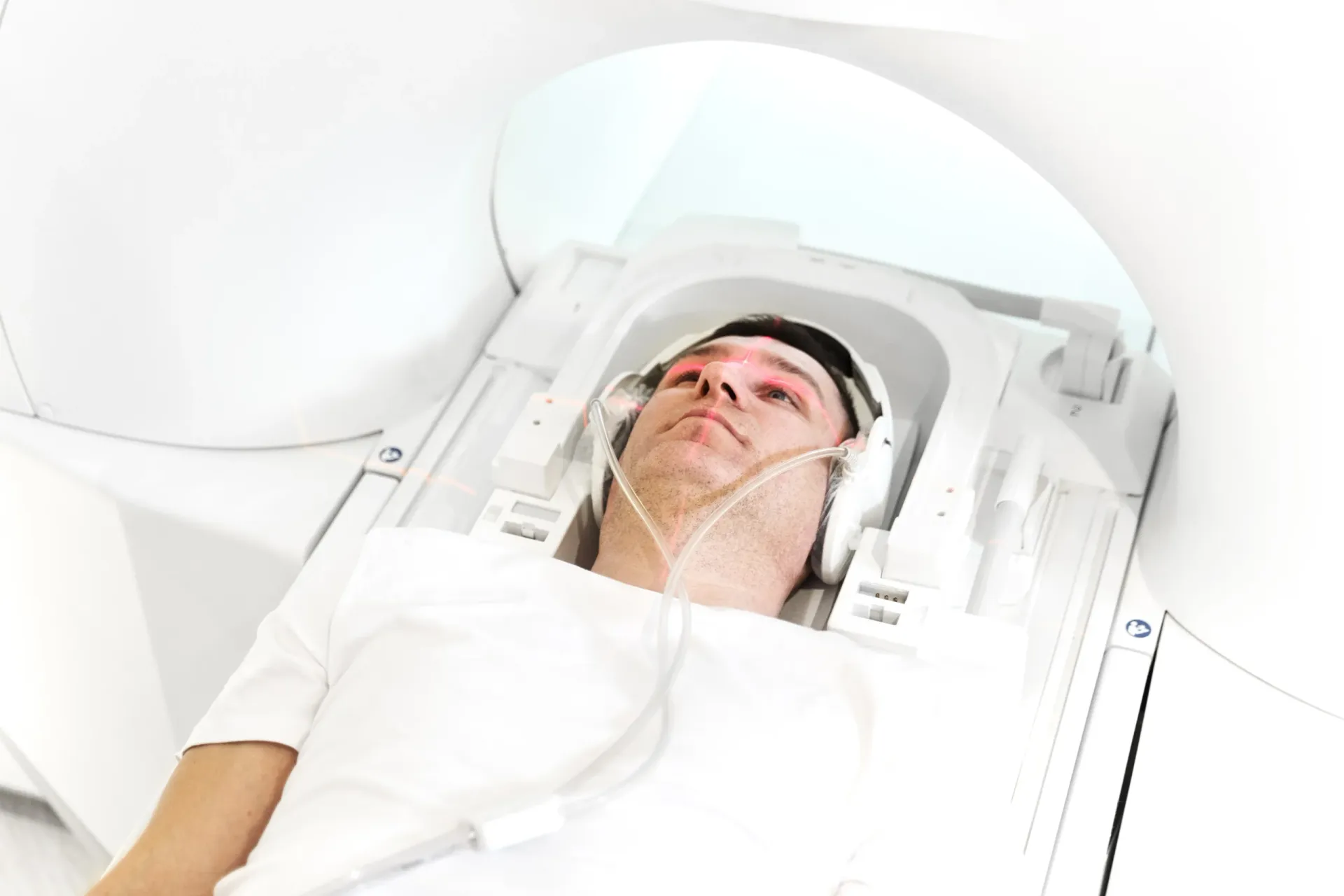
جهاز رنين مغناطيسي في المركز لتقييم بنية الدماغ.
رعاية رحيمة
نهج داعم للمرضى والعائلات.
فريق متعدد التخصصات
تنسيق مع الطب النفسي والتخصصات الأخرى.
دعم التأمين
فواتير مباشرة مع شركات التأمين الرئيسية.
زيارتك المريحة
عملية تقييم بسيطة خطوة بخطوة مصممة للراحة والسرعة والدقة.
أسعار تقييم الذاكرة
تختلف أسعار تقييم في دبي حسب نوع الخدمة والتغطية التأمينية لـ أنواع الخدمات المختلفة.
- يختلف السعر حسب نوع الفحص وما إذا كان يتطلب صبغة
- تغطية التأمين مقبولة مع الإحالة والتحقق
- أسعار شفافة للدفع الذاتي متاحة مع عرض سعر فوري عند الطلب
التحقق من التأمين خلال دقائق • بدون رسوم مخفية • استجابة سريعة على واتساب
دليل المريض
ماذا تتوقع في تقييم الذاكرة
تقييم شامل لفهم وظائفك الإدراكية.
التأمين والموقع
شركاء التأمين
- •أكثر من 20 شركة تأمين في دبي بما في ذلك ضمان، أكسا، أدنيك وغيرها
- •دعم الموافقة المسبقة والفوترة المباشرة (حيثما ينطبق)
- •التحقق من التغطية قبل موعدك في عيادتنا بمدينة دبي الطبية
- •أسعار شفافة بدون رسوم مخفية لخدمات تقييم الذاكرة والوظائف الإدراكية







زرنا في مدينة دبي الطبية
مركز الأطباء التشخيصي
المبنى 64، البلوك أ، مجمع الرازي الطبي، مدينة دبي الطبية، دبي، الإمارات
قرب طريق عود ميثاء · سهولة الوصول من بر دبي، داون تاون دبي، الخليج التجاري · مواقف مجانية مخصصة متاحة
ساعات العمل
الإثنين-الخميس، السبت: 8 ص - 10:30 م | الأحد: 8:30 ص - 10:30 م | الجمعة: 9 ص - 10 م
كيف يعمل التأمين في DCDC
تحقق من التغطية
تحقق من أن خطتك تغطي تقييم الذاكرة والوظائف الإدراكية
احصل على إحالة
بعض شركات التأمين تتطلب إحالة من طبيب عام — يمكننا مساعدتك
الموافقة المسبقة
نتعامل مع الموافقة المسبقة مباشرة مع شركة التأمين
الفوترة المباشرة
لا دفع مقدم — نحن نفوتر شركة التأمين مباشرة
الدفع المشترك فقط
تدفع فقط أي مبلغ مشترك مطبق في العيادة
تحقق من التغطية
تحقق من أن خطتك تغطي تقييم الذاكرة والوظائف الإدراكية
احصل على إحالة
بعض شركات التأمين تتطلب إحالة من طبيب عام — يمكننا مساعدتك
الموافقة المسبقة
نتعامل مع الموافقة المسبقة مباشرة مع شركة التأمين
الفوترة المباشرة
لا دفع مقدم — نحن نفوتر شركة التأمين مباشرة
الدفع المشترك فقط
تدفع فقط أي مبلغ مشترك مطبق في العيادة
Your Specialist
Dr. Heike Jacobs
Consultant Neurologist
MD, MRCP, Consultant Neurologist
German · English
دليل المريض
الذاكرة والصحة الإدراكية: فهم التقييم والإدارة
الذاكرة ليست وظيفة واحدة بل نظام معقد يضم مناطق متعددة من الدماغ تعمل معاً. تحتفظ الذاكرة قصيرة الأمد أو العاملة بالمعلومات لثوانٍ إلى دقائق وتُديرها قشرة الفص الجبهي. يعتمد توطيد الذاكرة طويلة الأمد، وهو عملية تحويل التجارب إلى ذكريات دائمة، اعتماداً جوهرياً على الحُصين. يتضمن الاسترجاع شبكات استرداد تمتد عبر مناطق دماغية متعددة. تؤثر أنواع مختلفة من الخرف على أنظمة ذاكرة ومناطق دماغية مختلفة، وهذا هو السبب في أن الاختبارات الإدراكية التفصيلية التي تُقيِّم نطاقات متعددة ضرورية للتشخيص الدقيق والتمييز بين الحالات.
مرض الزهايمر هو السبب الأكثر شيوعاً للخرف، إذ يُشكِّل ما يقارب 60 إلى 70 بالمئة من الحالات. يتميز بتراكم تدريجي لصفائح الأميلويد الشاذة وتشابكات طاو في الدماغ، مما يؤدي إلى تلف خلايا الأعصاب وموتها. يبدأ المرض عادةً بصعوبة تكوين ذكريات جديدة، ثم يتوسع تدريجياً ليؤثر على اللغة والتفكير والسلوك وأخيراً الوظائف الأساسية. على الرغم من أن العمر يُعدّ أكبر عوامل الخطر، إلا أن مرض الزهايمر ليس حتمياً مع الشيخوخة.
يُساعد مفهوم الاحتياطي الإدراكي على تفسير سبب الحفاظ على وظيفة أفضل لدى بعض الأفراد رغم التغيرات الدماغية مقارنةً بغيرهم. يُبنى الاحتياطي الإدراكي طوال الحياة من خلال التعليم والانخراط الفكري والتفاعل الاجتماعي والنشاط البدني. يستطيع الأشخاص ذوو الاحتياطي الإدراكي الأعلى تحمُّل مزيد من الأمراض الدماغية قبل ظهور الأعراض السريرية. لهذا المفهوم تداعيات عملية: الاستمرار في تحدي العقل بالتعلم الجديد والحفاظ على الروابط الاجتماعية والبقاء نشطاً بدنياً طوال الحياة يبني احتياطياً قد يُؤخِّر أو يُقلِّل من تأثير التغيرات الدماغية المرتبطة بالعمر.
يخدم التقييم الشامل للذاكرة أغراضاً متعددة تتجاوز مجرد تشخيص الخرف. فهو يُرسِّخ خطاً أساسياً لقياس التغيرات المستقبلية مقارنةً به، ويُحدِّد العوامل المُساهِمة القابلة للعلاج التي قد تُضخِّم الصعوبات الإدراكية، ويُميِّز بين أنواع مختلفة من الحالات الإدراكية التي تستلزم علاجات مختلفة، ويُوفِّر معلومات تنبؤية لتوجيه التخطيط، وكثيراً ما يُوفِّر الطمأنينة للأفراد القلقين الذين تقع مخاوفهم ضمن نطاق الشيخوخة الطبيعية. بغض النظر عن النتيجة، يُمكِّن التقييم الشامل المرضى والعائلات من المعرفة وخطة عمل واضحة.
الحالات الإدراكية التي نُقيِّمها ونُديرها
مرض الزهايمر
النوع الأكثر شيوعاً من الخرف، يتميز بفقدان تدريجي للذاكرة وصعوبات في اللغة وتراجع وظيفي، يُدار بالأدوية والتحفيز الإدراكي وخطة دعم شاملة.
الضعف الإدراكي الخفيف (MCI)
تراجع إدراكي قابل للقياس يتجاوز الشيخوخة الطبيعية دون استيفاء معايير الخرف، يُراقَب بانتظام مع استراتيجيات تدخل للحفاظ على الوظيفة ومعالجة عوامل الخطر القابلة للتعديل.
الخرف الوعائي
تراجع إدراكي ناجم عن سكتة دماغية أو مرض الأوعية الصغيرة، يُدار بالسيطرة المكثفة على عوامل خطر القلب والأوعية وإعادة التأهيل الإدراكي.
خرف أجسام ليوي
خرف يتضمن هلوسات بصرية وتذبذب في الإدراك وبارکينسونية، يستلزم اختيار الأدوية بعناية وإدارة شاملة.
الخرف الجبهي الصدغي
خرف ذو بداية عمرية مبكرة نسبياً يؤثر على السلوك والشخصية أو اللغة، يُشخَّص عبر التقييم السريري وتصوير الدماغ مع استراتيجيات إدارة متخصصة.
الضعف الإدراكي المرتبط بالاكتئاب
صعوبات في الذاكرة والتركيز ناجمة عن الاكتئاب (الخرف الكاذب)، تتميز عن الخرف بالتقييم وتتحسن بشكل ملحوظ مع علاج مضادات الاكتئاب.
مقالات ذات صلة
الدليل الشامل لـ MRI في دبي
تعرف على كيف يدعم MRI الدماغ تقييم الذاكرة من خلال تقييم بنية الدماغ والكشف عن التغييرات المرتبطة بالخرف.
نقص فيتامين D في دبي
افهم العلاقة بين نقص الفيتامينات والصحة المعرفية ولماذا الفحص الغذائي جزء من تقييم الذاكرة.
فوائد الفحص الصحي للمديرين التنفيذيين
اكتشف كيف تدعم الفحوصات الصحية الشاملة بما تشمل تقييم الإدراك صحة الدماغ والكشف المبكر عن الحالات القابلة للعلاج.
خدمات ذات صلة
استكشف خدمات التشخيص والاستشارات الأخرى المتوفرة في عيادتنا بمدينة دبي الطبية.
الأسئلة الشائعة
أسئلة شائعة حول تقييم الذاكرة والوظائف الإدراكية في دبي.
بعض تغيرات الذاكرة طبيعية مع التقدم في العمر (مثل نسيان الأسماء أحياناً). لكن مشاكل الذاكرة الكبيرة التي تؤثر على الحياة اليومية تستدعي التقييم لاستبعاد الحالات القابلة للعلاج أو الخرف المبكر.
العديد من الحالات يمكن أن تؤثر على الذاكرة، بما في ذلك نقص الفيتامينات، مشاكل الغدة الدرقية، الاكتئاب، اضطرابات النوم، الأدوية، والحالات العصبية مثل مرض الزهايمر. التقييم الصحيح يحدد السبب.
نعم، نشجع حضور أحد أفراد العائلة أو صديق مقرب. يمكنهم تقديم معلومات قيمة عن التغيرات التي لاحظوها والمساعدة في فهم التوصيات.
نعم، العديد من الأسباب قابلة للعلاج أو العكس، بما في ذلك نقص فيتامين B12، اضطرابات الغدة الدرقية، الاكتئاب، انقطاع النفس أثناء النوم، والآثار الجانبية للأدوية. لهذا السبب التقييم الشامل مهم.
الضعف الإدراكي الخفيف يشمل تغيرات إدراكية أكبر من المتوقع للعمر لكنها ليست شديدة بما يكفي للتأثير على الحياة اليومية. الخرف يشمل تدهوراً أكبر يؤثر على الوظائف المستقلة.
رغم عدم وجود شفاء تام، يمكن للأدوية المساعدة في إدارة الأعراض وإبطاء التقدم. التشخيص المبكر يسمح بتخطيط العلاج وتعديل نمط الحياة والتحضير للاحتياجات المستقبلية.
الحقائق الأساسية
المراجعة والإشراف الطبي
جميع الخدمات تقدم تحت إشراف متخصصين طبيين مرخصين في منشأتنا المعتمدة من وزارة الصحة.