احجز موعدك
تقييمات موثقة من مرضى مركز الأطباء التشخيصي في دبي
تقييمات موثقة وقصص حقيقية من مرضى مدينة دبي الطبية
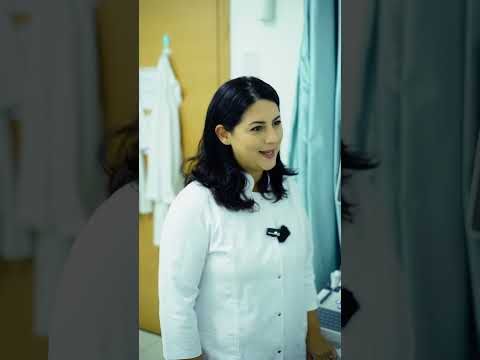
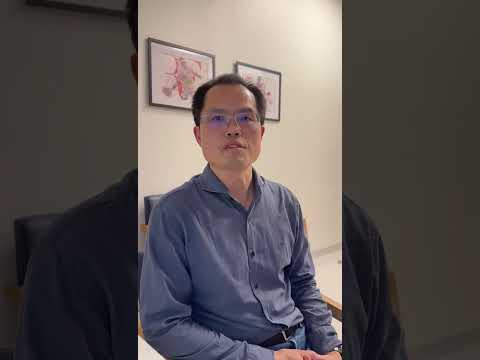
أنا راضية جداً عن هذه العيادة الطبية. أجريت أول فحص حمل لي هنا. كان السعر معقولاً والخدمة احترافية للغاية. كان أخصائي الأشعة مرحباً ولطيفاً وجعل التجربة رائعة.
أيزان توكمانبيتوفا
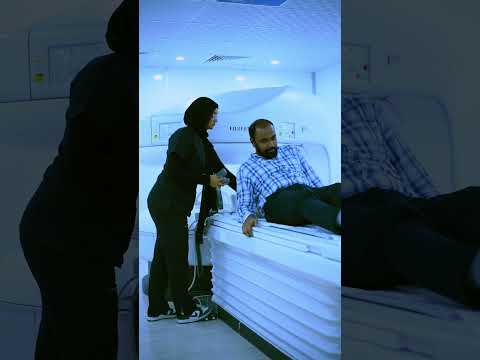
أصبت ركبتي ليلة الجمعة وحصلت على موعد للرنين المغناطيسي مساء الأحد (حجزت بعد ظهر الأحد). انتظرت حوالي دقيقتين وانتهيت في أكثر من 30 دقيقة بقليل. كان الفريق رائعاً وودوداً وفعالاً.
كيرستن إيفانز
كان فريق الدكتور أسامة لطيفاً ورائعاً. بعد تجربة سيئة في مكان آخر، كان فحص الحوض هنا أكثر احترافية بكثير. تقرير ممتاز ودقيق للغاية.
ماري
إعادة التأهيل العصبي في دبي: التعافي من السكتة الدماغية والتأهيل العصبي
تعافٍ عصبي مبني على الأدلة في مدينة دبي الصحية
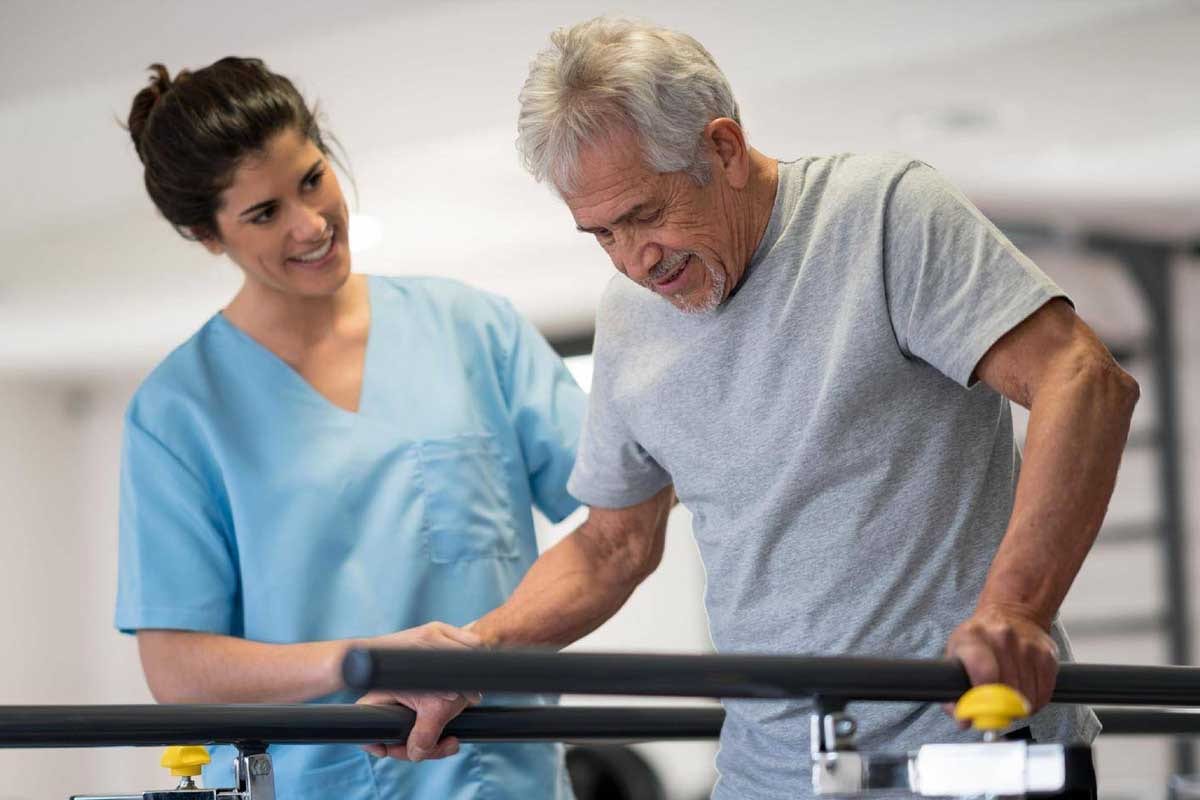
اللدونة العصبية
تعافٍ عصبي مبني على الأدلة
بقيادة استشاري
طب تأهيل متخصص
متكامل
تصوير وفريق متخصص في الموقع
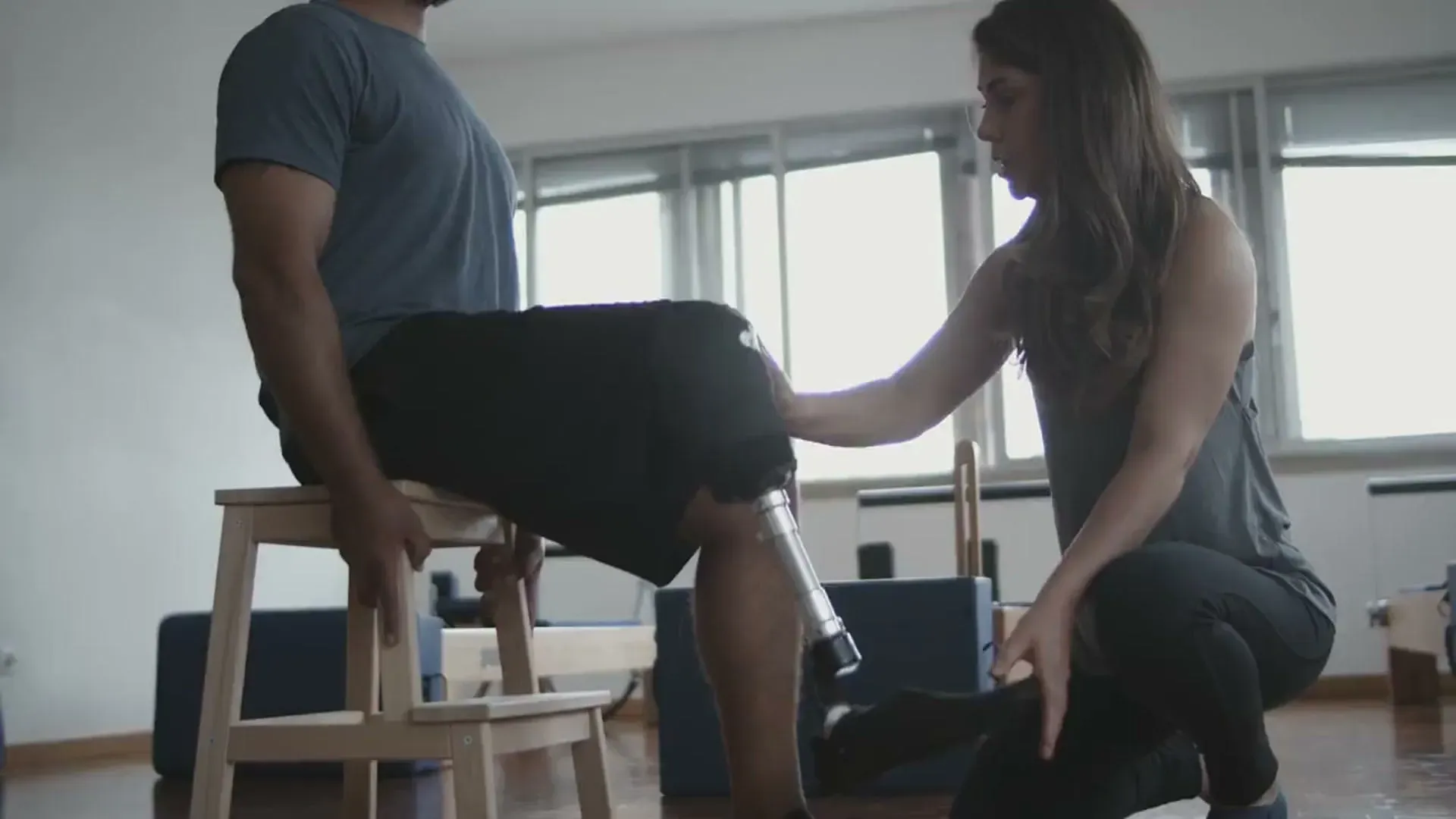
يُوفِّر برنامج إعادة التأهيل العصبي في مركز DCDC بمدينة دبي الصحية تأهيلاً للسكتة الدماغية وإصابات الدماغ والحالات العصبية التدريجية. يستخدم نهجنا القائم على أدلة تقنيات اللدونة العصبية لتعظيم التعافي الوظيفي واستعادة الاستقلالية.
تُؤثِّر الإصابات والأمراض العصبية على قدرة الدماغ على التحكم في الحركة والإحساس والإدراك والتواصل. السكتة الدماغية أكثر أسباب الإعاقة شيوعاً لدى البالغين عالمياً، والتأهيل الفوري هو العامل الأهم لتحديد النتائج الوظيفية على المدى البعيد.
برنامج إعادة التأهيل العصبي لدينا مبني على مبدأ أن الدماغ يمكنه إعادة تنظيم نفسه عبر اللدونة العصبية. حتى بعد الضرر الكبير من السكتة أو إصابة الدماغ، يمكن للدماغ تكوين مسارات عصبية جديدة وتعزيز الاتصالات الموجودة حين تُحفِّزه الممارسة المنظمة المتكررة والموجَّهة نحو المهمة.
اللدونة العصبية
تعافٍ عصبي مبني على الأدلة
بقيادة استشاري
طب تأهيل متخصص
متكامل
تصوير وفريق متخصص في الموقع
إعادة التأهيل العصبي في دبي: التعافي من السكتة الدماغية والتأهيل العصبي
تعافٍ عصبي مبني على الأدلة في مدينة دبي الصحية
يُوفِّر برنامج إعادة التأهيل العصبي في مركز DCDC بمدينة دبي الصحية تأهيلاً للسكتة الدماغية وإصابات الدماغ والحالات العصبية التدريجية. يستخدم نهجنا القائم على أدلة تقنيات اللدونة العصبية لتعظيم التعافي الوظيفي واستعادة الاستقلالية.
تُؤثِّر الإصابات والأمراض العصبية على قدرة الدماغ على التحكم في الحركة والإحساس والإدراك والتواصل. السكتة الدماغية أكثر أسباب الإعاقة شيوعاً لدى البالغين عالمياً، والتأهيل الفوري هو العامل الأهم لتحديد النتائج الوظيفية على المدى البعيد.
برنامج إعادة التأهيل العصبي لدينا مبني على مبدأ أن الدماغ يمكنه إعادة تنظيم نفسه عبر اللدونة العصبية. حتى بعد الضرر الكبير من السكتة أو إصابة الدماغ، يمكن للدماغ تكوين مسارات عصبية جديدة وتعزيز الاتصالات الموجودة حين تُحفِّزه الممارسة المنظمة المتكررة والموجَّهة نحو المهمة.

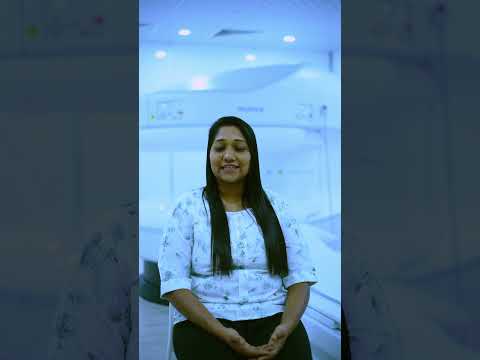
Shanika Rajasekara
استكشف خدماتنا
خدمات إعادة التأهيل العصبي الشاملة في مركز DCDC بمدينة دبي الطبية.

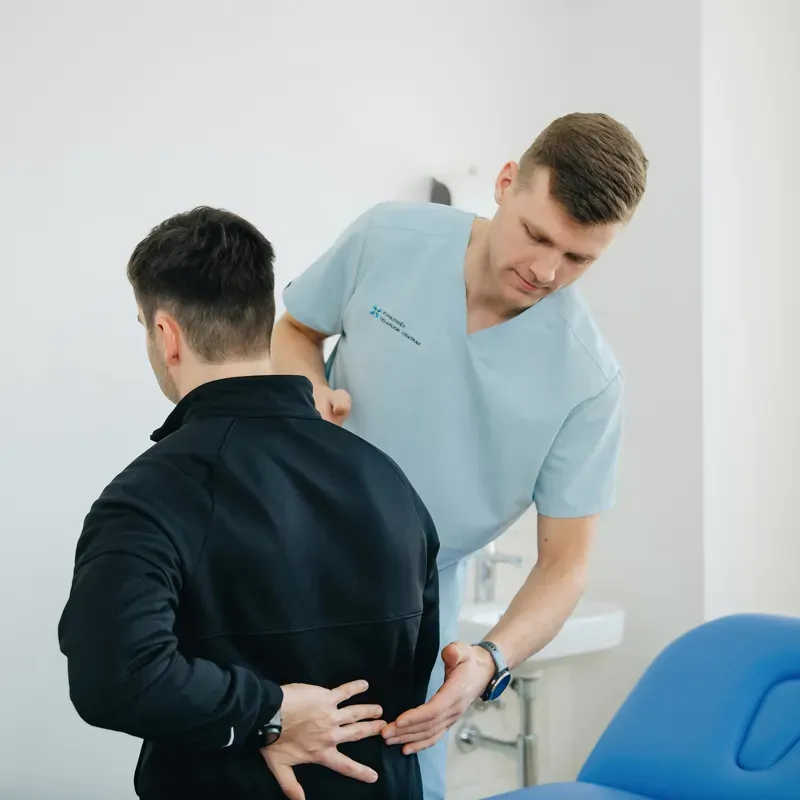
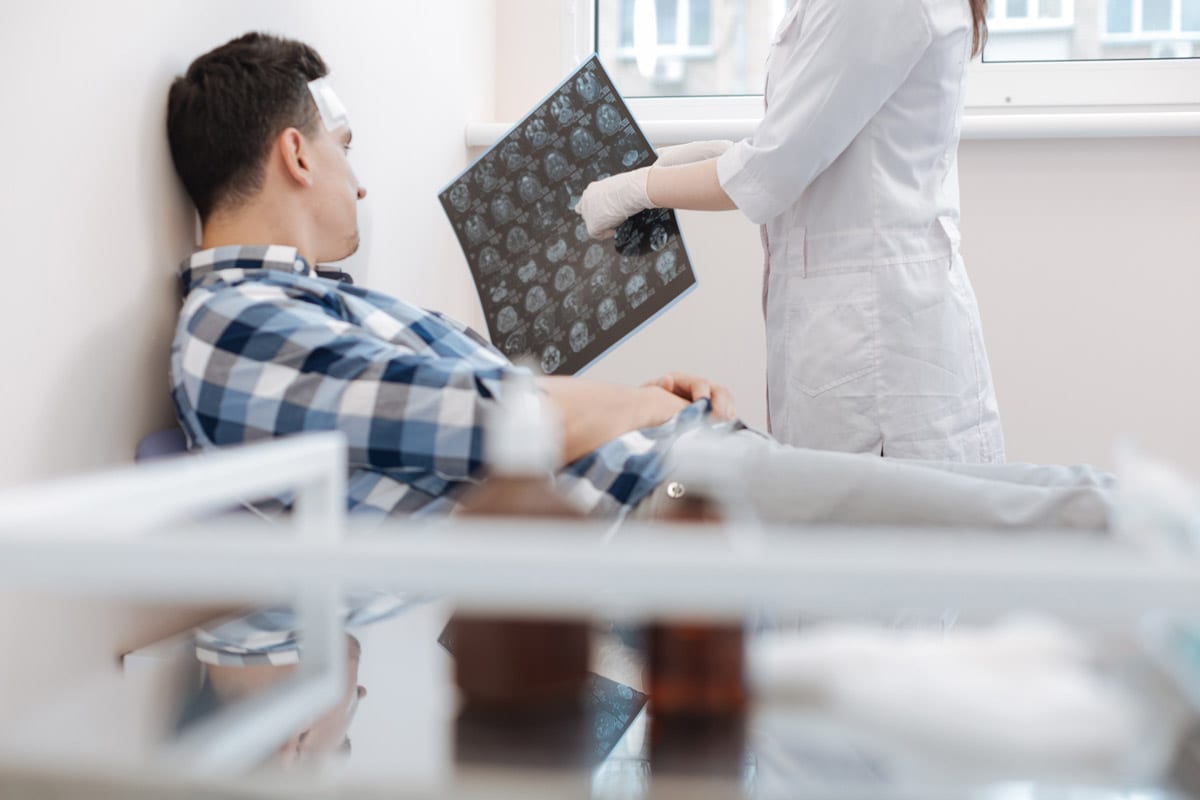
جميع الخدمات تقدم بواسطة متخصصين مرخصين من هيئة الصحة
من يجب أن يحصل على إعادة التأهيل العصبي؟
إعادة التأهيل العصبي ضرورية للمرضى المصابين بحالات عصبية تُؤثِّر على الحركة أو التوازن أو الإدراك أو الوظيفة اليومية.
التعافي من السكتة الدماغية (الإقفارية أو النزفية)
إصابة الدماغ الرضية في أي مرحلة من مراحل التعافي
مرض باركنسون مع صعوبات في الحركة أو التوازن
التصلب المتعدد مع التعب أو الضعف أو مشاكل التنسيق
اضطرابات التوازن والمشية من أسباب عصبية
التعافي بعد الجراحة العصبية
لماذا تختار DCDC لإعادة التأهيل العصبي؟
إعادة تأهيل عصبي مرخصة من MOHAP في عيادتنا بقيادة استشاريين وبرامج قائمة على اللدونة العصبية وتصوير متقدم في الموقع.
مرخص من MOHAP
مرفق مرخص في مدينة دبي الصحية بمعايير سريرية صارمة.
تركيز على اللدونة العصبية
تقنيات إعادة تعلم حركي وتكيف عصبي مبنية على الأدلة.
بقيادة استشاري
استشاري طب تأهيل بخبرة عصبية.
تصوير في الموقع
رنين مغناطيسي وCT للدماغ متاح للتقييم العصبي والمراقبة.
Multidisciplinary
Physical therapy, neurorehabilitation, and medical management coordinated.
DHCC Location
Building 64, Block A, DCDC. Accessible facilities and free parking.
زيارتك المريحة
عملية إعادة بسيطة خطوة بخطوة مصممة للراحة والسرعة والدقة.
رسوم إعادة التأهيل العصبي
تختلف أسعار إعادة في دبي حسب نوع الخدمة والتغطية التأمينية لـ أنواع الخدمات المختلفة.
- يختلف السعر حسب نوع الفحص وما إذا كان يتطلب صبغة
- تغطية التأمين مقبولة مع الإحالة والتحقق
- أسعار شفافة للدفع الذاتي متاحة مع عرض سعر فوري عند الطلب
التحقق من التأمين خلال دقائق • بدون رسوم مخفية • استجابة سريعة على واتساب
دليل المريض
ماذا تتوقع في إعادة التأهيل العصبي
تقييم شامل وخطة تأهيل مخصصة تليها جلسات منتظمة.
التأمين والموقع
شركاء التأمين
- •أكثر من 20 شركة تأمين في دبي بما في ذلك ضمان، أكسا، أدنيك وغيرها
- •دعم الموافقة المسبقة والفوترة المباشرة (حيثما ينطبق)
- •التحقق من التغطية قبل موعدك في عيادتنا بمدينة دبي الطبية
- •أسعار شفافة بدون رسوم مخفية لخدمات إعادة التأهيل العصبي





زرنا في مدينة دبي الطبية
مركز الأطباء التشخيصي
المبنى 64، البلوك أ، مجمع الرازي الطبي، مدينة دبي الطبية، دبي، الإمارات
قرب طريق عود ميثاء · سهولة الوصول من بر دبي، داون تاون دبي، الخليج التجاري · مواقف مجانية مخصصة متاحة
ساعات العمل
الإثنين-الخميس، السبت: 8 ص - 10:30 م | الأحد: 8:30 ص - 10:30 م | الجمعة: 9 ص - 10 م
كيف يعمل التأمين في DCDC
تحقق من التغطية
تحقق من أن خطتك تغطي إعادة التأهيل العصبي
احصل على إحالة
بعض شركات التأمين تتطلب إحالة من طبيب عام — يمكننا مساعدتك
الموافقة المسبقة
نتعامل مع الموافقة المسبقة مباشرة مع شركة التأمين
الفوترة المباشرة
لا دفع مقدم — نحن نفوتر شركة التأمين مباشرة
الدفع المشترك فقط
تدفع فقط أي مبلغ مشترك مطبق في العيادة
تحقق من التغطية
تحقق من أن خطتك تغطي إعادة التأهيل العصبي
احصل على إحالة
بعض شركات التأمين تتطلب إحالة من طبيب عام — يمكننا مساعدتك
الموافقة المسبقة
نتعامل مع الموافقة المسبقة مباشرة مع شركة التأمين
الفوترة المباشرة
لا دفع مقدم — نحن نفوتر شركة التأمين مباشرة
الدفع المشترك فقط
تدفع فقط أي مبلغ مشترك مطبق في العيادة
Your Specialist
Shanika Rajasekara
Physiotherapist
DHA-licensed Physiotherapist
English · Sinhala · Hindi
دليل المريض
فهم إعادة التأهيل العصبي
إعادة التأهيل العصبي التخصص الطبي المكرّس لاستعادة الوظيفة بعد الإصابة أو المرض الذي يؤثر على الدماغ والحبل الشوكي والجهاز العصبي الطرفي. على خلاف إعادة التأهيل العامة التي تركز على التعافي العضلي الهيكلي، يستهدف التأهيل العصبي التحديات الفريدة للضرر العصبي: اضطراب التحكم الحركي وتغيّر الإحساس وضعف الإدراك واختلال الوظيفة اللاإرادية. ويدمج هذا التخصص علم الأعصاب وطب التأهيل والعلوم السلوكية لتصميم برامج تعزز التعافي العصبي.
السكتة الدماغية أكثر الحالات المستوجبة لإعادة التأهيل العصبي شيوعاً والسبب الرئيسي للإعاقة طويلة الأمد لدى البالغين. تحدث السكتة حين ينقطع إمداد الدم إلى جزء من الدماغ (سكتة إقفارية) أو حين تنفجر وعاء دموي (سكتة نزفية)، مما يتسبب في موت خلايا الدماغ وفقدان الوظيفة في المناطق التي يتحكم بها النسيج المتضرر. يعتمد نمط الإعاقة على موقع الضرر ومداه: تسبب سكتات النصف الأيمن عادةً ضعفاً في الجانب الأيسر ومشاكل في الوعي المكاني، فيما تؤثر سكتات النصف الأيسر غالباً على الحركة اليمنى واللغة.
حجر الزاوية في التأهيل العصبي الحديث هو مبدأ اللدونة العصبية، أي قدرة الدماغ على إعادة تنظيم نفسه عبر تكوين اتصالات عصبية جديدة استجابةً للتعلم والخبرة. يُثبت البحث العلمي باستمرار أن الدماغ يحتفظ بقدرة ملحوظة على إعادة التشكيل طوال الحياة، وأن التدريب المنظم يمكنه تحفيز الدوائر العصبية الكامنة وتعزيز المسارات البديلة.
كثافة التأهيل محدد حاسم للنتائج. تُظهر الدراسات باستمرار علاقة جرعة-استجابة: يُنتج المزيد من العلاج نتائج أفضل. يشير الدليل الحالي إلى أن مرضى السكتة الدماغية يستفيدون من ما لا يقل عن ثلاث ساعات من التأهيل النشط يومياً خلال مرحلة التعافي الأولى. في DCDC، تُصمَّم برامج إعادة التأهيل العصبي لدينا لتحسين كثافة العلاج ضمن قدرات كل مريض الفردية.
الحالات العصبية التي نعالجها في التأهيل
التعافي من السكتة الدماغية
تأهيل شامل للسكتة الإقفارية والنزفية يشمل التعافي الحركي وإعادة تدريب المشية ووظيفة الطرف العلوي والكلام والبلع والعودة إلى الأنشطة اليومية.
إصابة الدماغ الرضية
تأهيل جسدي وإدراكي عقب إصابات الرأس يُعالج الحركة والتنسيق والذاكرة والانتباه والتغيرات السلوكية والاستقلالية الوظيفية.
مرض باركنسون
علاج مبني على التمارين يركز على تدريب المشية والتوازن وسعة الحركة والأداء ثنائي المهام والوقاية من السقوط مُصمَّم وفق مرحلة المرض.
التصلب المتعدد
إدارة الأعراض والحفاظ على الوظيفة لمعالجة التعب والتوازن والحركة والقوة والوظيفة الإدراكية خلال الفترات المستقرة.
اضطرابات الدهليز
تأهيل التوازن للتهاب العصب الدهليزي والدوار الوضعي الانتيابي الحميد وحالات الدهليز المركزية باستخدام تمارين التعوّد وتثبيت النظر وإعادة تدريب التوازن.
اعتلال الأعصاب الطرفية
تأهيل تلف الأعصاب المؤثر على وظيفة الأطراف يشمل إعادة التعليم الحسي والتقوية وتدريب التوازن والوقاية من السقوط.
مقالات ذات صلة
آلام الظهر: الأسباب والعلاج
فهم مناهج إدارة الألم وإعادة التأهيل لحالات العمود الفقري.
تضيق التجويف الجانبي والـ CT
كيف يعمل التصوير وإعادة التأهيل معاً لحالات العمود الفقري.
التعافي من إصابات الرياضة في دبي
دليل إعادة التأهيل المنظمة للتعافي من الإصابات في DCDC.
خدمات ذات صلة
استكشف خدمات التشخيص والاستشارات الأخرى المتوفرة في عيادتنا بمدينة دبي الطبية.
الأسئلة الشائعة
أسئلة شائعة حول إعادة التأهيل العصبي في دبي.
الأبحاث تُظهر أن البدء المبكر في التأهيل المنظم خلال أيام من السكتة الدماغية يُحقِّق أفضل نتائج وظيفية. حتى في المراحل المتأخرة، لا يزال الدماغ قادراً على التغيير والتحسن.
نعم. علاج حركة LSVT BIG وتقنيات تدريب الحركة تحسن الثبات واليقظة الحركية وتخفف التصلب وتُبطِّئ التراجع الوظيفي في مرض باركنسون.
عادةً 45-60 دقيقة لكل جلسة. مدة البرامج تتراوح من أسابيع إلى أشهر بناءً على طبيعة الحالة وأهداف التعافي.
لا. يُصمَّم البرنامج ليكون تدريجياً ومناسباً لقدراتك. قد تشعر بالإجهاد الجسدي والمعرفي في بادئ الأمر، وهو جزء طبيعي من عملية التعافي.
الحقائق الأساسية
المراجعة والإشراف الطبي
جميع الخدمات تقدم تحت إشراف متخصصين طبيين مرخصين في منشأتنا المعتمدة من وزارة الصحة.