

احجز موعدك
تقييمات موثقة من مرضى مركز الأطباء التشخيصي في دبي
تقييمات موثقة وقصص حقيقية من مرضى مدينة دبي الطبية
أنا راضية جداً عن هذه العيادة الطبية. أجريت أول فحص حمل لي هنا. كان السعر معقولاً والخدمة احترافية للغاية. كان أخصائي الأشعة مرحباً ولطيفاً وجعل التجربة رائعة.
أيزان توكمانبيتوفا
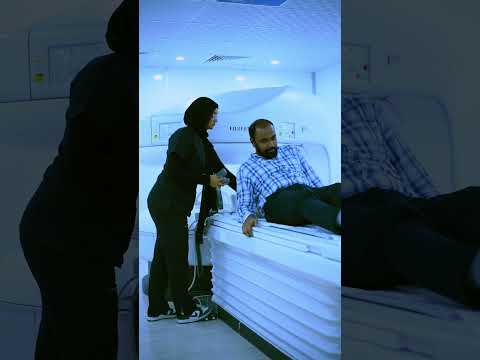
أصبت ركبتي ليلة الجمعة وحصلت على موعد للرنين المغناطيسي مساء الأحد (حجزت بعد ظهر الأحد). انتظرت حوالي دقيقتين وانتهيت في أكثر من 30 دقيقة بقليل. كان الفريق رائعاً وودوداً وفعالاً.
كيرستن إيفانز
كان فريق الدكتور أسامة لطيفاً ورائعاً. بعد تجربة سيئة في مكان آخر، كان فحص الحوض هنا أكثر احترافية بكثير. تقرير ممتاز ودقيق للغاية.
ماري




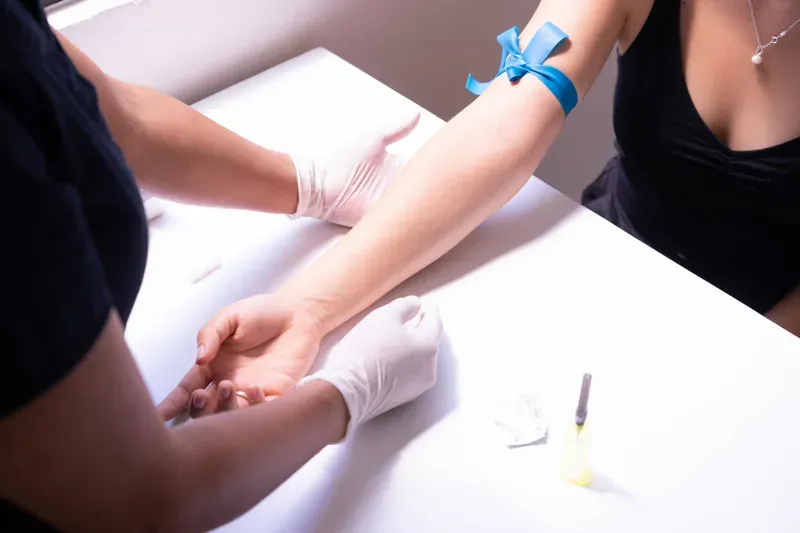
فحص الحمل بالدم (Beta-HCG) في دبي: كشف مبكر ودقيق
فحص Beta-HCG الكمي في الدم للتأكيد المبكر للحمل ومراقبة الحمل خارج الرحم وتقييم الحيوية
أبكر كشف
يكشف الحمل من 8-10 أيام بعد الإخصاب، قبل التأخر في الدورة
دقة كمية
مستوى HCG الدقيق لحساب وقت المضاعفة ومراقبة الحيوية
نتائج في اليوم ذاته
نتائج Beta-HCG كثيراً ما تكون متاحة في غضون ساعات من الجمع
مراقبة الحمل خارج الرحم
بروتوكول فحص متسلسل لكشف أنماط الانغراس غير الطبيعي مبكراً
فحص الحمل بالدم في دبي لقياس البيتا HCG (هرمون موجه الغدد التناسلية المشيمية البشري) هو الطريقة الأكثر حساسيةً ودقةً لتأكيد الحمل ومراقبة تطوره المبكر. يُفرَز الـHCG حصراً من خلايا الأرومة الغاذية للمشيمة النامية، ويمكن كشفه في الدم من 8-10 أيام بعد الإخصاب، أي قبل التأخر في الدورة الشهرية وقبل اختبار الحمل في البول بفارق ملحوظ. في DCDC بمدينة دبي الصحية، نُوفِّر فحص الحمل المبكر بالدم بنوعيه الكيفي والكمي، ما يُعطي ليس مجرد إجابة نعم أو لا بل قيمة عددية دقيقة يستخدمها طبيبك لتقييم قابلية الحمل وتقدمه والمضاعفات المحتملة.
التمييز الحرج بين فحص Beta-HCG الكيفي والكمي يكمن في الفائدة السريرية. الفحص الكيفي يُشير ببساطة إلى وجود HCG أو غيابه. أما الفحص الكمي فيقيس التركيز الدقيق بالوحدات الدولية الصغيرة لكل مليلتر (mIU/mL)، وهو ذو قيمة تشخيصية أكبر بكثير. في الحمل الرحمي الطبيعي، تتضاعف مستويات Beta-HCG تقريباً كل 48-72 ساعة خلال الثلث الأول، وهو نمط يُعرف بوقت مضاعفة الـHCG. القياسات الكمية المتسلسلة تُتيح لطبيبك تأكيد الارتفاع المناسب والكشف عن الأنماط غير الطبيعية التي تُشير للحمل خارج الرحم أو الإجهاض.
الحمل خارج الرحم حيث ينغرس البويضة المخصبة خارج الرحم، غالباً في قناة فالوب، هو طارئ يُهدِّد الحياة يُؤثِّر على نحو 1-2٪ من جميع حالات الحمل. في الحمل خارج الرحم، تتصاعد مستويات الـHCG عادةً لكن بمعدل دون الطبيعي، مخفقةً في التضاعف المناسب خلال 48 ساعة. هذا النمط غير الطبيعي يُحدَّد عبر القياسات الكمية المتسلسلة وهو من أبكر المؤشرات السريرية للتحقيق العاجل.
أبكر كشف
يكشف الحمل من 8-10 أيام بعد الإخصاب، قبل التأخر في الدورة
دقة كمية
مستوى HCG الدقيق لحساب وقت المضاعفة ومراقبة الحيوية
نتائج في اليوم ذاته
نتائج Beta-HCG كثيراً ما تكون متاحة في غضون ساعات من الجمع
مراقبة الحمل خارج الرحم
بروتوكول فحص متسلسل لكشف أنماط الانغراس غير الطبيعي مبكراً
فحص الحمل بالدم (Beta-HCG) في دبي: كشف مبكر ودقيق
فحص Beta-HCG الكمي في الدم للتأكيد المبكر للحمل ومراقبة الحمل خارج الرحم وتقييم الحيوية
فحص الحمل بالدم في دبي لقياس البيتا HCG (هرمون موجه الغدد التناسلية المشيمية البشري) هو الطريقة الأكثر حساسيةً ودقةً لتأكيد الحمل ومراقبة تطوره المبكر. يُفرَز الـHCG حصراً من خلايا الأرومة الغاذية للمشيمة النامية، ويمكن كشفه في الدم من 8-10 أيام بعد الإخصاب، أي قبل التأخر في الدورة الشهرية وقبل اختبار الحمل في البول بفارق ملحوظ. في DCDC بمدينة دبي الصحية، نُوفِّر فحص الحمل المبكر بالدم بنوعيه الكيفي والكمي، ما يُعطي ليس مجرد إجابة نعم أو لا بل قيمة عددية دقيقة يستخدمها طبيبك لتقييم قابلية الحمل وتقدمه والمضاعفات المحتملة.
التمييز الحرج بين فحص Beta-HCG الكيفي والكمي يكمن في الفائدة السريرية. الفحص الكيفي يُشير ببساطة إلى وجود HCG أو غيابه. أما الفحص الكمي فيقيس التركيز الدقيق بالوحدات الدولية الصغيرة لكل مليلتر (mIU/mL)، وهو ذو قيمة تشخيصية أكبر بكثير. في الحمل الرحمي الطبيعي، تتضاعف مستويات Beta-HCG تقريباً كل 48-72 ساعة خلال الثلث الأول، وهو نمط يُعرف بوقت مضاعفة الـHCG. القياسات الكمية المتسلسلة تُتيح لطبيبك تأكيد الارتفاع المناسب والكشف عن الأنماط غير الطبيعية التي تُشير للحمل خارج الرحم أو الإجهاض.
الحمل خارج الرحم حيث ينغرس البويضة المخصبة خارج الرحم، غالباً في قناة فالوب، هو طارئ يُهدِّد الحياة يُؤثِّر على نحو 1-2٪ من جميع حالات الحمل. في الحمل خارج الرحم، تتصاعد مستويات الـHCG عادةً لكن بمعدل دون الطبيعي، مخفقةً في التضاعف المناسب خلال 48 ساعة. هذا النمط غير الطبيعي يُحدَّد عبر القياسات الكمية المتسلسلة وهو من أبكر المؤشرات السريرية للتحقيق العاجل.
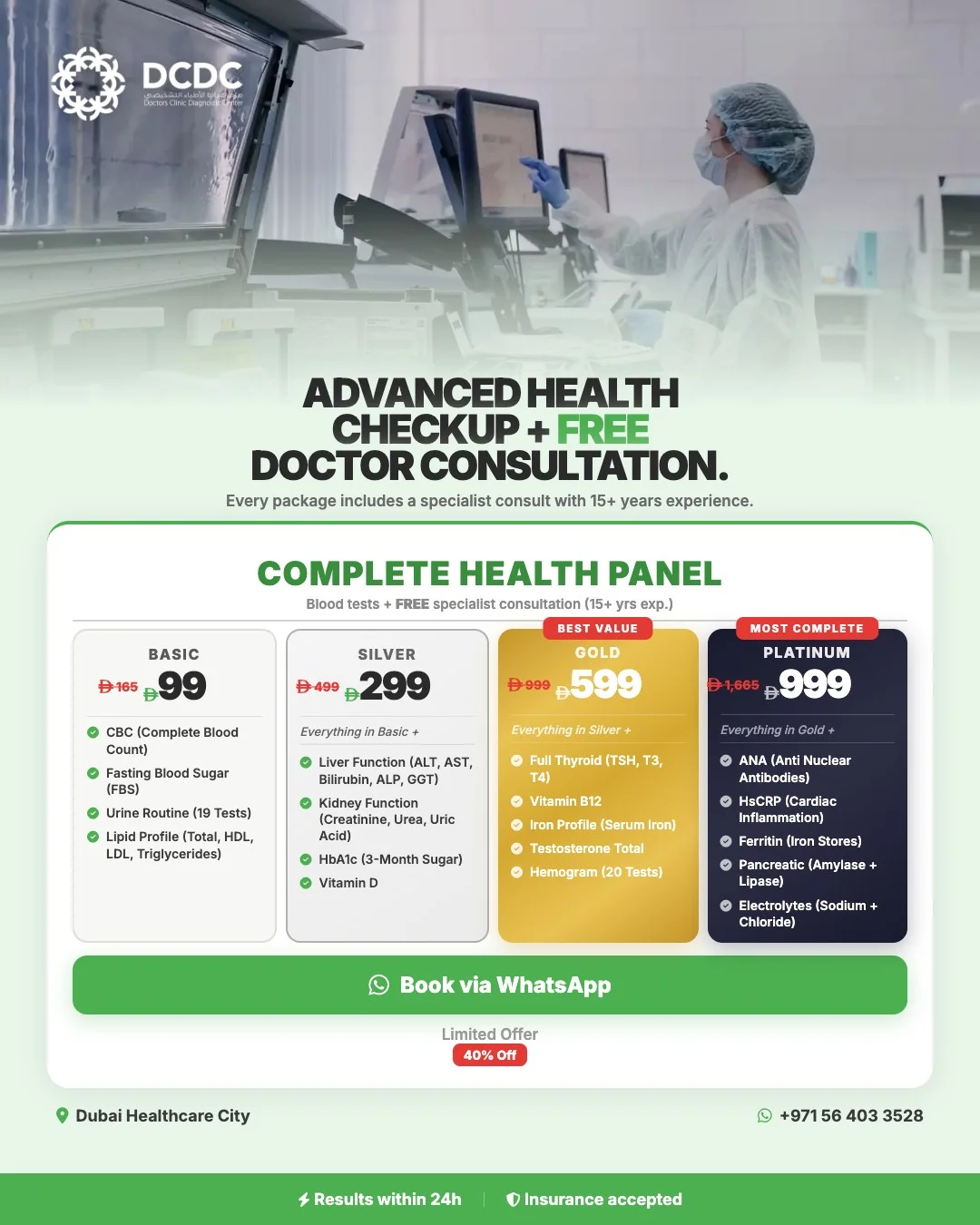
Complete Health Panel
Advanced health checkup with FREE specialist consultation. 4 tiers from basic blood work to full-body screening with 40+ biomarkers.
10–40+ tests included
What's Included
Who is this for?
Anyone wanting a comprehensive baseline health check with specialist consultation
استكشف خدماتنا
خدمات فحص الحمل بالدم (beta-hcg) الشاملة في مركز DCDC بمدينة دبي الطبية.
فحص الدم الشامل
لوحة دم ما قبل الولادة شاملاً فصيلة الدم والحصبة الألمانية وفحوصات الحديد.
تحاليل الدم
Comprehensive antenatal blood panel including blood group, rubella, and iron studies.
جميع الخدمات تقدم بواسطة متخصصين مرخصين من هيئة الصحة
من يجب أن يحصل على فحص الحمل بالدم (Beta-HCG)؟
يُوصى بفحص Beta-HCG الكمي في الدم لأي شخص يحتاج تأكيداً دقيقاً للحمل أو مراقبة الحيوية المبكرة أو التحقيق في مضاعفات الحمل.
النساء اللواتي يبحثن عن أبكر تأكيد ممكن للحمل قبل التأخر في الدورة
النساء اللواتي حصلن على نتيجة إيجابية في البول ويحتجن تأكيداً كمياً
المرضى الخاضعات لأطفال الأنابيب أو تقنيات التكاثر المساعدة الأخرى التي تستلزم مراقبة دقيقة لـHCG
النساء اللواتي يعانين من ألم في البطن أو الحوض في الحمل المبكر ويحتجن استبعاد الحمل خارج الرحم
النساء اللواتي يُعانين من نزيف غير مبرر في الثلث الأول
النساء اللواتي لديهن تاريخ من الحمل خارج الرحم ويحتجن مراقبة مبكرة يقظة
لماذا تختار DCDC لفحص الحمل بالدم في دبي؟
مختبر معتمد من MOHAP في مدينة دبي الصحية مع معدات فحص حساسة عالية ونتائج في اليوم ذاته.
تقنيات فحص دقيقة
منصة فحص مناعي عالية الحساسية معتمدة من MOHAP للكشف الدقيق عن مستويات الـHCG.
نتائج في اليوم ذاته
نتائج Beta-HCG كثيراً ما تصدر في غضون ساعات من جمع العينة.
مرفق مرخص من MOHAP
مختبر معتمد تشغله DCDC بموجب معايير صارمة لجودة المختبر.
فوترة تأمين مباشرة
نقبل الفوترة المباشرة مع أكثر من 20 شركة تأمين كبرى.
زيارتك المريحة
عملية فحص بسيطة خطوة بخطوة مصممة للراحة والسرعة والدقة.
تكلفة فحص الحمل بالدم في دبي
تختلف أسعار فحص في دبي حسب نوع الخدمة والتغطية التأمينية لـ أنواع الخدمات المختلفة.
- يختلف السعر حسب نوع الفحص وما إذا كان يتطلب صبغة
- تغطية التأمين مقبولة مع الإحالة والتحقق
- أسعار شفافة للدفع الذاتي متاحة مع عرض سعر فوري عند الطلب
التحقق من التأمين خلال دقائق • بدون رسوم مخفية • استجابة سريعة على واتساب
دليل المريض
تجربة فحص الحمل بالدم
سريع وسري ومُعالَج بعناية وحساسية.
التأمين والموقع
شركاء التأمين
- •أكثر من 20 شركة تأمين في دبي بما في ذلك ضمان، أكسا، أدنيك وغيرها
- •دعم الموافقة المسبقة والفوترة المباشرة (حيثما ينطبق)
- •التحقق من التغطية قبل موعدك في عيادتنا بمدينة دبي الطبية
- •أسعار شفافة بدون رسوم مخفية لخدمات فحص الحمل بالدم (beta-hcg)








زرنا في مدينة دبي الطبية
مركز الأطباء التشخيصي
المبنى 64، البلوك أ، مجمع الرازي الطبي، مدينة دبي الطبية، دبي، الإمارات
قرب طريق عود ميثاء · سهولة الوصول من بر دبي، داون تاون دبي، الخليج التجاري · مواقف مجانية مخصصة متاحة
ساعات العمل
الإثنين-الخميس، السبت: 8 ص - 10:30 م | الأحد: 8:30 ص - 10:30 م | الجمعة: 9 ص - 10 م
كيف يعمل التأمين في DCDC
تحقق من التغطية
تحقق من أن خطتك تغطي فحص الحمل بالدم (Beta-HCG)
احصل على إحالة
بعض شركات التأمين تتطلب إحالة من طبيب عام — يمكننا مساعدتك
الموافقة المسبقة
نتعامل مع الموافقة المسبقة مباشرة مع شركة التأمين
الفوترة المباشرة
لا دفع مقدم — نحن نفوتر شركة التأمين مباشرة
الدفع المشترك فقط
تدفع فقط أي مبلغ مشترك مطبق في العيادة
تحقق من التغطية
تحقق من أن خطتك تغطي فحص الحمل بالدم (Beta-HCG)
احصل على إحالة
بعض شركات التأمين تتطلب إحالة من طبيب عام — يمكننا مساعدتك
الموافقة المسبقة
نتعامل مع الموافقة المسبقة مباشرة مع شركة التأمين
الفوترة المباشرة
لا دفع مقدم — نحن نفوتر شركة التأمين مباشرة
الدفع المشترك فقط
تدفع فقط أي مبلغ مشترك مطبق في العيادة
Your Specialist

Dr. Hadi Komshi
Specialist Internal Medicine
MD, Specialist Internal Medicine
Persian · Arabic · English
دليل المريض
Understanding Beta-HCG and Early Pregnancy Monitoring
Human chorionic gonadotropin (HCG) is a glycoprotein hormone composed of alpha and beta subunits. The beta subunit is unique to HCG and is the target measured in pregnancy blood tests, as it does not cross-react with other pituitary hormones such as LH, FSH, and TSH that share the same alpha subunit. After fertilisation, HCG is produced first by the fertilised egg itself and then increasingly by the trophoblast cells that form the early placenta. Its primary role in early pregnancy is to signal the corpus luteum in the ovary to continue producing progesterone, maintaining the uterine lining and preventing menstruation until the placenta matures enough to produce progesterone independently at around 8 to 10 weeks.
Serial quantitative beta-HCG measurement is the most valuable clinical tool in early pregnancy surveillance. The established pattern of doubling every 48 to 72 hours serves as a benchmark against which actual measurements are compared to identify normal versus abnormal progression. When combined with transvaginal ultrasound, which can visualise the gestational sac from approximately 4.5 to 5 weeks and the embryonic heartbeat from 5.5 to 6 weeks, serial HCG provides a comprehensive picture of early pregnancy health. Understanding that HCG reference ranges overlap broadly between normal and abnormal pregnancies underscores why trend analysis over serial measurements is always more informative than any single value in isolation.
Pregnancy Conditions Monitored Through Beta-HCG Testing
Normal Intrauterine Pregnancy
Confirmed by appropriately rising beta-HCG with at least 53% increase every 48 hours, combined with intrauterine gestational sac on ultrasound above the discriminatory zone threshold.
Ectopic Pregnancy
Abnormal implantation outside the uterus causing subnormal HCG rise, a potentially life-threatening emergency requiring urgent intervention to prevent tubal rupture and haemorrhage.
Threatened Miscarriage
First-trimester bleeding with a live intrauterine pregnancy, monitored by serial HCG to distinguish from inevitable miscarriage; slow-rising or plateauing HCG with no heartbeat indicates poor prognosis.
Missed Miscarriage
Non-viable pregnancy retained in the uterus without expulsion, detected by declining or plateauing HCG levels combined with absent cardiac activity on ultrasound.
Molar Pregnancy (Hydatidiform Mole)
Abnormal conception producing markedly elevated HCG disproportionate to gestational age, requiring surgical evacuation and serial HCG monitoring to exclude gestational trophoblastic neoplasia.
Gestational Trophoblastic Disease
Persistent or rising HCG after molar pregnancy evacuation indicating trophoblastic neoplasia; HCG is the definitive tumour marker guiding chemotherapy dosing and response assessment.
خدمات ذات صلة
استكشف خدمات التشخيص والاستشارات الأخرى المتوفرة في عيادتنا بمدينة دبي الطبية.
الأسئلة الشائعة
أسئلة شائعة حول فحص الحمل بالدم (Beta-HCG) في دبي.
فحص Beta-HCG بالدم أكثر حساسيةً بشكل ملحوظ من فحص الحمل بالبول. يمكن لفحوصات الدم كشف مستويات HCG منخفضة تصل إلى 5 mIU/mL، مما يُتيح الكشف بعد 8-10 أيام من الإخصاب، قبل التأخر في الدورة. فحوصات البول عادةً لها عتبة كشف 20-50 mIU/mL وتستلزم الانتظار حتى قرب وقت التأخر. إضافةً لذلك، يُوفِّر فحص الدم الكمي تركيز HCG الدقيق بدلاً من نتيجة إيجابية أو سلبية فحسب.
في الحمل الرحمي الطبيعي تتضاعف تركيزات Beta-HCG تقريباً كل 48-72 ساعة خلال الأسابيع 8-10 الأولى من الحمل. هذا الارتفاع المتوقع يُؤكِّد انغراس الأرومة الغاذية بنجاح وتقدم الحمل بشكل طبيعي. الارتفاع الأبطأ، المُعرَّف عادةً بأقل من 53٪ ارتفاع خلال 48 ساعة، قد يُشير للحمل خارج الرحم أو الإجهاض المهدَّد أو غيره من المضاعفات. القياسات المتسلسلة على فترات 48 ساعة هي البروتوكول القياسي للمراقبة.
مستويات Beta-HCG تتفاوت تفاوتاً هائلاً في الحمل الطبيعي. أول فحص إيجابي قد يسجِّل في أي مكان من 10-500 mIU/mL بحسب المرحلة الدقيقة بعد الإخصاب. في الأسبوع الرابع من الحمل تتراوح المستويات عادةً 10-750 mIU/mL. في الأسبوع الخامس 200-7200 mIU/mL نموذجي. تبلغ المستويات الذروة حول الأسابيع 8-10 في نطاق 25700-288000 mIU/mL ثم تتراجع تدريجياً. المهم هو الاتجاه عبر القياسات المتسلسلة بالنسبة لعمر الحمل.
يُشتبه بالحمل خارج الرحم حين يخفق Beta-HCG في الارتفاع المناسب عبر قياسات 48 ساعة المتسلسلة. في الحمل الرحمي الطبيعي يرتفع HCG بنسبة 53-66٪ على الأقل كل 48 ساعة. في الحمل خارج الرحم يكون الارتفاع مكبوتاً عادةً. حين يُتجاوز عتبة المنطقة التمييزية (عادةً 1500-3500 mIU/mL) دون رؤية حمل رحمي بالموجات الصوتية المهبلية يُشتبه بقوة بالحمل خارج الرحم.
الحمل العنقودي (الشامة الهيداتيدية) حمل شاذ حيث تنتج بيضة مُخصَّبة بشكل خاطئ نمواً من الأنسجة المشيمية دون جنين قابل للحياة. يُميَّز بارتفاع ملحوظ في Beta-HCG، كثيراً ما يتجاوز 100,000 mIU/mL وأحياناً يصل لمئات الآلاف، مرتفعاً بشكل غير متناسب مع عمر الحمل. بعد الإزالة الجراحية، مراقبة Beta-HCG المتسلسلة ضرورية لتأكيد تراجع المستويات.
بعد الإجهاض الكامل تتراجع مستويات Beta-HCG وعادةً تعود لمستويات غير الحامل (أقل من 5 mIU/mL) في غضون 4-6 أسابيع، وإن كان الجدول الزمني الدقيق يعتمد على المستوى الذروي قبل الفقدان. مستويات توقفت أو ارتفعت مرةً أخرى تُشير لإجهاض غير كامل أو نادراً مرض الغاذية الحملي.
الحقائق الأساسية
المراجعة والإشراف الطبي
جميع الخدمات تقدم تحت إشراف متخصصين طبيين مرخصين في منشأتنا المعتمدة من وزارة الصحة.