
احجز موعدك
تقييمات موثقة من مرضى مركز الأطباء التشخيصي في دبي
تقييمات موثقة وقصص حقيقية من مرضى مدينة دبي الطبية
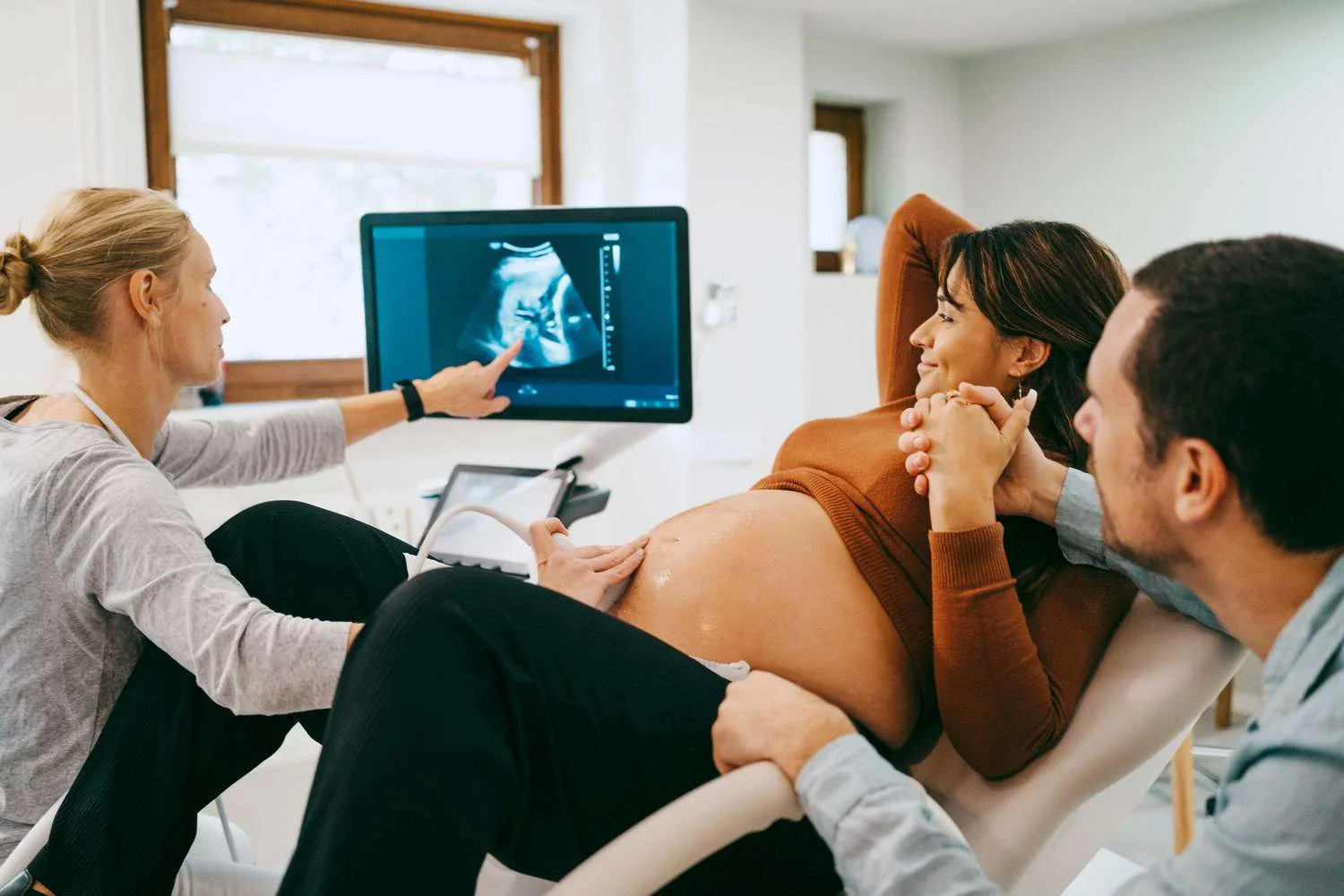
أنا راضية جداً عن هذه العيادة الطبية. أجريت أول فحص حمل لي هنا. كان السعر معقولاً والخدمة احترافية للغاية. كان أخصائي الأشعة مرحباً ولطيفاً وجعل التجربة رائعة.
أيزان توكمانبيتوفا
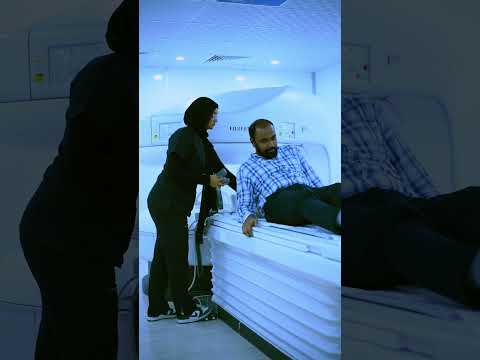
أصبت ركبتي ليلة الجمعة وحصلت على موعد للرنين المغناطيسي مساء الأحد (حجزت بعد ظهر الأحد). انتظرت حوالي دقيقتين وانتهيت في أكثر من 30 دقيقة بقليل. كان الفريق رائعاً وودوداً وفعالاً.
كيرستن إيفانز
كان فريق الدكتور أسامة لطيفاً ورائعاً. بعد تجربة سيئة في مكان آخر، كان فحص الحوض هنا أكثر احترافية بكثير. تقرير ممتاز ودقيق للغاية.
ماري

فحص الرحم والأنابيب في دبي: تقييم شامل لقنوات فالوب والرحم
تصوير الخصوبة بالمعيار الذهبي لتقييم سالكية الأنابيب وصحة الرحم
تقييم الأنابيب
يؤكد ما إذا كانت قنوات فالوب مفتوحة للحمل الطبيعي
تقييم الرحم
يحدد الأورام الليفية والأورام الحميدة أو التشوهات الهيكلية
إرشاد الخصوبة
فحص أساسي قبل التلقيح الصناعي أو أطفال الأنابيب أو علاجات الخصوبة الأخرى
نتائج سريعة
نتائج فورية مع تقرير مفصل خلال 24 ساعة
تصوير الرحم والأنابيب (HSG) هو إجراء الأشعة السينية بالمعيار الذهبي لفحص الرحم وقنوات فالوب. يتم حقن صبغة تباين بلطف عبر عنق الرحم، مما يسمح لأخصائيي الأشعة لدينا برؤية ما إذا كانت الأنابيب مفتوحة (سالكة) وما إذا كان تجويف الرحم طبيعي الشكل — وهي معلومات أساسية لرحلة الخصوبة الخاصة بك.
تمثل قنوات فالوب المسدودة ما يصل إلى 30% من حالات العقم عند النساء. يمكن لفحص HSG اكتشاف الانسدادات والندبات والالتصاقات أو التشوهات التي قد تمنع الحمل. كما يحدد الإجراء الأورام الليفية الرحمية والأورام الحميدة والحاجز أو غيرها من المشاكل الهيكلية التي قد تؤثر على الانغراس.
في مركز DCDC بمدينة دبي الطبية، يقوم أطباء النساء وأخصائيو الأشعة ذوو الخبرة بإجراء فحص HSG باستخدام تقنية لطيفة في بيئة مريحة وداعمة. يستغرق الإجراء 15-30 دقيقة فقط مع نتائج في نفس اليوم. تشير العديد من المريضات إلى زيادة الخصوبة في الأشهر التالية لفحص HSG حيث يمكن أن تساعد صبغة التباين في إزالة الانسدادات الطفيفة.
تقييم الأنابيب
يؤكد ما إذا كانت قنوات فالوب مفتوحة للحمل الطبيعي
تقييم الرحم
يحدد الأورام الليفية والأورام الحميدة أو التشوهات الهيكلية
إرشاد الخصوبة
فحص أساسي قبل التلقيح الصناعي أو أطفال الأنابيب أو علاجات الخصوبة الأخرى
نتائج سريعة
نتائج فورية مع تقرير مفصل خلال 24 ساعة
فحص الرحم والأنابيب في دبي: تقييم شامل لقنوات فالوب والرحم
تصوير الخصوبة بالمعيار الذهبي لتقييم سالكية الأنابيب وصحة الرحم
تصوير الرحم والأنابيب (HSG) هو إجراء الأشعة السينية بالمعيار الذهبي لفحص الرحم وقنوات فالوب. يتم حقن صبغة تباين بلطف عبر عنق الرحم، مما يسمح لأخصائيي الأشعة لدينا برؤية ما إذا كانت الأنابيب مفتوحة (سالكة) وما إذا كان تجويف الرحم طبيعي الشكل — وهي معلومات أساسية لرحلة الخصوبة الخاصة بك.
تمثل قنوات فالوب المسدودة ما يصل إلى 30% من حالات العقم عند النساء. يمكن لفحص HSG اكتشاف الانسدادات والندبات والالتصاقات أو التشوهات التي قد تمنع الحمل. كما يحدد الإجراء الأورام الليفية الرحمية والأورام الحميدة والحاجز أو غيرها من المشاكل الهيكلية التي قد تؤثر على الانغراس.
في مركز DCDC بمدينة دبي الطبية، يقوم أطباء النساء وأخصائيو الأشعة ذوو الخبرة بإجراء فحص HSG باستخدام تقنية لطيفة في بيئة مريحة وداعمة. يستغرق الإجراء 15-30 دقيقة فقط مع نتائج في نفس اليوم. تشير العديد من المريضات إلى زيادة الخصوبة في الأشهر التالية لفحص HSG حيث يمكن أن تساعد صبغة التباين في إزالة الانسدادات الطفيفة.
استكشف خدماتنا
خدمات فحص الرحم والأنابيب الشاملة في مركز DCDC بمدينة دبي الطبية.
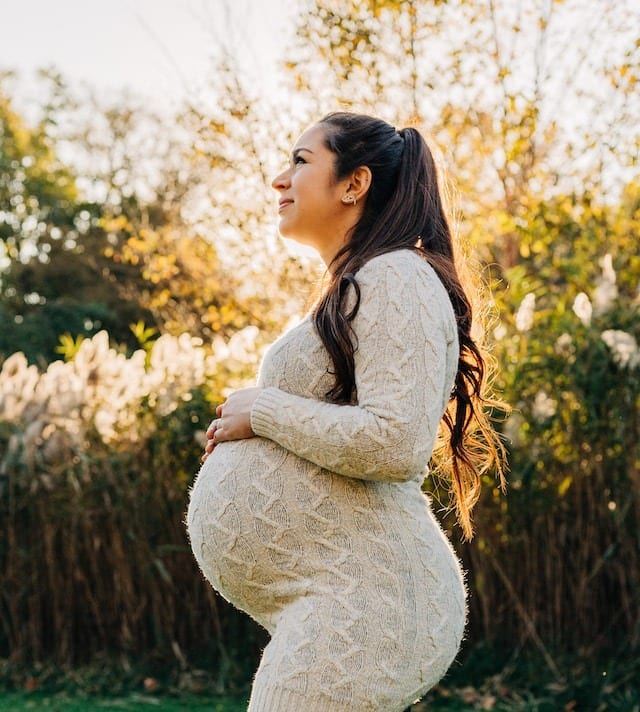
جميع الخدمات تقدم بواسطة متخصصين مرخصين من هيئة الصحة
من يحتاج فحص الرحم والأنابيب؟
يُوصى بفحص HSG للنساء اللواتي يخضعن لتقييم الخصوبة، خاصة اللواتي يحاولن الحمل دون نجاح. وهو فحص أساسي قبل بعض علاجات الخصوبة.
صعوبة في الحمل بعد 12 شهراً من المحاولة (6 أشهر إذا كان العمر فوق 35)
تاريخ من مرض التهاب الحوض أو العدوى المنقولة جنسياً
حمل سابق خارج الرحم أو جراحة في الأنابيب
قبل علاج التلقيح الصناعي داخل الرحم (IUI)
قبل أطفال الأنابيب (IVF) لتقييم تجويف الرحم
تاريخ من الإجهاض أو جراحة الرحم
لماذا تختار DCDC لفحص الرحم والأنابيب؟
مرخص من وزارة الصحة مع أطباء نساء ذوي خبرة وتقنية لطيفة ورعاية حانية لتقييم الخصوبة.
مرخص من وزارة الصحة
مركز تشخيصي معتمد في مدينة دبي الطبية. ترخيص NIMY7VY5-240925.
فريق متخصص
أطباء نساء وأخصائيو أشعة ذوو خبرة متخصصون في تصوير الخصوبة.
رعاية حانية
بيئة داعمة مع تقنية لطيفة لتقليل الانزعاج.
نتائج سريعة
مناقشة فورية للنتائج مع تقرير مفصل خلال 24 ساعة.
دعم التأمين
فوترة مباشرة مع أكثر من 20 شركة تأمين. نتولى الموافقة المسبقة نيابة عنك.
موقع مناسب
المبنى 64، البلوك أ في مدينة دبي الطبية. مواقف سيارات مجانية.
زيارتك المريحة
عملية فحص بسيطة خطوة بخطوة مصممة للراحة والسرعة والدقة.
أسعار فحص الرحم والأنابيب
تختلف أسعار فحص في دبي حسب نوع الخدمة والتغطية التأمينية لـ أنواع الخدمات المختلفة.
- يختلف السعر حسب نوع الفحص وما إذا كان يتطلب صبغة
- تغطية التأمين مقبولة مع الإحالة والتحقق
- أسعار شفافة للدفع الذاتي متاحة مع عرض سعر فوري عند الطلب
التحقق من التأمين خلال دقائق • بدون رسوم مخفية • استجابة سريعة على واتساب
دليل المريض
ماذا تتوقعين خلال فحص الرحم والأنابيب
إجراء قصير يوفر معلومات قيمة لرحلة الخصوبة الخاصة بك.
التأمين والموقع
شركاء التأمين
- •أكثر من 20 شركة تأمين في دبي بما في ذلك ضمان، أكسا، أدنيك وغيرها
- •دعم الموافقة المسبقة والفوترة المباشرة (حيثما ينطبق)
- •التحقق من التغطية قبل موعدك في عيادتنا بمدينة دبي الطبية
- •أسعار شفافة بدون رسوم مخفية لخدمات فحص الرحم والأنابيب (hsg)






زرنا في مدينة دبي الطبية
مركز الأطباء التشخيصي
المبنى 64، البلوك أ، مجمع الرازي الطبي، مدينة دبي الطبية، دبي، الإمارات
قرب طريق عود ميثاء · سهولة الوصول من بر دبي، داون تاون دبي، الخليج التجاري · مواقف مجانية مخصصة متاحة
ساعات العمل
الإثنين-الخميس، السبت: 8 ص - 10:30 م | الأحد: 8:30 ص - 10:30 م | الجمعة: 9 ص - 10 م
كيف يعمل التأمين في DCDC
تحقق من التغطية
تحقق من أن خطتك تغطي فحص الرحم والأنابيب (HSG)
احصل على إحالة
بعض شركات التأمين تتطلب إحالة من طبيب عام — يمكننا مساعدتك
الموافقة المسبقة
نتعامل مع الموافقة المسبقة مباشرة مع شركة التأمين
الفوترة المباشرة
لا دفع مقدم — نحن نفوتر شركة التأمين مباشرة
الدفع المشترك فقط
تدفع فقط أي مبلغ مشترك مطبق في العيادة
تحقق من التغطية
تحقق من أن خطتك تغطي فحص الرحم والأنابيب (HSG)
احصل على إحالة
بعض شركات التأمين تتطلب إحالة من طبيب عام — يمكننا مساعدتك
الموافقة المسبقة
نتعامل مع الموافقة المسبقة مباشرة مع شركة التأمين
الفوترة المباشرة
لا دفع مقدم — نحن نفوتر شركة التأمين مباشرة
الدفع المشترك فقط
تدفع فقط أي مبلغ مشترك مطبق في العيادة
Your Specialist
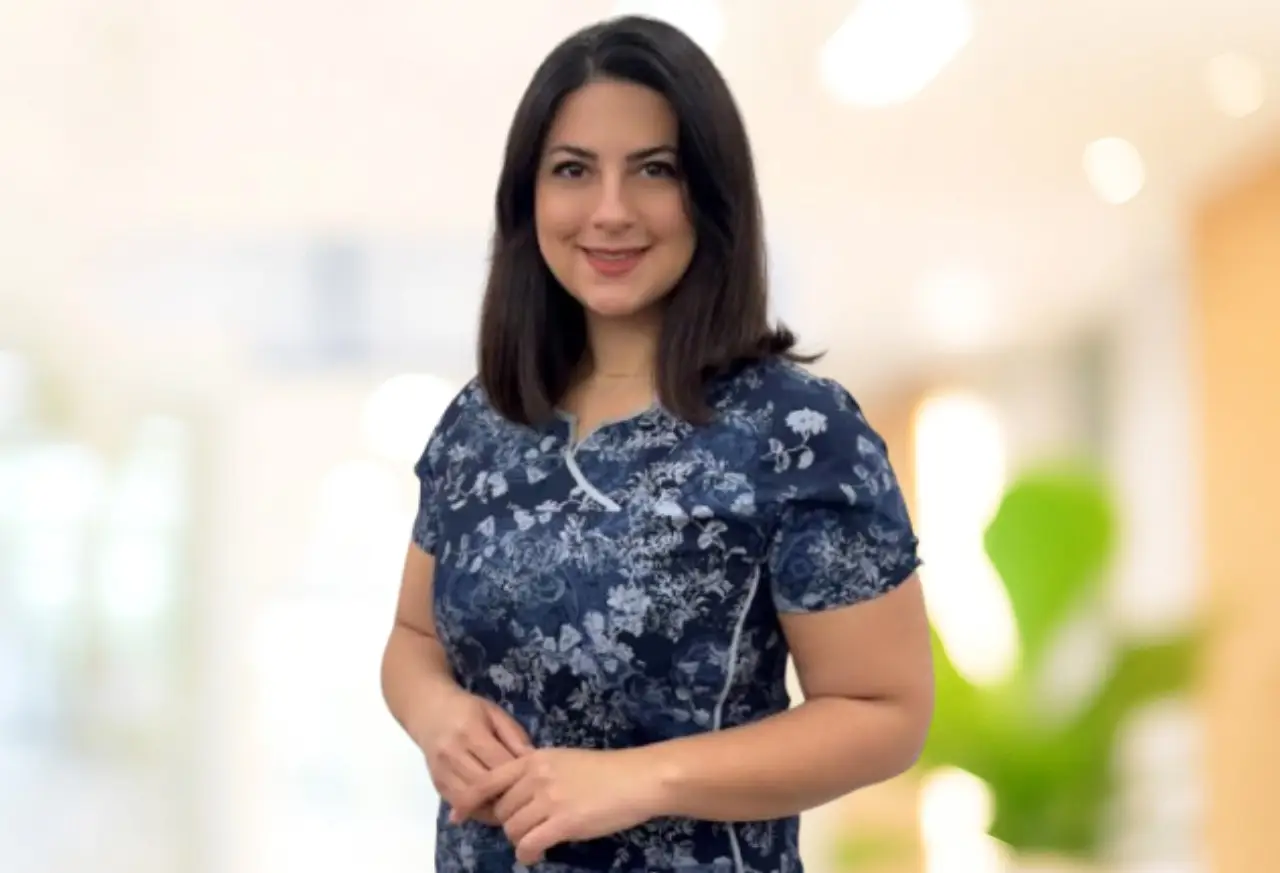
Dr. Parisa Dini
Specialist OB/GYN
MD, Specialist OB/GYN
English · Persian
دليل المريض
فهم تصوير الرحم والأنابيب (HSG): كيف يعمل الفحص
خلال فحص HSG، يُمرَّر قسطرة رفيعة بعناية عبر عنق الرحم وتُنفَّخ بالونة صغيرة لتثبيتها في مكانها. تُحقن مادة تباين معتمة للأشعة، غالباً محلول مائي قائم على اليود، ببطء فيما يراقب طبيب الأشعة تدفقها في الوقت الفعلي على شاشة التنظير الفلوري. مع امتلاء تجويف الرحم المثلثي بالصبغة، يصبح أي تشوه ناجم عن أورام ليفية أو سلائل أو التصاقات أو تشوهات خلقية مرئياً فوراً. ثم تنتقل الصبغة إلى قناتي فالوب، وإن كانتا سالكتين تتدفق بحرية من نهاياتهما الهدبية إلى التجويف البريتوني.
ثمة نوعان رئيسيان من مواد التباين المستخدمة في HSG: التباين المائي الذوبان والتباين الزيتي. يُستخدم التباين المائي أكثر نظراً لتحمّله الأفضل من قِبَل المريضات وسرعة امتصاصه. ارتبط التباين الزيتي بمعدلات حمل أعلى قليلاً في بعض الدراسات. سيوصي أخصائي الخصوبة بالخيار الأنسب بناءً على وضعك السريري.
لفحص HSG قيمة تشخيصية وعلاجية محتملة في آنٍ معاً. يمكن أن يُزيح ضغط حقن الصبغة أحياناً سدادات مخاطية صغيرة أو شوائب طفيفة داخل قناتي فالوب، مما قد يُفسِّر الارتفاع الملحوظ في معدلات الحمل في الأشهر التالية للإجراء. يوفر HSG تفاصيل ممتازة عن تجويف الأنبوب والرحم، غير أنه لا يُقيِّم المبيضين أو السطح الخارجي للأنابيب أو البنى الحوضية المحيطة. حين يكون التقييم الشامل ضرورياً، قد يوصي طبيبك بتنظير البطن أو الموجات فوق الصوتية الحوضية ثلاثية الأبعاد كفحوصات تكميلية.
الحالات المُشخَّصة بفحص الرحم والأنابيب
انسداد الأنابيب الثنائي
انسداد كامل لكلتا قناتي فالوب يمنع التقاء الحيوان المنوي والبويضة، وغالباً يكون ناجماً عن التهابات الحوض السابقة أو الانتباذ البطاني الرحمي.
انسداد أحد الأنابيب
انسداد في إحدى قناتي فالوب. الحمل الطبيعي لا يزال ممكناً عبر الأنبوب المفتوح، وإن كانت الخصوبة قد تتراجع.
استسقاء الأنبوب
قناة فالوب مسدودة ومملوءة بالسائل، تنجم عادةً عن مرض التهاب الحوض السابق. قد تستلزم علاجاً قبل أطفال الأنابيب.
التهاب البرزخ العقيدي
سماكة عقيدية في الجزء القريب من قناة فالوب يمكن أن تسبب انسداد الأنبوب وترتبط بالحمل خارج الرحم والعقم.
الأورام الليفية الرحمية (تحت المخاط)
نمو غير سرطاني يبرز داخل تجويف الرحم مما قد يتعارض مع انغراس الجنين ويسبب نزيفاً غير طبيعي.
السلائل البطانية الرحمية
نمو نسيجي على بطانة الرحم يمكن أن يعمل حاجزاً طبيعياً يمنع الحمل وقد يُسهم في الإجهاض المتكرر.
مقالات ذات صلة
الآثار الجانبية للـ HSG ودليل التعافي
ما تتوقعه بعد إجراء HSG، بما يشمل الآثار الجانبية الشائعة وجدول التعافي ومتى تتصل بطبيبك.
تكلفة فحص HSG في دبي
دليل لأسعار فحص HSG في دبي وخيارات تغطية التأمين والعوامل المؤثرة في التكلفة الإجمالية لتقييم الخصوبة.
الموجات فوق الصوتية للحوض للمرأة: دليل شامل
كل ما تحتاج معرفته عن الموجات فوق الصوتية للحوض، من التحضير إلى النتائج، وكيف تكمل HSG في تقييم الخصوبة.
خدمات التوليد وأمراض النساء في دبي
رعاية نسائية وتوليدية شاملة تشمل تقييم الخصوبة وإدارة الحمل وخدمات الصحة الإنجابية.
خدمات ذات صلة
استكشف خدمات التشخيص والاستشارات الأخرى المتوفرة في عيادتنا بمدينة دبي الطبية.
الأسئلة الشائعة
أسئلة شائعة حول فحص الرحم والأنابيب (HSG) في دبي.
تشعر معظم النساء بتشنجات خفيفة إلى متوسطة مشابهة لتشنجات الدورة الشهرية، خاصة عند مرور الصبغة عبر الأنابيب. تناول إيبوبروفين قبل ساعة يساعد. الانزعاج قصير ويستمر فقط أثناء الإجراء، ويستخدم فريقنا تقنية لطيفة لتقليل أي إزعاج.
حددي موعد فحص HSG بين اليوم 7-12 من دورتك الشهرية (اليوم 1 هو أول يوم في الدورة). هذا التوقيت يضمن عدم وجود حمل وانتهاء الدورة وأن بطانة الرحم رقيقة لجودة تصوير مثالية.
نعم، تُظهر الدراسات أن معدلات الحمل قد تزيد بنسبة تصل إلى 30% في الأشهر الثلاثة التالية لفحص HSG. قد تساعد صبغة التباين في إزالة الحطام أو المخاط الطفيف من الأنابيب، مما يحسن الخصوبة. تحمل العديد من مريضاتنا بشكل طبيعي خلال أشهر من فحص HSG.
إذا كان أحد الأنبوبين مفتوحاً، فلا يزال الحمل الطبيعي ممكناً حيث يتناوب التبويض بين المبيضين. إذا كان كلا الأنبوبين مسدودين، سيناقش طبيبك خيارات العلاج بما في ذلك جراحة الأنابيب أو المنظار أو أطفال الأنابيب (IVF) الذي يتجاوز الأنابيب تماماً.
يمكنك استئناف محاولة الحمل فوراً — حتى في نفس الدورة بعد فحص HSG. لا حاجة للانتظار. في الواقع، غالباً ما يوصي أخصائيو الخصوبة بمحاولة الحمل بنشاط خلال الأشهر الثلاثة بعد HSG عندما تكون معدلات الحمل أعلى.
تختلف أسعار فحص HSG في دبي. في DCDC، نقدم أسعاراً تنافسية مع تغطية تأمينية متاحة من خلال أكثر من 20 شركة تأمين بما في ذلك ضمان وأكسا وبوبا وسيغنا. تواصلوا معنا للاستفسار عن الأسعار الحالية والمساعدة في الموافقة المسبقة للتأمين.
نعم، تغطي معظم خطط التأمين الصحي في دبي فحص HSG كجزء من تقييم الخصوبة عند وجود إحالة من طبيب. نقدم فوترة مباشرة مع شركات التأمين الكبرى ونتولى الموافقة المسبقة نيابة عنك.
فحص HSG هو إجراء بالأشعة السينية يُظهر شكل الرحم وما إذا كانت الأنابيب مفتوحة. المنظار الرحمي يتضمن إدخال كاميرا في الرحم ويمكنه علاج المشاكل المكتشفة. عادةً ما يُجرى فحص HSG أولاً كفحص تشخيصي؛ وقد يتبعه المنظار الرحمي إذا تم اكتشاف تشوهات.
الحقائق الأساسية
المراجعة والإشراف الطبي
جميع الخدمات تقدم تحت إشراف متخصصين طبيين مرخصين في منشأتنا المعتمدة من وزارة الصحة.